London has escalated its hardline immigration posture by threatening sweeping visa bans against Eritrean nationals, citing persistent refusal by the East African nation's government to accept the return of failed asylum seekers and foreign national offenders. British Home Office officials outlined that current diplomatic channels have reached an impasse, forcing the government to consider aggressive punitive measures to enforce domestic immigration policies.
The proposed sanctions would restrict issuance of work, study, and visitor visas to Eritrean citizens, targeting diplomatic and bureaucratic pathways in an effort to compel cooperation from Asmara. Immigration ministers emphasized that maintaining a credible and functioning border control framework requires reciprocal agreements with countries of origin, particularly concerning individuals who have exhausted all legal avenues of appeal within the British judicial system.

Human rights organizations and refugee advocacy groups have expressed profound concern over the escalating diplomatic standoff, warning that blanket visa restrictions could disproportionately impact dissidents, students, and families with legitimate travel needs. Critics argue that penalizing ordinary citizens for the diplomatic positions of an authoritarian regime runs counter to humanitarian principles and international norms governing protection and mobility.
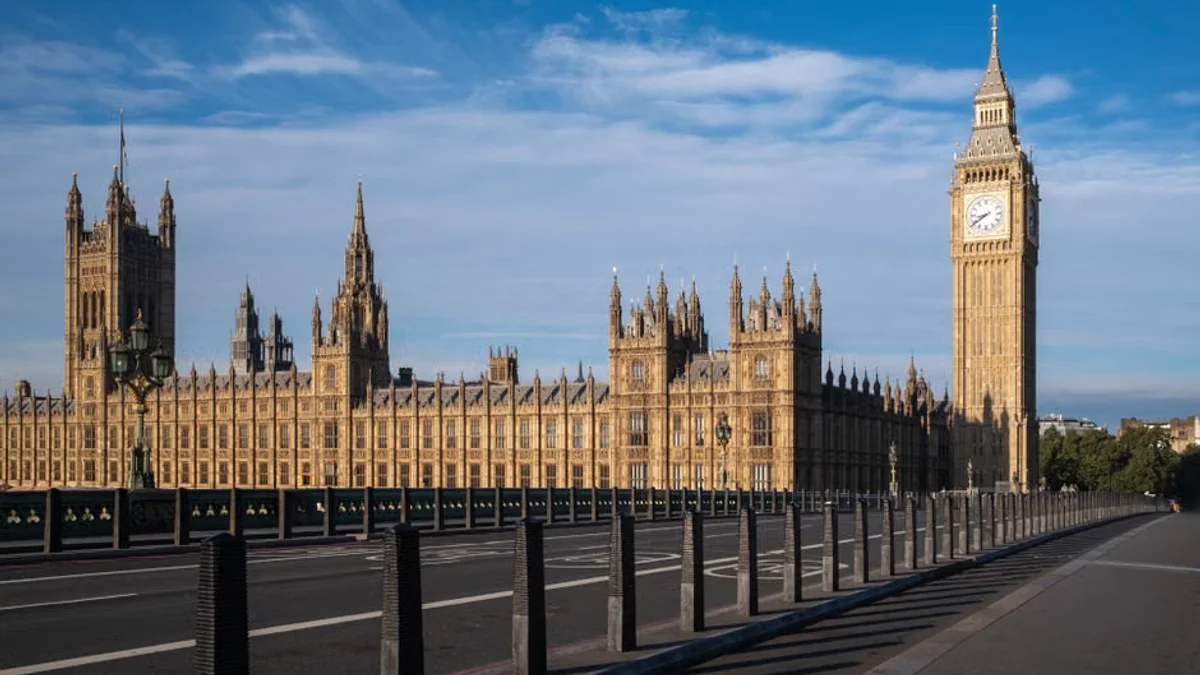
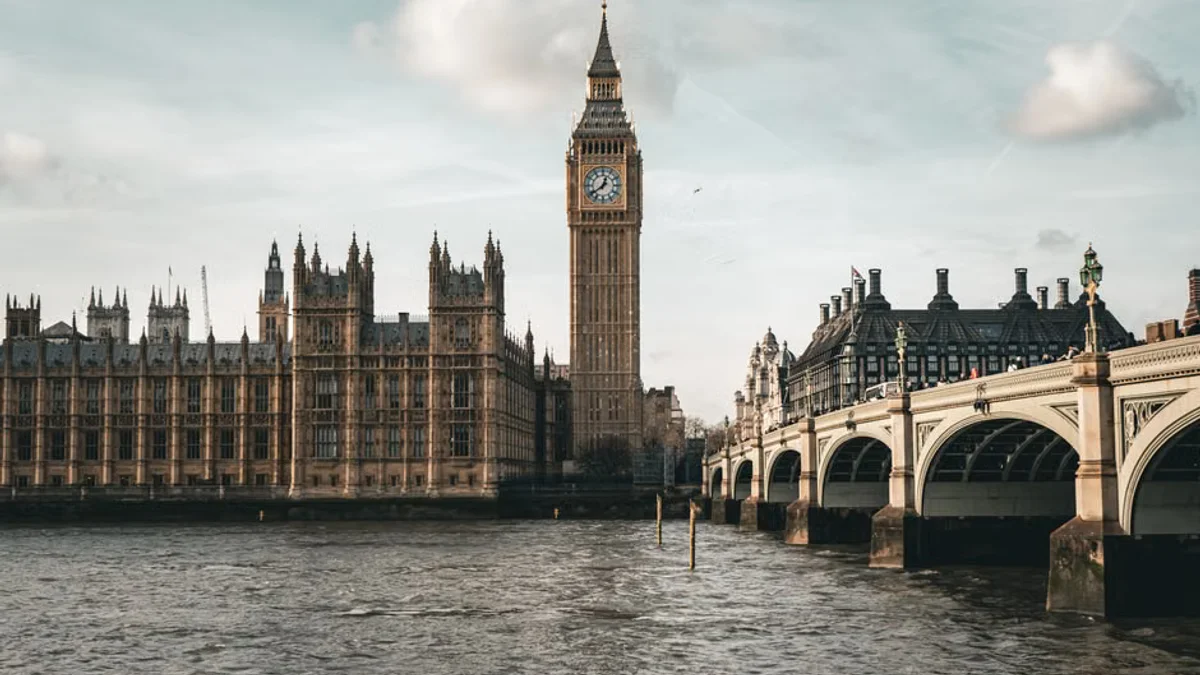
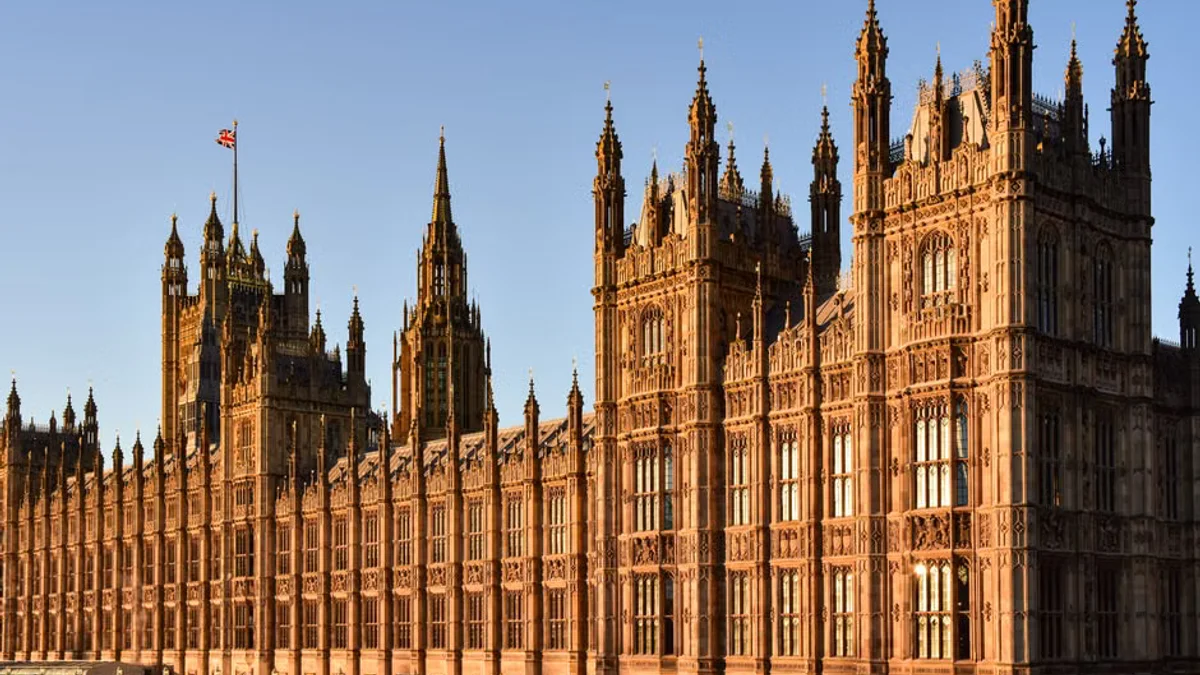
Despite the domestic criticism, government insiders maintain that public pressure to curb irregular migration and enforce swift deportations remains a paramount political priority. Parliamentary debates on the matter are expected to intensify in the coming days as lawmakers review the operational feasibility and diplomatic fallout of enacting the threatened sanctions against Eritrea.
Key Highlights
- British Home Office considers blanket visa bans on Eritrean nationals.
- Standoff centers on Asmara's refusal to accept deported failed asylum seekers.
- Human rights advocates criticize potential collective punishment of ordinary citizens.
- Political pressure mounts within UK parliament regarding stricter border enforcement.
This unfolding diplomatic clash highlights the broader global challenges nations face in balancing stringent domestic migration controls with international humanitarian obligations and diplomatic etiquette.