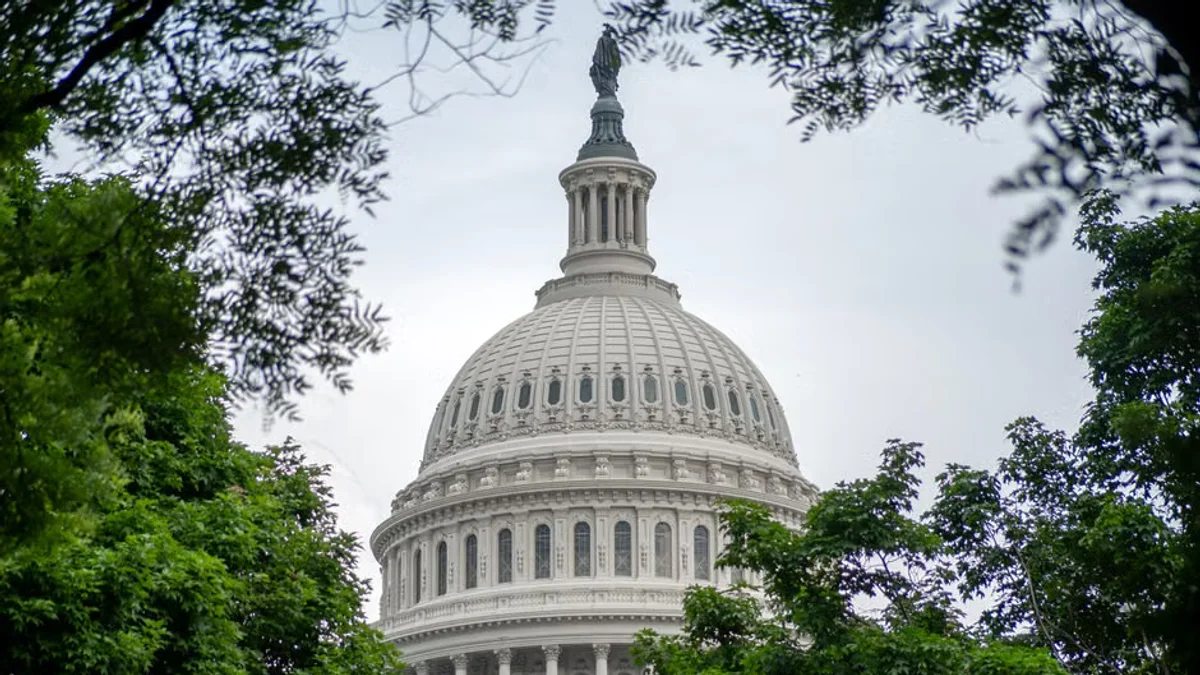
WASHINGTON — Capitol Hill is currently embroiled in intense debates regarding the implementation of new security protocols and legislative home search restrictions affecting federal lawmakers. The discussion, sparked by heightened concerns over political violence and targeted threats, has brought the intersection of public accountability and personal safety for elected officials into sharp focus.
Proponents of the updated measures argue that evolving threat landscapes necessitate enhanced protective frameworks for representatives and senators, regardless of party affiliation. Security experts have increasingly pointed to rising digital harassment translating into physical vulnerabilities, prompting institutional responses from congressional leadership and law enforcement agencies alike.
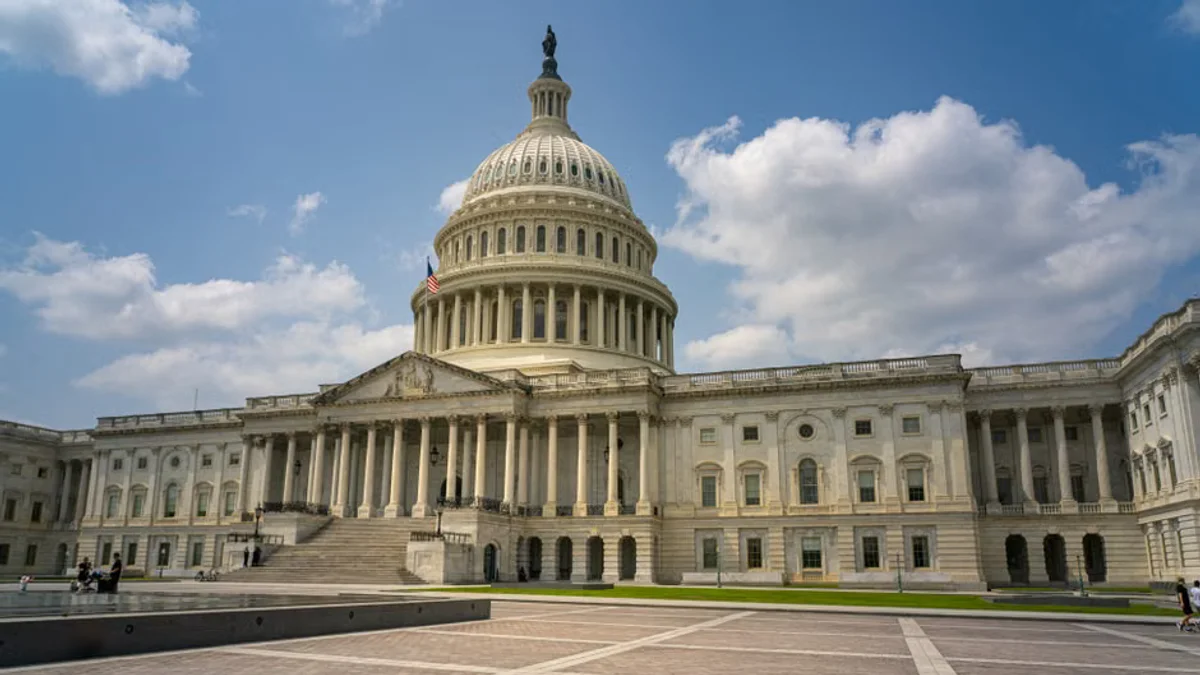
Conversely, civil liberties advocates and opposition lawmakers have raised critical questions regarding transparency, oversight, and the potential implications of restricted access. The debate underscores the delicate balance democratic institutions must maintain between ensuring the safety of lawmakers and preserving the open, accessible nature of representative government.
Key Highlights
- Congressional leaders review comprehensive security framework adjustments.
- Debate centers on balancing personal safety with institutional transparency.
- Law enforcement agencies coordinate closely with legislative sergeants-at-arms.

As legislative committees continue to review these policy adjustments, the broader implications for congressional operations and public engagement remain a central focus of national political discourse.