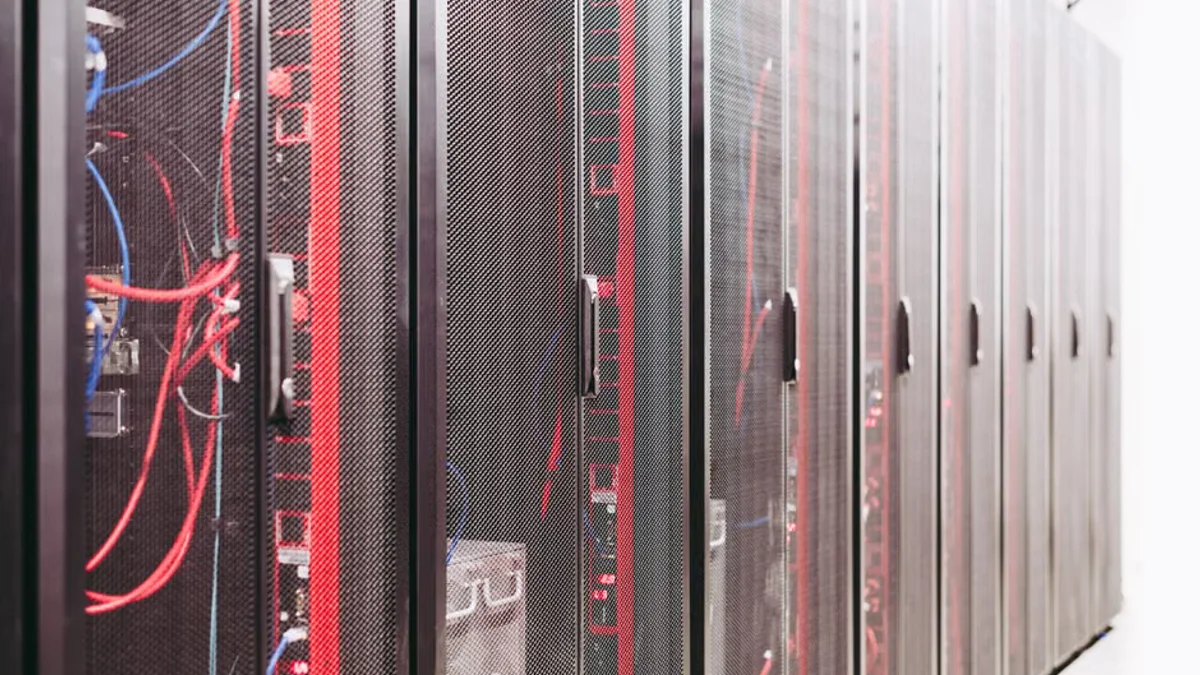
The unprecedented artificial intelligence infrastructure boom is facing its first major financial stress test. A notable market valuation slump experienced by specialized cloud provider CoreWeave has focused investor attention on the staggering financial leverage and debt obligations underpinning the expansion of data centers designed for large language model training.
CoreWeave, which has raised billions in debt financing backed by high-end Nvidia graphics processing units (GPUs), exemplifies a broader trend across the tech sector where startups and secondary cloud operators borrow heavily to secure scarce silicon. While demand for computing power remains exceptionally high, credit rating agencies and institutional investors are growing increasingly uneasy about the sustainability of revenue streams relative to escalating capital expenditure and interest expenses.

Industry analysts point out that if enterprise adoption of AI applications fails to generate immediate, high-margin returns, heavily leveraged infrastructure providers could face severe solvency challenges. The market correction serves as a sobering reminder that the capital-intensive foundation of the AI revolution is vulnerable to shifting credit conditions and macroeconomic headwinds.
Key Highlights
- CoreWeave’s recent market valuation slump highlights the financial risks inherent in AI infrastructure spending.
- Cloud providers are increasingly relying on massive debt financing to purchase high-end Nvidia GPUs.
- Investors are growing cautious about whether AI software revenues can justify massive capital expenditures.

As the artificial intelligence sector matures, balancing aggressive infrastructure expansion with prudent financial management will be critical to avoiding systemic credit shocks across tech markets.