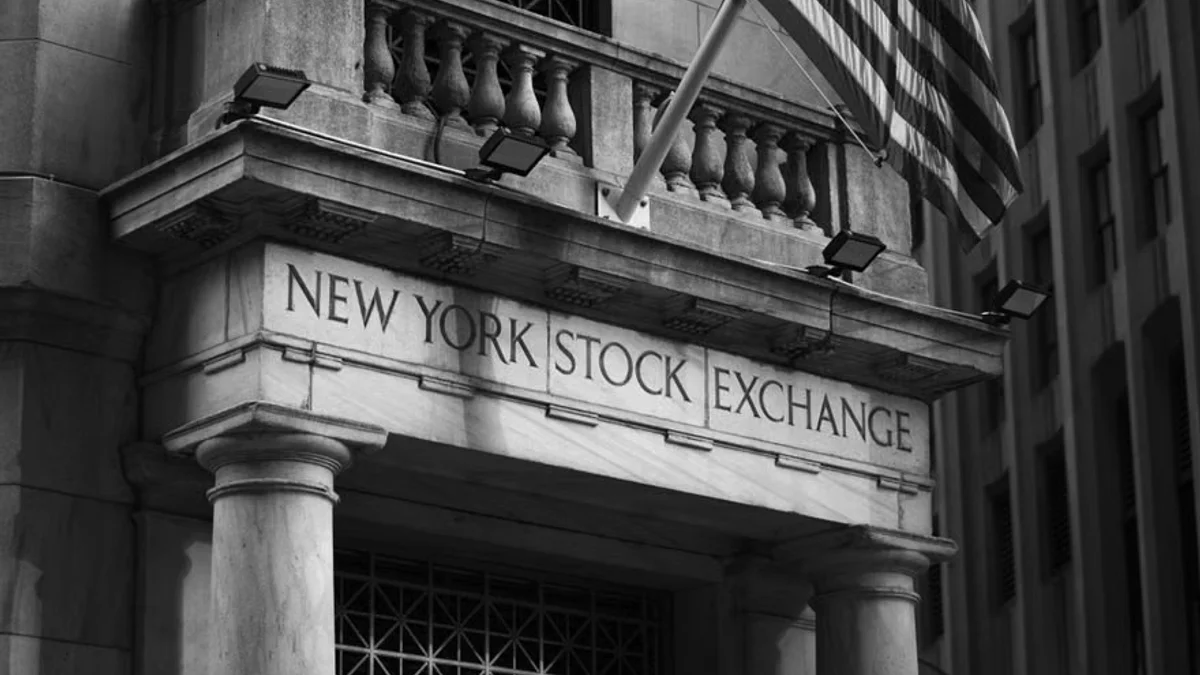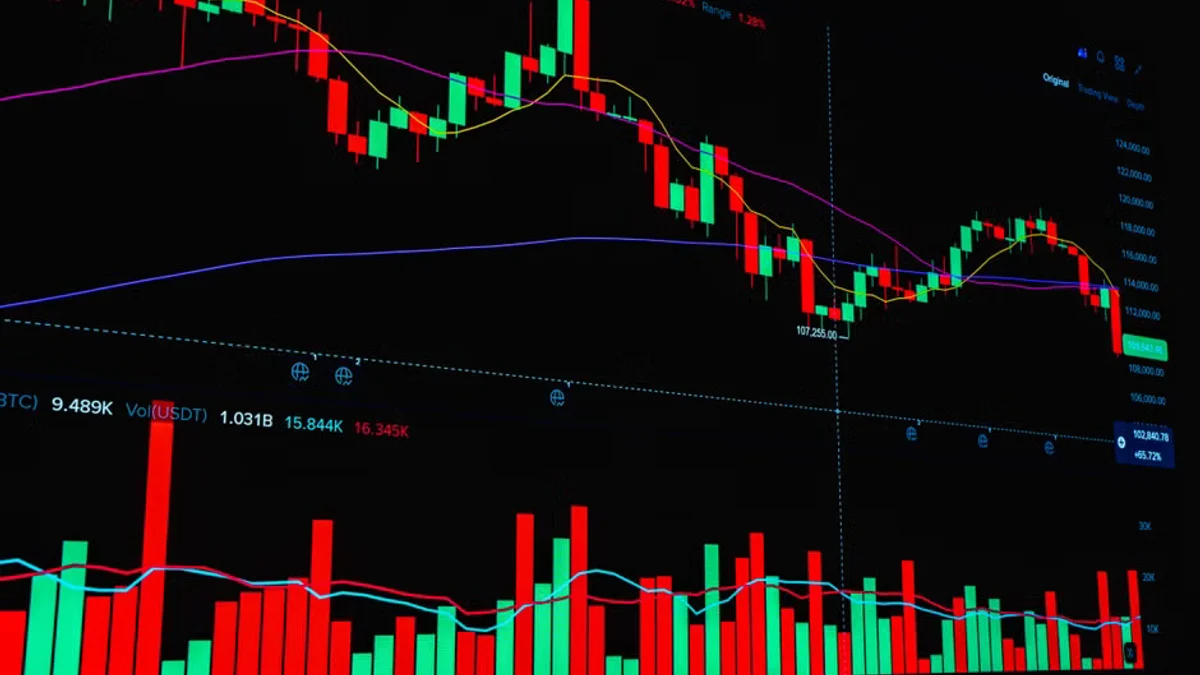
A palpable wave of anxiety is sweeping across Wall Street trading desks as prominent economists and market strategists warn that the U.S. economy may be significantly more fragile than headline indicators suggest. While recent employment and retail sales figures have defied predictions of an immediate downturn, underlying structural imbalances are drawing intense scrutiny.
Key financial institutions point to escalating corporate debt burdens, slowing consumer spending among middle- and lower-income households, and lingering inflationary pressures as core risk factors. Furthermore, uncertainty surrounding upcoming Federal Reserve interest rate adjustments has investors questioning whether the broader market is adequately priced for potential macroeconomic shocks.

Risk management teams across major hedge funds and investment banks are currently reallocating portfolios toward defensive assets, hedging against the possibility of a sudden economic contraction. Policymakers in Washington face mounting pressure to navigate fiscal policy carefully to avoid destabilizing fragile market confidence.
Key Highlights
- Wall Street raises alarm over hidden vulnerabilities in the U.S. economy.
- Corporate debt and consumer spending strains fuel investor caution.
- Markets hedge against potential macroeconomic volatility and rate shifts.
As economic indicators continue to send mixed signals, the coming quarters will prove critical in determining whether the U.S. economy can achieve a sustained, stable landing.