CJI Rejects Meeting Request from Opposition Leaders
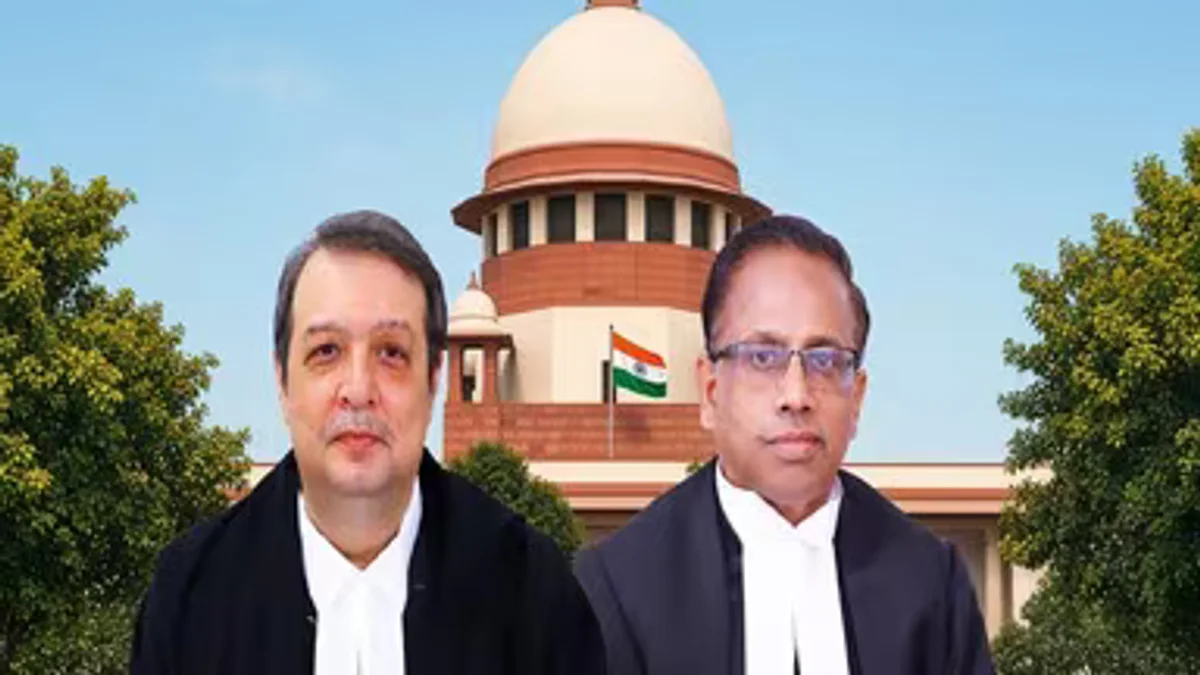
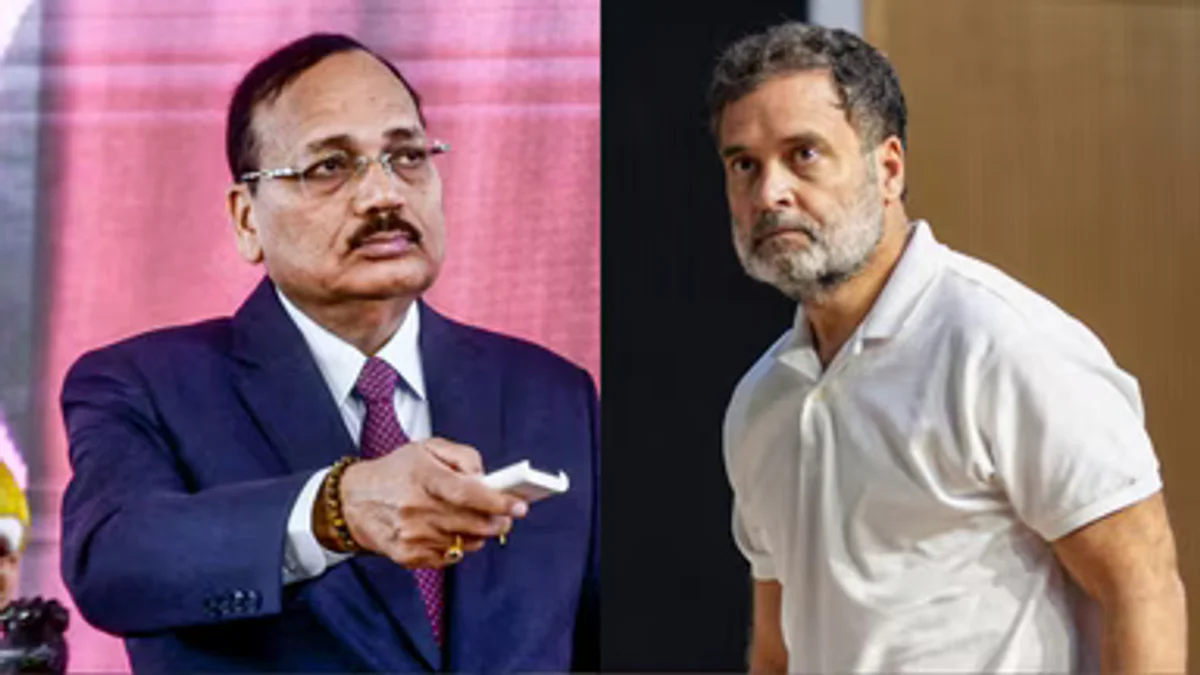
In a significant development concerning the intersection of politics and judiciary in India, Chief Justice of India (CJI) Justice Surya Kant has declined a meeting request from top leaders of the opposition 'INDIA' alliance. The CJI addressed a detailed response letter to Leader of Opposition in Lok Sabha, Rahul Gandhi, and Leader of Opposition in Rajya Sabha, Mallikarjun Kharge, making it clear that a formal meeting to discuss pending issues is not appropriate.
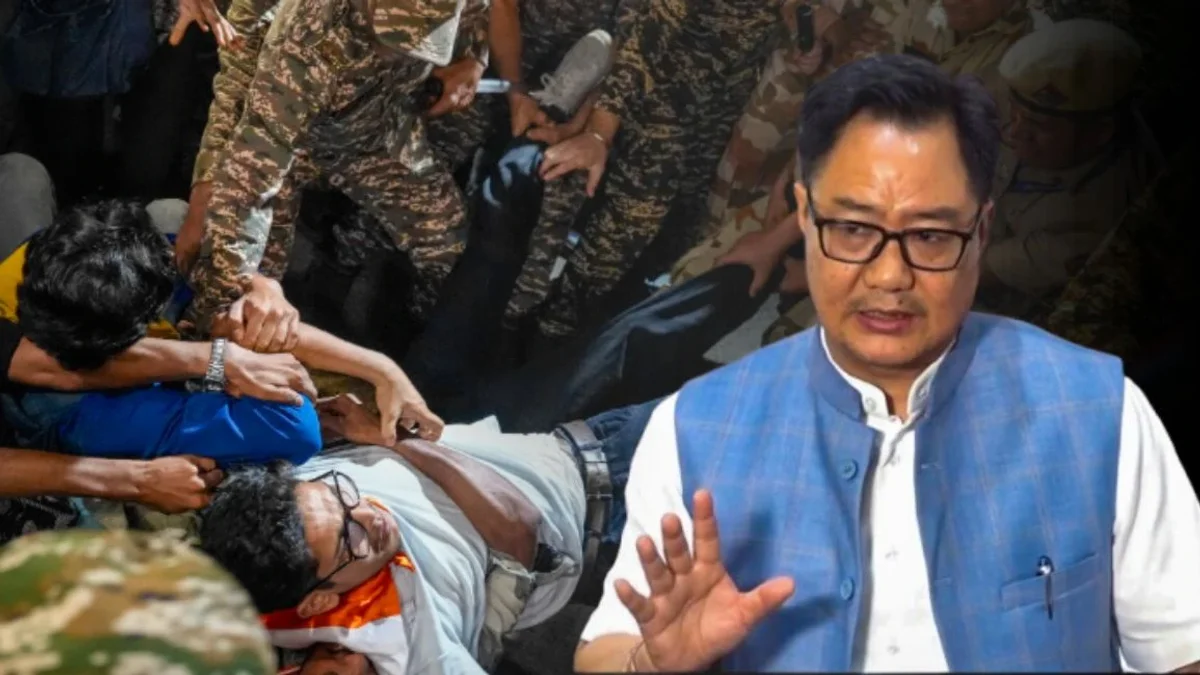
The opposition leaders had earlier written to the CJI, seeking an appointment to raise concerns regarding the Election Commission, arbitrary arrests of students, closure of metro stations, and cancellation of trains. However, the top court turned down the request, maintaining strict adherence to constitutional boundaries and institutional decorum.
Separation of Powers and Judicial Propriety
In his letter, Justice Surya Kant emphasized that the matters raised by the opposition leaders are already sub judice before the Supreme Court of India. He noted that holding discussions on pending cases outside the judicial framework would amount to a complete violation of the doctrine of separation of powers, which forms a core part of the basic structure of the Indian Constitution.

Legal experts have welcomed the clear stance, noting that maintaining institutional independence and avoiding direct administrative discussions on active litigation is vital for preserving public trust in the justice delivery system.
Recourse to Article 32 and E-Filing
Rather than granting a meeting, the CJI reminded the political leaders that the doors of the Supreme Court are open to every citizen under Article 32 of the Constitution. He advised them to file formal petitions through standard legal channels or e-filing rather than submitting memorandums. The court assured that any duly filed petitions would be taken up for hearing in accordance with the law at the earliest.
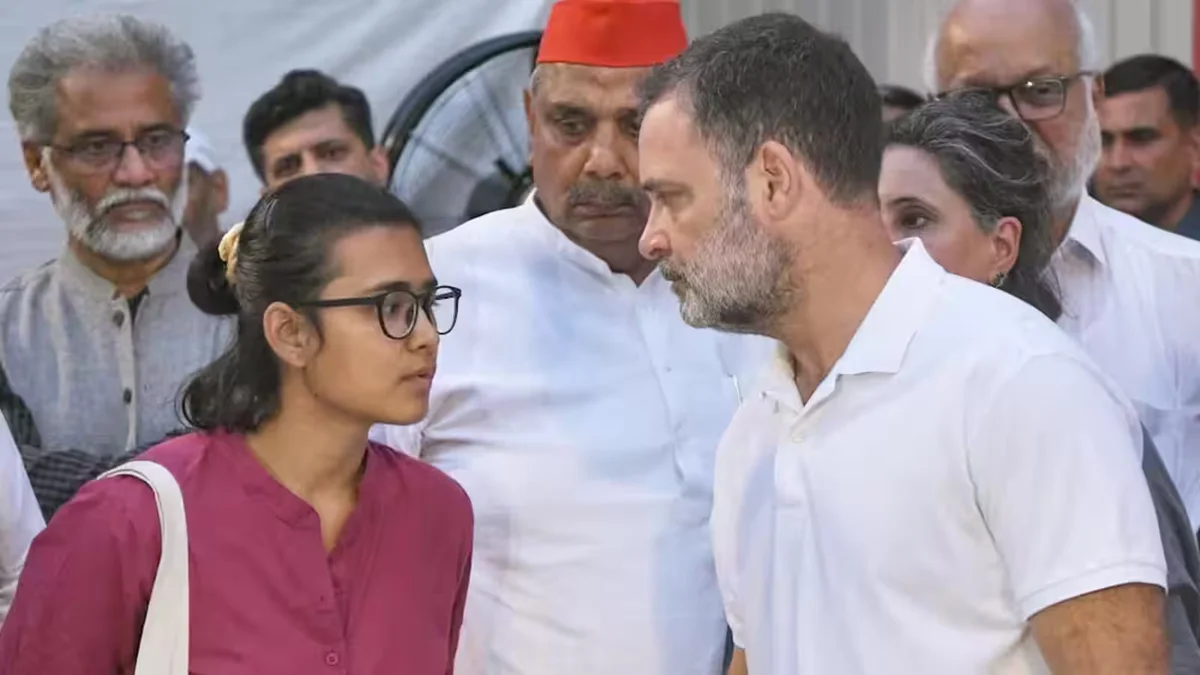
Despite the refusal, the opposition alliance remains firm on its protest plans, with leaders marching towards the apex court to voice their concerns over democratic rights and electoral integrity.