Donald Trump's Stance on Russian Energy Imports

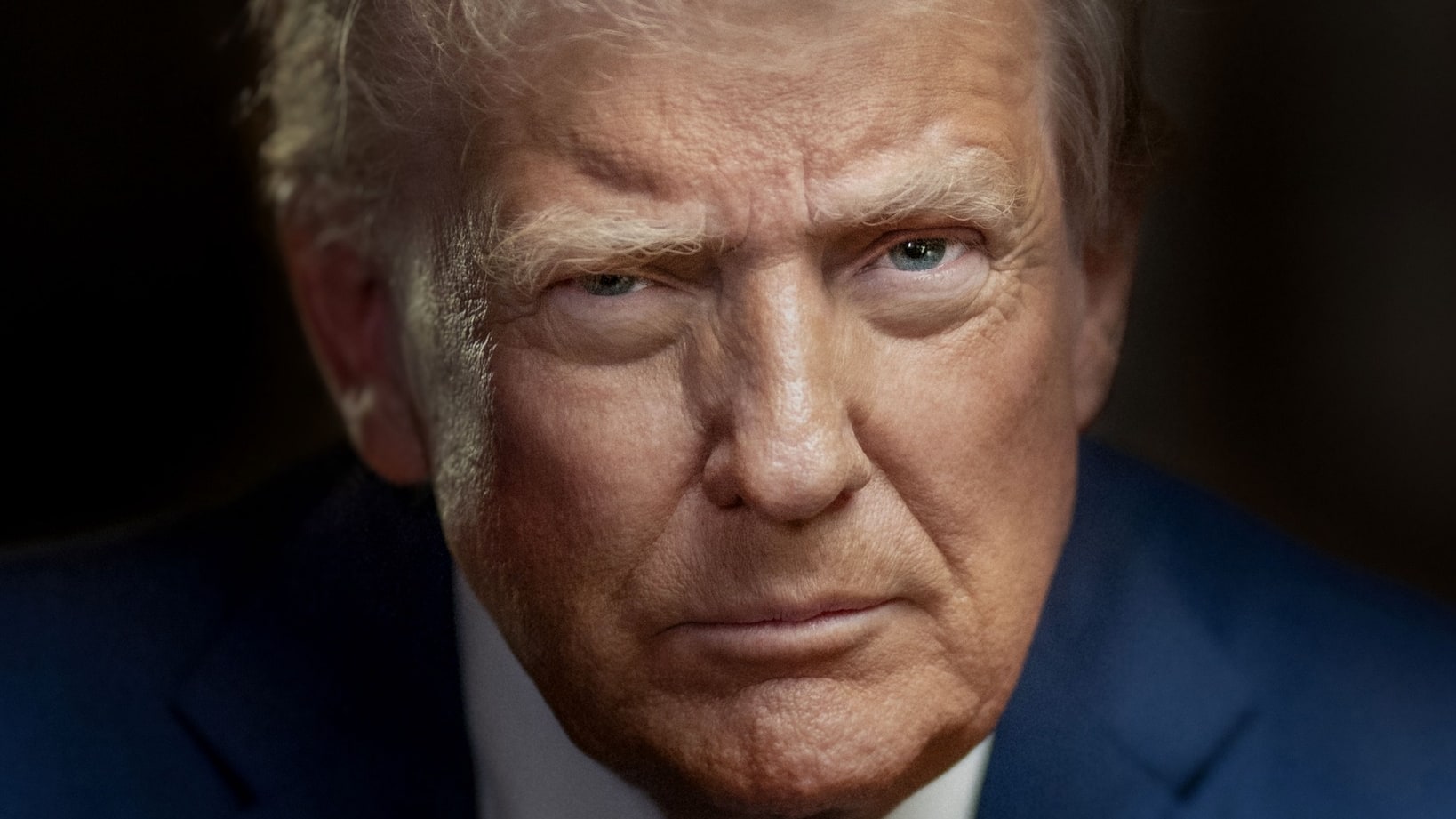
Recent statements by former US President Donald Trump regarding the purchase of diesel and oil from Russia have ignited fresh political and economic debates on the international stage. Analysts suggest that energy supplies from Russia remain a critical component of global economic stability, despite ongoing Western sanctions. Trump's arguments often emphasize practical energy management to protect domestic consumers from surging fuel costs, even if it requires navigating complex geopolitical maneuvers.
Critics, however, argue that such positions undermine the effectiveness of international sanctions designed to curb Moscow's economic power. The ongoing discourse highlights the deep friction between maintaining strict geopolitical opposition and ensuring uninterrupted global energy flows.
The Realities of Global Energy Markets and Sanctions
As one of the world's leading energy producers, Russia continues to influence global markets despite stringent Western measures. Alternative supply chains and indirect trade routes have kept Russian fuel flowing to various parts of the world. Energy experts point out that a complete cessation of Russian energy exports would trigger catastrophic price spikes, severely impacting everyday consumers worldwide.
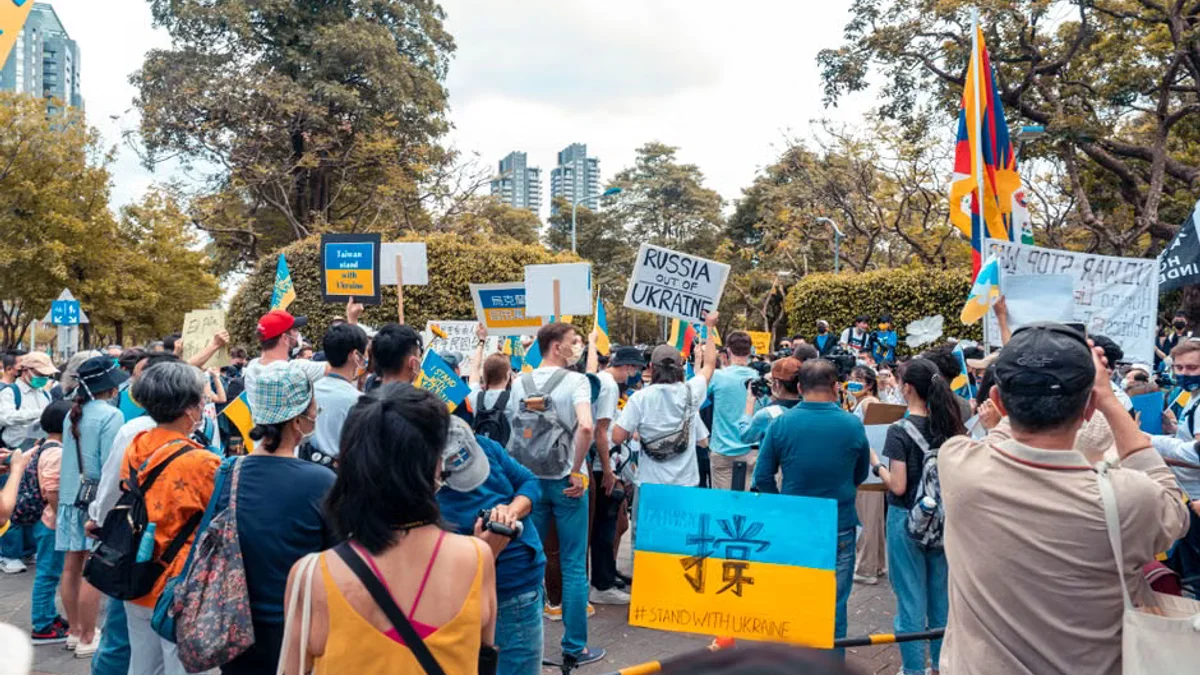
This economic reality forces political leaders to balance rhetorical pressure with pragmatic policy decisions. While sanctions aim to isolate Moscow, the sheer volume of global demand ensures that energy security remains a top priority for major economies.
Diplomatic Challenges Surrounding the Ukraine Conflict
Discussions regarding a peaceful resolution to the Russia-Ukraine war remain deeply polarized. Trump has repeatedly asserted his ability to negotiate a swift end to the conflict, drawing both support and skepticism. Western allies maintain that any lasting peace must respect Ukraine's territorial integrity, making a quick diplomatic breakthrough highly challenging.
As international stakeholders continue to assess future policy directions, the intersection of energy trade and geopolitical strategy remains a central theme in global politics.