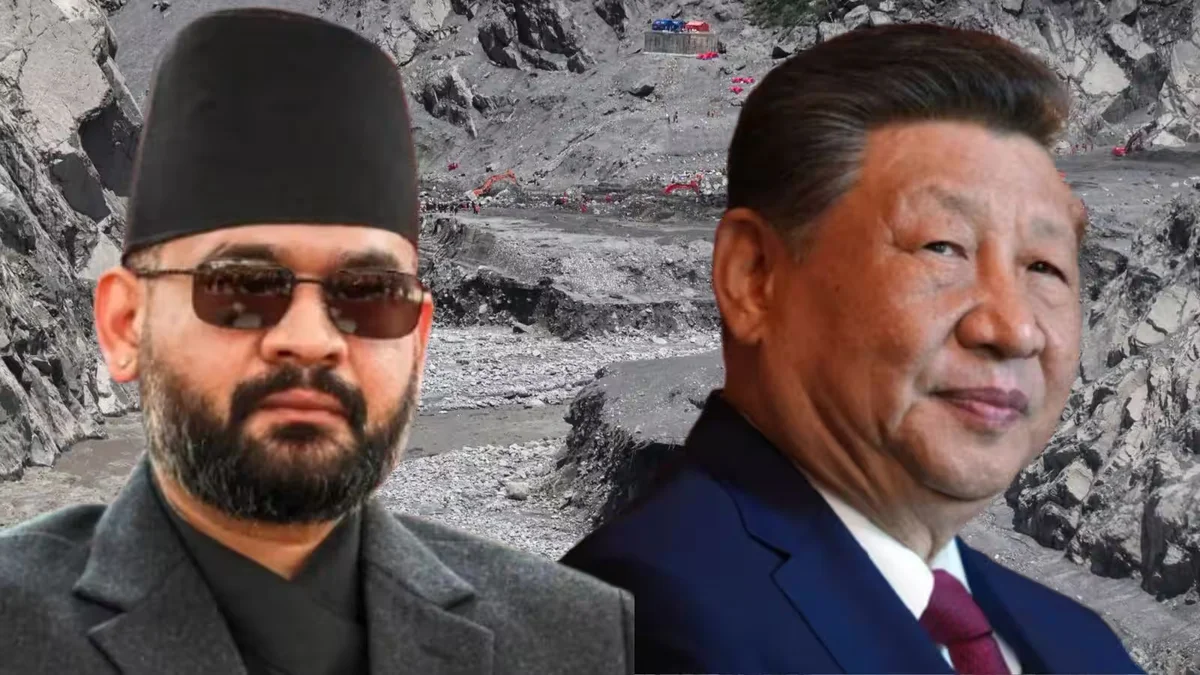
A Major Crisis Looms Large for Nepal Ahead of Festive Season

In the complex web of regional geopolitics, trade bottlenecks between Nepal and China have once again come to the forefront. From the mountainous regions to the capital city of Kathmandu, deep concerns are mounting that the continued closure of a vital trade route will worsen the situation. Despite multiple diplomatic appeals by the Nepali government urging Beijing to reopen the Tatopani border, the Chinese administration has shown little urgency, leaving local traders and citizens in deep distress.
The festive season of Dashain and Tihar is fast approaching in Nepal. During these auspicious celebrations, market demand for clothing, electronics, and daily consumer goods spikes significantly. Most of these goods are imported via routes connected to China. However, long lines of stranded freight trucks and locked border gates indicate that this year's festive season will pose immense challenges for Nepal's economy and retail market.
Diplomatic and Administrative Reasons Behind the Tatopani Border Impasse
The Tatopani border serves as a primary gateway for trade between Nepal and Tibet. In Nepal's broader trade dynamics involving India and China, this route plays a crucial role. Over the past few years, the border has repeatedly faced closures under the pretext of natural disasters, landslides, or health and security protocols. Local traders and officials argue that the Chinese side lacks cooperation regarding infrastructure and border management.

Diplomatic experts suggest that China maintains tight control over these frontiers based on its strategic priorities and security stance. Although Nepali administrative officials have raised this issue in various bilateral meetings, Nepal's urgent commercial needs often get sidelined amidst diplomatic formalities. The disruption of goods coming through Tibet directly impacts Nepal's overall economic stability.
Severe Losses for Traders and Rising Inflation Fears in Local Markets
The closure directly impacts small and large-scale traders in Nepal. With imported goods from China failing to arrive on time, commercial orders remain stuck. Empty warehouses ahead of the festive season spark fears of soaring inflation. Traders note that they had placed advance orders for the festivals, but their shipments remain stranded right at the border.
This uncertainty fosters concerns of artificial scarcity and hoarding in the market. Ordinary consumers may be forced to purchase goods at inflated prices. Nepali economists warn that unless this trade route is restored in a timely manner, Nepal's import-export balance will suffer heavy setbacks.