The Other Side of the World's Most Powerful Nation

Whenever we think of the United States, towering skyscrapers of New York, the fast-paced financial markets of Wall Street, and the political corridors of Washington D.C. immediately come to mind. The common perception is of shining highways, bustling cities, and doorstep deliveries at the click of a button. However, this only represents the dazzling mainland of America.
Far away from this urban glamour exists another America, where everyday ground reality is entirely different. According to U.S. Geological Survey data, the United States encompasses a staggering 18,617 islands. Spread from the warm waves of the Pacific Ocean to the freezing Arctic ice, life on these remote islands unfolds amidst raw nature and absolute maritime silence.
Dependence on Fragile Supply Lines and Weather Conditions
Unlike mainland America where every facility is readily available, daily existence on these isolated outposts depends heavily on marine supply chains and unpredictable weather patterns. In remote locations like the Aleutian Islands of Alaska or tiny atolls in the Pacific, fresh vegetables, milk, medicines, and fuel cannot be transported via expressways or six-lane highways.
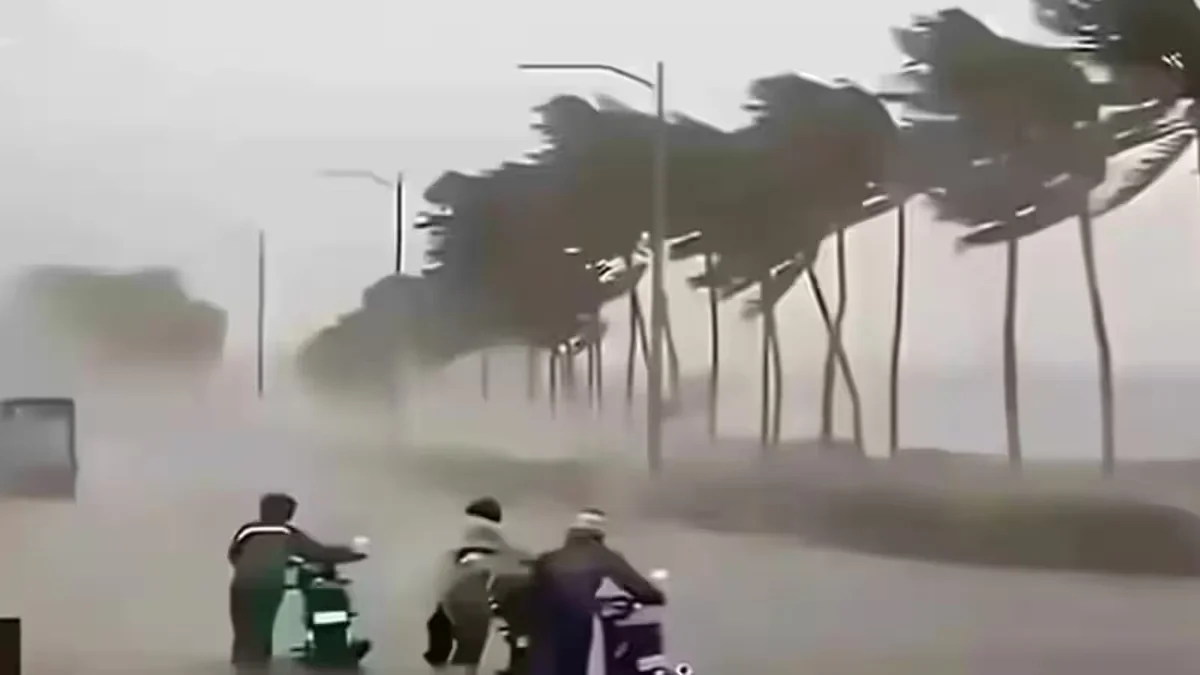
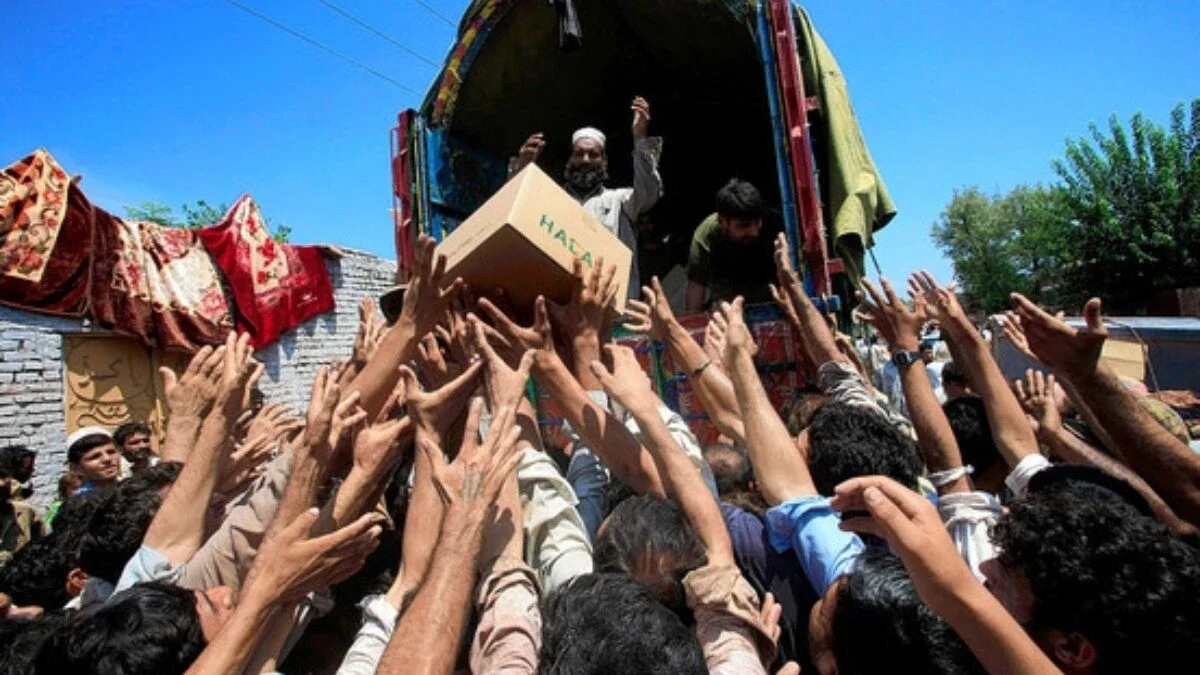
Cargo ships and small aircraft serve as the primary lifelines for these communities. When ocean storms strike or thick fog rolls in, supply lines are cut off for weeks, leaving supermarket shelves bare. Due to heavy transportation costs, basic commodities like bread and milk often cost two to three times more on these islands compared to the mainland.
Alternative Infrastructure and Political Realities
Securing basic amenities like electricity and fresh water remains a constant struggle on many smaller islands. Central power grids rarely reach these isolated regions, forcing residents to rely on diesel generators, solar panels, and wind turbines. For drinking water, communities depend on rainwater harvesting or desalination plants.
Moreover, residents of these islands face a unique political paradox. While they hold U.S. passports and serve in the American armed forces, they lack full voting representation in presidential elections unless they establish residency on the mainland. Despite these logistical hurdles, these islands provide the United States with massive strategic depth, vast exclusive economic zones, and crucial military outposts across the globe.