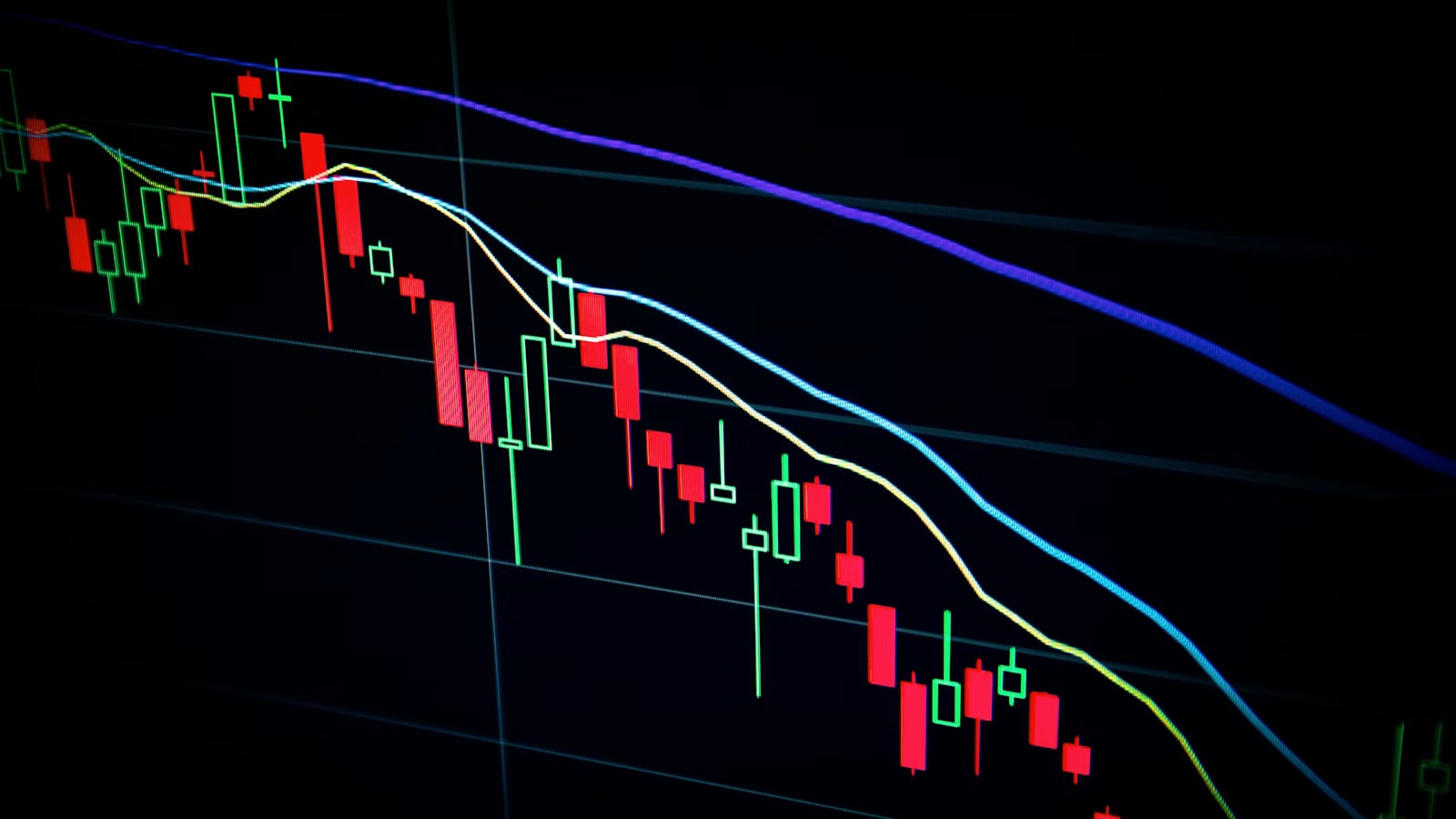
New Delhi/Ground Bureau — Global trade data reveals a striking dependence of several nations on the United States economy. Countries like Mexico, Canada, and Vietnam heavily rely on American consumer demand to keep their manufacturing hubs and local businesses running. Any fluctuation in the US market directly impacts the economic stability of these nations, highlighting a deep-rooted global trade imbalance.
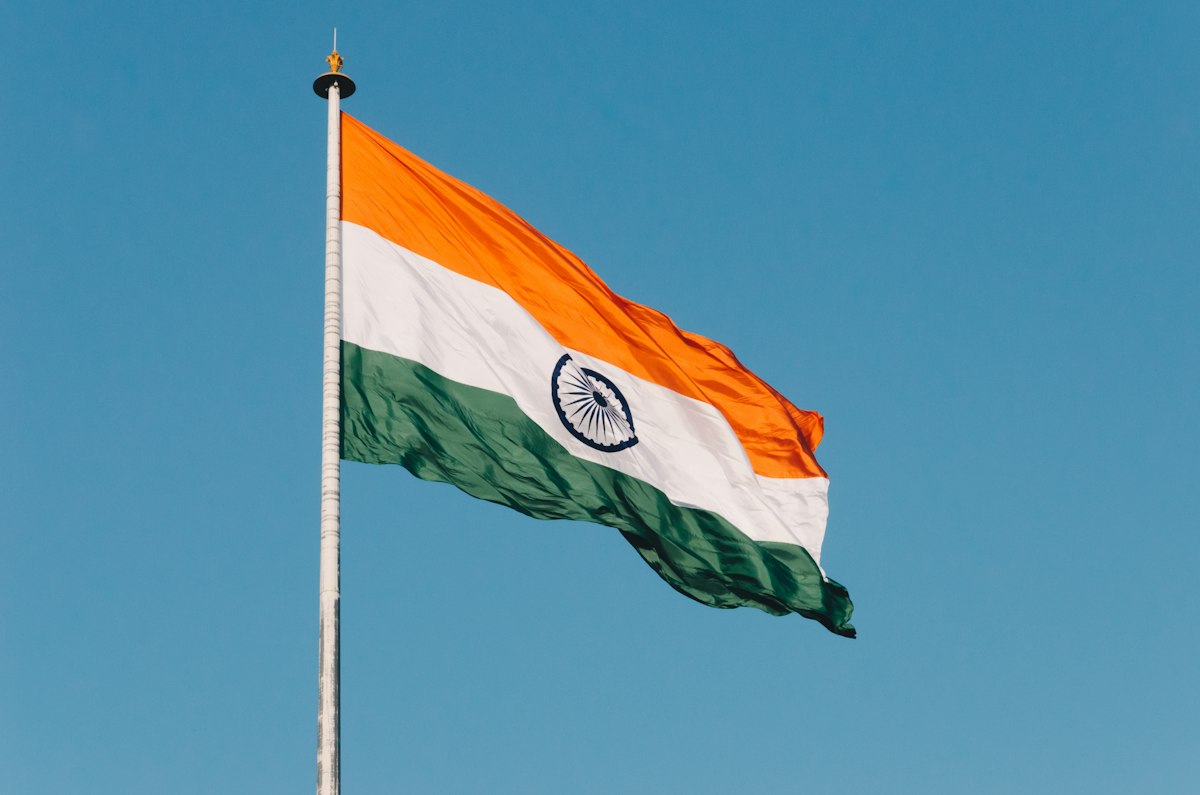
Amidst these global dependencies, India is carving out a distinct path based on its own economic sovereignty. Recently, Commerce Minister Piyush Goyal outlined India's clear stance on Free Trade Agreements, stating that partner nations must respect India's sensitivities while negotiating terms. This approach ensures that domestic industries and farmers are protected, showcasing India's growing confidence in international trade negotiations.
The US-Centric Global Supply Chain
Statistics show that North American neighbors Mexico and Canada send the vast majority of their exports to the US market. Similarly, Vietnam has emerged as a major manufacturing hub largely driven by Western consumer demand. When American economic policies shift, the ripples are felt instantly across these export-driven economies, proving that their shop floors are practically tethered to Washington's economic pulse.
Meanwhile, geopolitical dynamics continue to evolve across other regions, including ongoing diplomatic and economic negotiations involving Iran and the US. Economists and policymakers around the globe are constantly evaluating these trends through newly recognized research models and market indicators to predict future downturns or growth phases.
Corporate Shifts and Market Dynamics
On the domestic front, India's corporate sector is witnessing massive restructuring. Speculation surrounding major upcoming Initial Public Offerings, such as Jio, indicates that prominent Indian conglomerates are poised to scale new financial heights. While global markets dance to the tune of external trade dependencies, India's internal market strength provides a robust buffer against global shocks.

For everyday consumers and small businesses, understanding these macroeconomic shifts is crucial. Global trade policies directly dictate fuel prices, technology costs, and inflation rates. By maintaining a firm stance on trade reciprocity, India aims to safeguard its domestic interests while engaging constructively with the global economy.
Towards Self-Reliance and Fair Trade
Ultimately, while nations like Mexico and Vietnam demonstrate how external markets can drive domestic growth, India's strategy underscores the importance of strategic autonomy. The coming months will test how global trade networks adapt to shifting US policies and the assertive trade stances taken by emerging economic powerhouses.