Commuters Face Severe Hardships Due to Delayed Trains
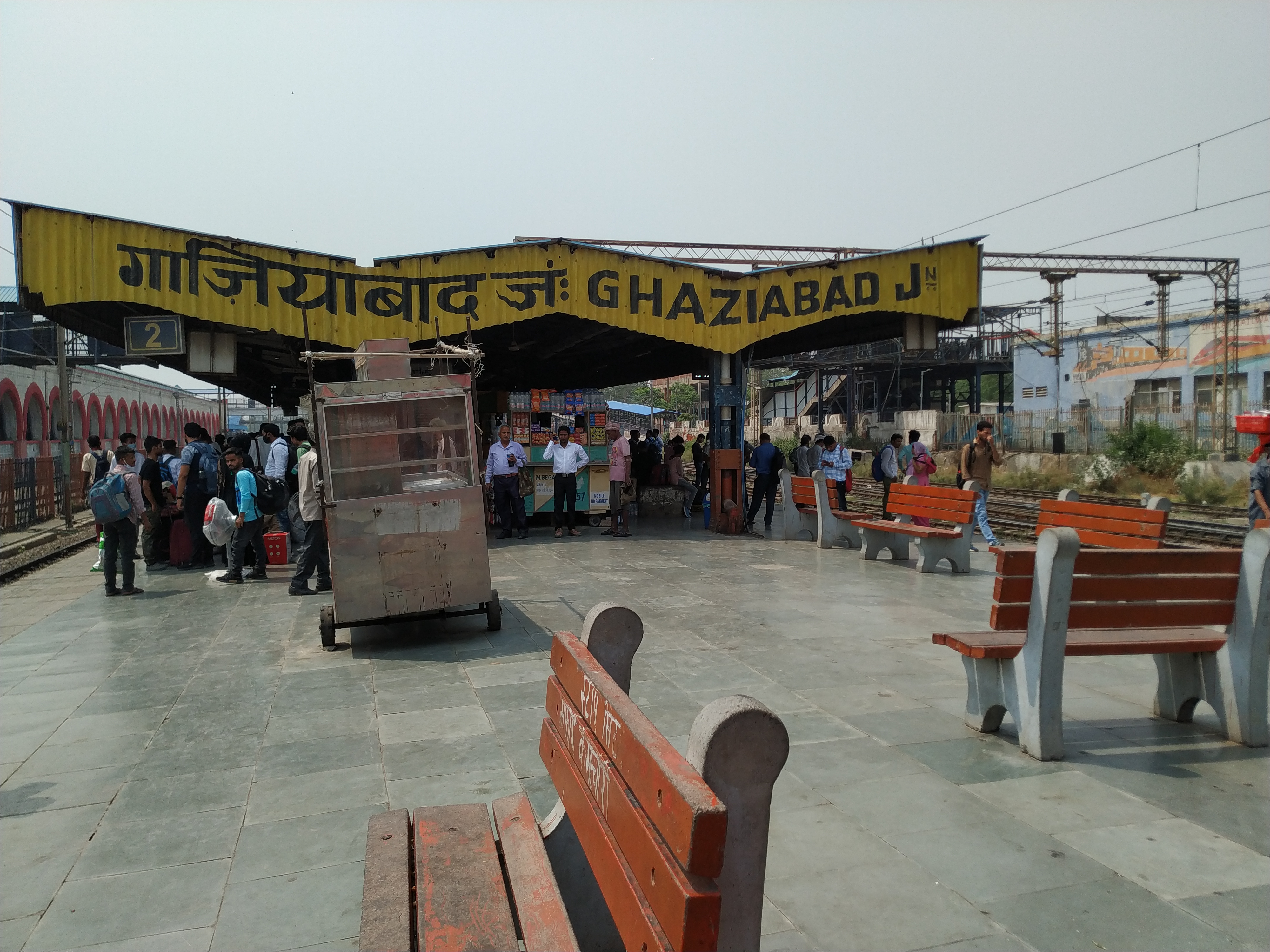
Punctuality plays a vital role in daily life, especially for those who commute daily for work or education. Tuesday proved to be a stressful day for passengers traveling through the Ghaziabad railway station and surrounding routes, as more than ten trains faced severe delays, disrupting the entire rail network.
The cascading effect of these delays severely impacted office-goers and college students who needed to reach their destinations during peak morning hours. Thousands of daily passengers travel from areas like Khurja, Aligarh, Hathras, Hapur, Modinagar, Muradnagar, and Dadri to Delhi and the National Capital Region. The sudden disruption shattered their daily schedules and left many stranded on platforms in the biting cold.
Experts suggest that ongoing track maintenance, seasonal weather changes, and heavy rail traffic are major contributors to poor train punctuality. However, commuters express frustration over the lack of timely updates from railway authorities, which often leaves them clueless about arrival times.
Overview of Delayed Train Services
The list of delayed trains on Tuesday was extensive, headed prominently by the Delhi-Bareilly EMU, which reached its destination nearly three hours behind schedule. Both long-distance and passenger trains bore the brunt of the operational delays.
The Subedarganj to Anand Vihar service ran approximately one hour and 51 minutes late, while the Utkal Express trailed behind by one hour and 55 minutes. Similarly, the Delhi-Jakhalri Express operated about one hour and 17 minutes behind time, causing widespread inconvenience to passengers along the route.
"Traveling by train everyday has become completely unpredictable. We never know if we will reach our offices on time. Railways must upgrade their scheduling and operations." — Ramesh Kumar, Daily Commuter
Understanding Railway Connecting Journey Rules
Amidst such delays, a common concern among passengers is whether they will lose their ticket money or receive a refund if a delayed first train causes them to miss their connecting train. Indian Railways has clear protocols governing such situations.
If a passenger books a connecting journey under a single PNR and misses the second train solely because the first train ran late, they are officially entitled to a full refund. Passengers need to file a Ticket Deposit Receipt (TDR) at the destination station following due process.
However, if separate tickets were purchased independently, claiming a refund for the missed connecting train becomes significantly more difficult. Passengers are therefore advised to maintain adequate buffer time when planning journeys involving multiple train changes.