Tensions Escalate in the Middle East as Medina's Power Infrastructure is Targeted
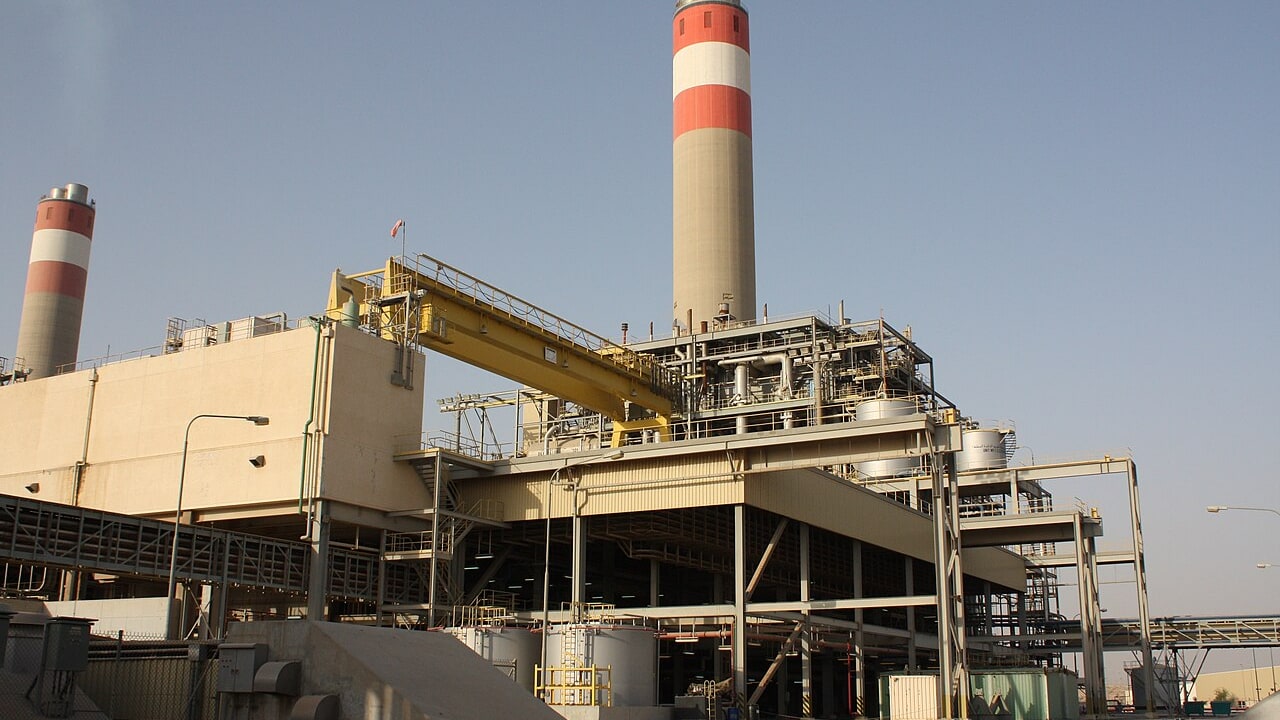
The ongoing conflict in the Middle East has taken a deeply sensitive turn as Yemeni Houthi rebels reportedly carried out a drone attack on the holy city of Medina in Saudi Arabia. The strike hit a vital power station, disrupting electricity in several neighborhoods of the revered city, which holds immense religious significance for Muslims worldwide as the burial site of Prophet Muhammad.
Security analysts and official reports indicate that the attack marks a dangerous escalation in the protracted conflict. The targeted facility supplies power to the revered Prophet's Mosque (Al-Masjid an-Nabawi), drawing widespread outrage and condemnation from various Islamic nations and Gulf states who view the assault as a direct provocation to millions of believers.
Denial from Houthi Factions and Counter-Strikes by the Saudi Coalition
Meanwhile, Houthi-run media outlets have strongly denied involvement in the attack on Medina, claiming that the allegations are fabricated by the coalition to mask military setbacks. However, the Saudi-led coalition maintained that the strike was part of a broader pattern of aggression aimed at destabilizing the region and targeting sacred Islamic sites.
In response to the escalation, the Saudi air force launched a series of precise airstrikes targeting Houthi military positions, supply lines, and equipment in the Yemeni capital of Sana'a and the Taiz province. Military spokespersons reiterated their commitment to neutralizing threats and protecting regional stability.
Wider Humanitarian Impact Amid Ongoing Conflict
As military confrontations intensify, international organizations have expressed grave concern over the worsening humanitarian crisis in Yemen. The United Nations and the World Food Programme (WFP) have warned that renewed fighting severely hampers relief efforts, leaving hundreds of thousands of displaced civilians struggling with acute food insecurity, lack of clean water, and medical shortages.
Experts emphasize that unless a diplomatic breakthrough is achieved, the cycle of violence will continue to destabilize the region, threatening global energy corridors and inflicting unimaginable suffering on innocent civilians.