
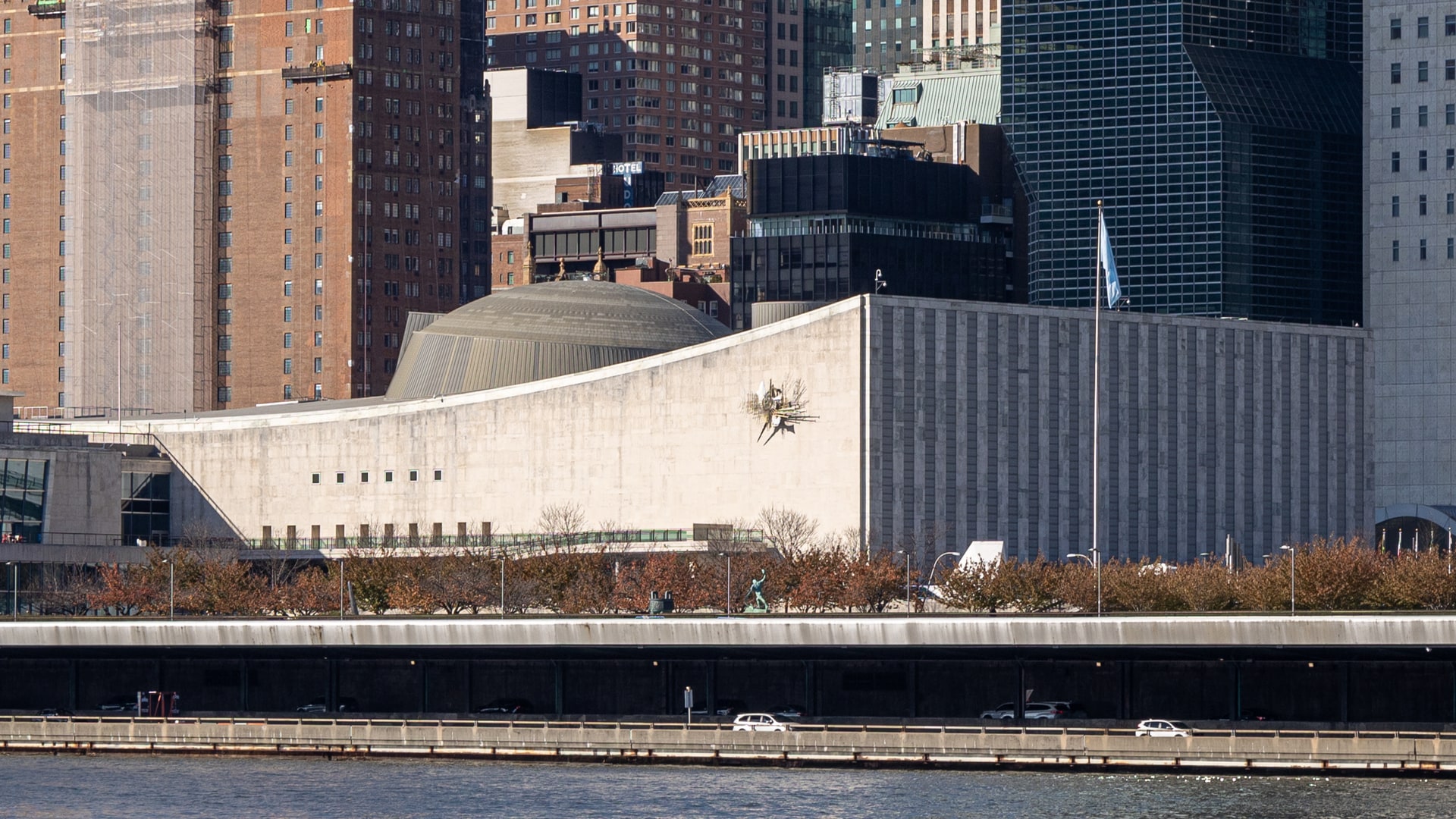
India's Firm Stance at the United Nations
India has delivered a sharp and unequivocal diplomatic rejection to Turkish President Recep Tayyip Erdogan following his remarks on Jammu and Kashmir during the United Nations General Assembly session. Addressing regional stability, the Turkish leader had suggested that disputes in South Asia, including Kashmir, should be resolved under the framework of UN resolutions. New Delhi swiftly dismantled this narrative, reiterating its unyielding stance that domestic issues are entirely internal matters.
The Ministry of External Affairs (MEA) made it abundantly clear that external entities have no locus standi when it comes to the sovereignty and territorial integrity of the Indian Union. This robust reaction underscores India's evolving foreign policy, where unwarranted remarks by foreign leaders on internal governance or territorial boundaries are met with immediate and forceful pushback.
MEA Spokesperson Randhir Jaiswal's Strong Rebuttal
During a weekly media briefing in New Delhi, MEA official spokesperson Randhir Jaiswal addressed the controversy directly. When asked by reporters regarding the Turkish President's statements, Jaiswal did not mince words. He emphasized that the global community must respect state sovereignty and refrain from echoing unverified or politically motivated rhetoric.
Jaiswal stated that India completely rejects the unwarranted references made to the Indian Union Territory of Jammu and Kashmir. He underscored that bilateral frameworks and historical agreements leave no space for external mediation or unsolicited commentary from nations trying to pander to regional geopolitics.
"You would have seen that these remarks you refer to were made by the Turkish President. India rejects the unwarranted references to the Indian Union Territory of Jammu and Kashmir made by the Turkish President during his UNGA address. This matter is tied to India's regional integrity and sovereignty, and no external party has any right or role in this issue." — Randhir Jaiswal, MEA Spokesperson
Understanding Turkey's Motivations and Regional Context
President Erdogan's remarks at the 81st session of the UNGA were part of a broader speech touching upon various global hotspots, including the crisis in Gaza and regional stability in South Asia. Observers note that Turkey frequently attempts to project itself as a leader in the Islamic world by raising contentious bilateral issues on international platforms, often ignoring established diplomatic protocols.
Despite maintaining complex trade and diplomatic channels with various nations, Turkey's repeated alignment with specific rhetoric regarding Pakistan and Kashmir has strained its diplomatic optics with New Delhi. India's consistent policy remains that any dialogue with Pakistan, if it occurs, will be strictly bilateral and free from third-party interference, as outlined in historical agreements like the Simla Agreement.
A Clear Message on National Sovereignty
India's proactive diplomatic posture on global forums demonstrates a significant shift from past decades. Rather than allowing unwarranted commentary to pass without a formal response, New Delhi ensures that its national interests and territorial boundaries are fiercely defended in real-time.
The latest exchange at the UNGA serves as a reminder to the international community that India's internal governance and federal structure are non-negotiable. As global geopolitics continues to evolve, India's firm refusal to entertain unsolicited foreign advice on Jammu and Kashmir remains a cornerstone of its sovereign dignity.


