
The Reality Behind Pakistan's Claims on the Indus Water Treaty
In the realm of international diplomacy, Pakistan frequently resorts to rhetoric that crumbles under scrutiny. Recently, a minister in Pakistan labeled Prime Minister Shahbaz Sharif's remarks on the Indus Water Treaty as 'historic', triggering widespread ridicule across global platforms and social media. Observers note that such statements are routinely engineered to divert domestic public attention from severe economic turmoil and internal political instability.
Social media users sharply criticized the Pakistani leadership for making hollow claims. Analysts emphasize that vital water treaties and bilateral agreements are governed by strict international frameworks rather than domestic political grandstanding. India has consistently maintained a firm stance that water-sharing accords operate strictly on legal parameters and mutual compliance.
S. Jaishankar Slams Terrorism at the United Nations
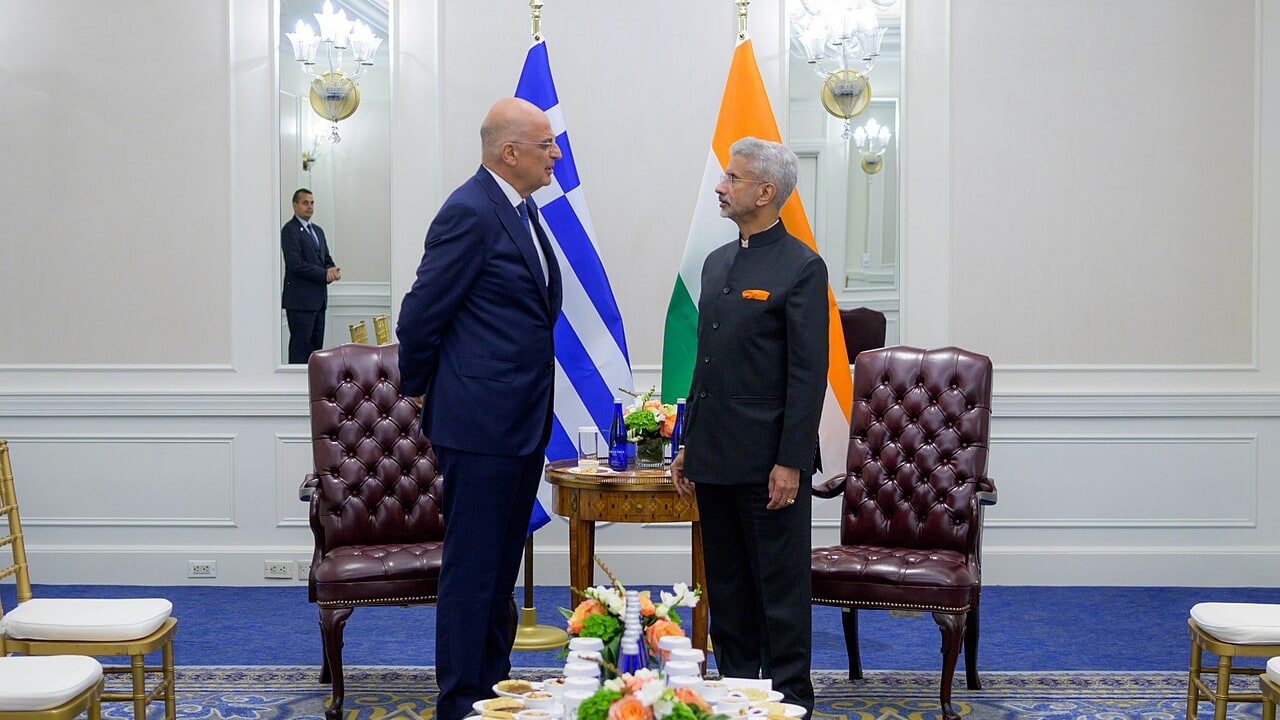
On the global diplomatic stage, India reiterated its unwavering foreign policy stance with zero tolerance for security threats. External Affairs Minister S. Jaishankar addressed the United Nations General Assembly, directly taking aim at nations that export and nurture terrorism as an instrument of state policy.
Without mincing words, Jaishankar stated that attempts by habitual perpetrators of terrorism to distort facts and normalize violence before international bodies will never succeed. He emphasized that India retains the absolute right to safeguard its citizens and territorial integrity against any hostile cross-border designs.
"A country that has continuously sponsored terrorism presented distorted facts before this assembly. The arguments made to normalize terror and evade its consequences are entirely unacceptable, and India will exercise its right to self-defense." — S. Jaishankar, External Minister of IndiaAddressing Western and US Perceptions on Security Concerns
Speaking at a special event hosted by the Asia Society in New York, the Indian External Affairs Minister addressed complex relations with Washington, responding to queries from former U.S. diplomat Daniel Russel regarding trade, tariffs, and bilateral alignment.
Jaishankar conveyed that for strategic partnerships to truly flourish, western allies and partners must fully comprehend India's core security sensitivities, particularly regarding cross-border terrorism emanating from its neighborhood. Ignoring this critical reality inevitably impacts bilateral warmth and cooperation.
India's Independent Foreign Policy Model Gains Global Recognition
Geopolitical analysts suggest that India's steadfast commitment to strategic autonomy has redefined modern diplomacy. Whether managing complex trade equations with major global powers or balancing ties across diverse international factions, New Delhi has consistently prioritized national interest above all else.
As Pakistan struggles with internal crises and futile propaganda campaigns, India continues to consolidate its position as a pillar of regional stability and economic growth on the world stage.


