

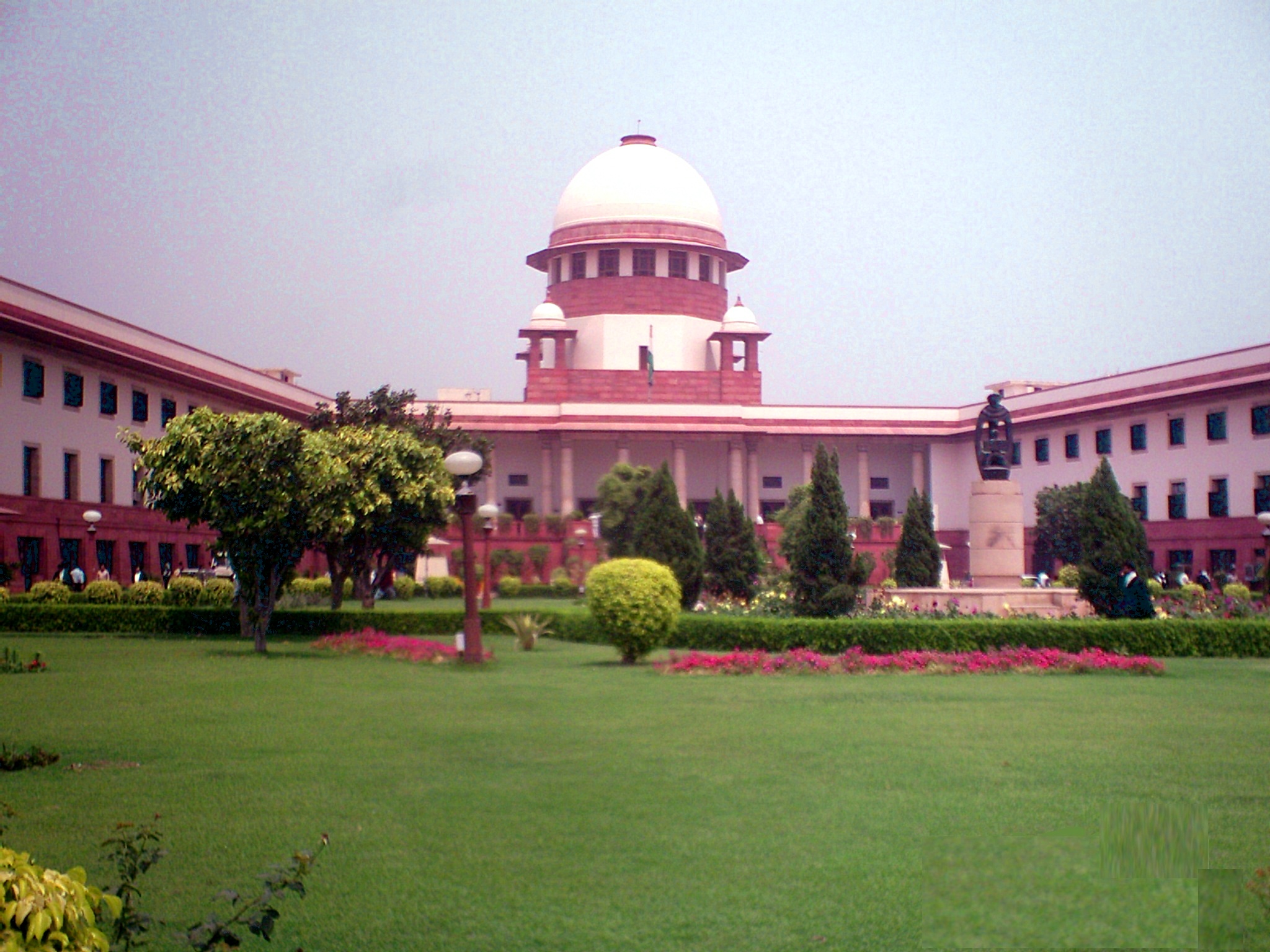
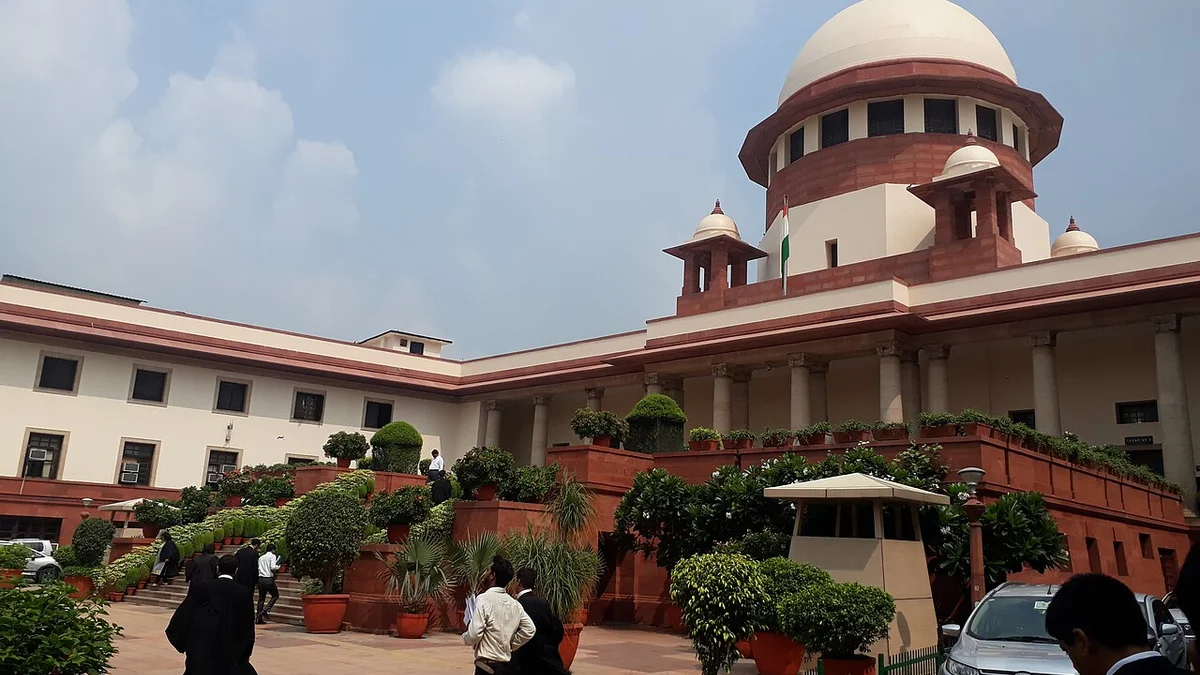
The Supreme Court will hear a crucial petition on Thursday filed by 13 opposition leaders, including Congress leader Rahul Gandhi and party chief Mallikarjun Kharge, regarding the Special Intensive Revision (SIR) of voter lists. The petition raises serious questions about the Election Commission's decision-making process, changes to Form 6, and the constitutional validity of decisions related to SIR.
Questions on CEC's Powers and Decision-Making Process
Opposition leaders have demanded that the Supreme Court direct the poll body to submit detailed records of points of disagreement between the Chief Election Commissioner and the other two election commissioners. The plea alleges that CEC Gyanesh Kumar took critical decisions without consulting or gaining consensus from the other commissioners.
Citing the 1995 Supreme Court Constitution Bench ruling in the T.N. Seshan case, the petitioners argued that the CEC does not possess overriding powers compared to other election commissioners, and decisions must be made collectively in accordance with the law.
Demand for Independent Audit and Interim Stay
The petition also challenges modifications made to Form 6 for voter registration without proper statutory amendments and seeks an independent committee headed by a retired Supreme Court judge to audit the entire SIR process. Furthermore, the opposition has requested an interim stay on the ongoing exercise.
Issues concerning the technical audit of ECINET and ERONET databases, alleged deletion of voter names across various states, and a review of EVM operations have also been highlighted, emphasizing that free and fair elections are core components of the Constitution's basic structure.
This report is based on official petitions, public records, and verified political developments reported regarding the Supreme Court proceedings. 'The Freelance' strives for accurate and objective reporting.

National Desk, The Freelance
Verified Editorial DeskPolitics, Governance & Public Interest Reporting Team
The Freelance National Desk provides round-the-clock, verified, and in-depth analytical reporting on Indian politics, governance, policy decisions, parliamentary affairs, and public interest matters. We are committed to unbiased, factual journalism based on verified agencies, official statements, and on-the-ground correspondents.