

In Hindu culture, the Pradosh Vrat holds immense spiritual significance. When it falls on a Thursday, it is known as 'Guru Pradosh Vrat'. This fast is dedicated to Lord Shiva and Goddess Parvati. Devotees observe strict fasts on this day, offering milk, water, flowers, and bel leaves to the Shivling to seek divine grace and overcome life's obstacles.
Significance of Vrat Katha
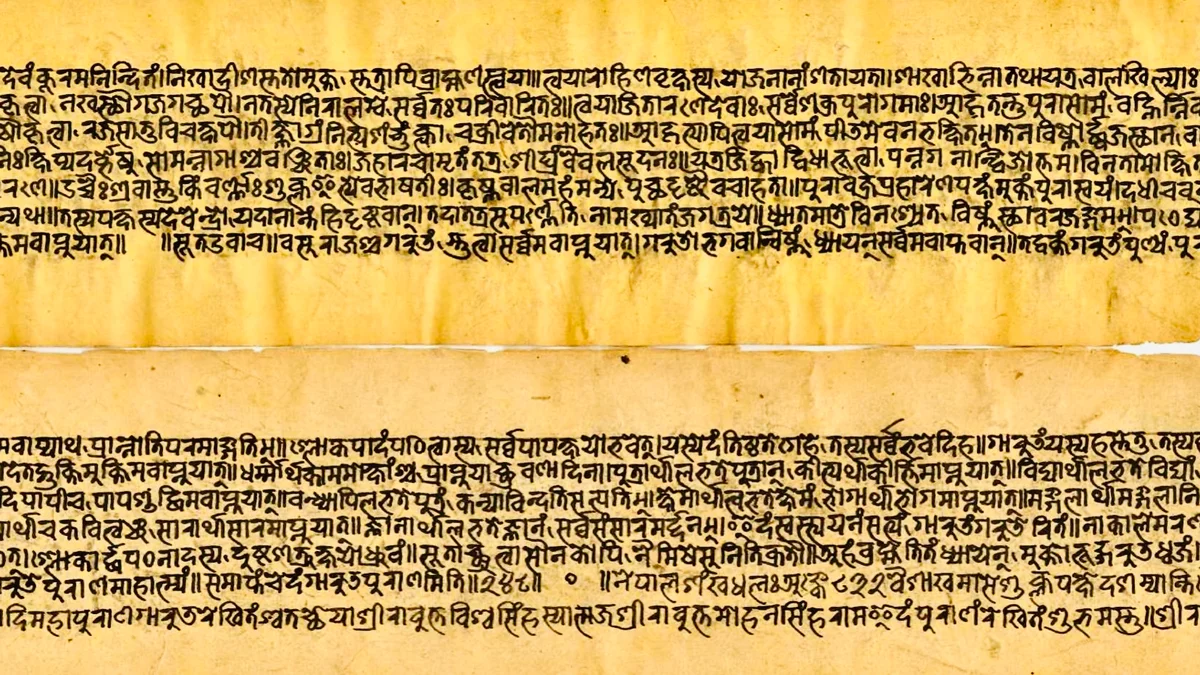
According to religious traditions, merely performing the worship rituals on Pradosh Vrat is not enough; reciting or listening to the Vrat Katha is mandatory. It is believed that without the Katha, the worship remains incomplete, and the devotee may not receive the full merits of the fast. Observing this fast with pure devotion helps alleviate sufferings and brings prosperity.
The Legend of Vritrasura and Lord Indra
According to mythological legends, a fierce battle once broke out between Lord Indra and the demon king Vritrasura. Seeing his army defeated, Vritrasura entered the battlefield in a terrifying, illusionary form. Frightened, the gods sought guidance from Brihaspati, the guru of the deities.

Guru Brihaspati revealed that Vritrasura was not just a powerful demon, but also an ardent devotee of Lord Shiva. In his previous birth, he was a king named Chitrarath who once mocked Lord Shiva and Goddess Parvati at Mount Kailash. Offended by his remarks, Goddess Parvati cursed him to take birth in a demonic lineage. Later, through severe penance, Vritrasura pleased Lord Shiva. Acting on Brihaspati's advice, Lord Indra observed the Guru Pradosh Vrat and successfully defeated his adversaries through Lord Shiva's divine grace.
'The Freelance' does not independently verify the authenticity of the claims made in viral social media posts or videos. This topic is widely discussed across various online platforms. Video Courtesy: Respective Social Media Handles / Creators.


Culture & Spirituality Desk, The Freelance
Verified Editorial DeskCulture, Heritage & Philosophy Desk
Exploring Indian philosophy, heritage architecture, cultural festivals, and spiritual traditions with historical context and respect. We are committed to unbiased, factual journalism based on verified agencies, official statements, and on-the-ground correspondents.