
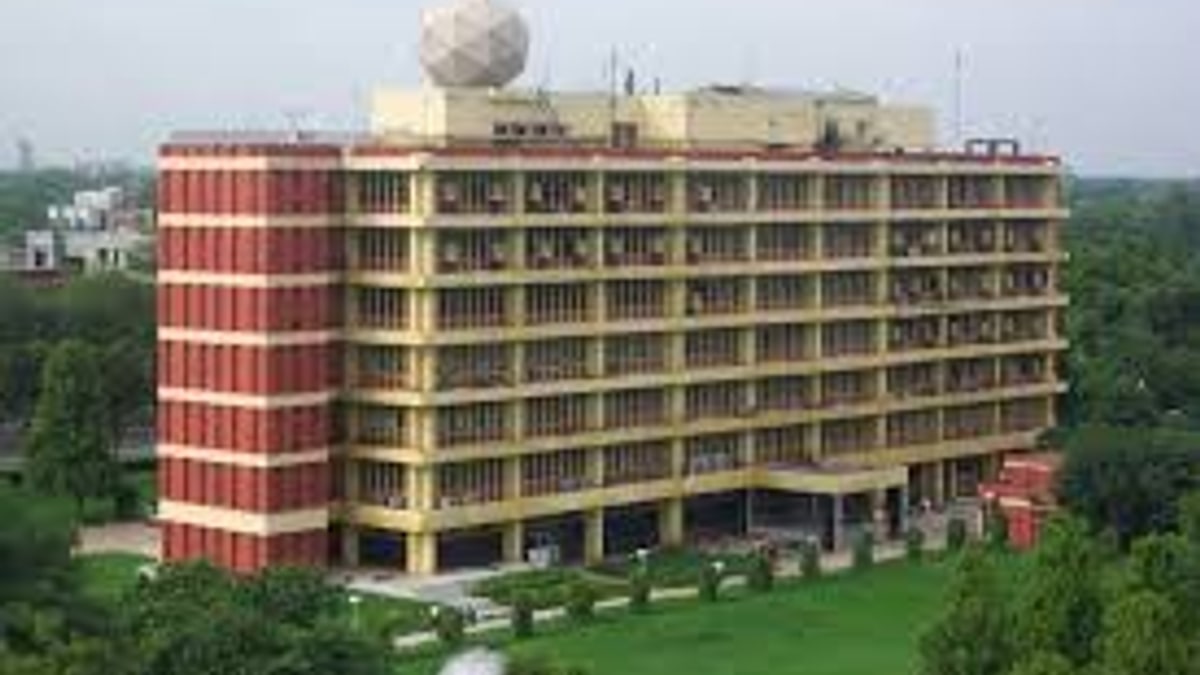
The weather across India has taken a sharp contrast as mid-October unfolds. While northern and northeastern parts of the country are experiencing a sudden dip in temperatures due to continuous rainfall and early snowfall, western regions like Maharashtra are battling unusual and intense October heat.
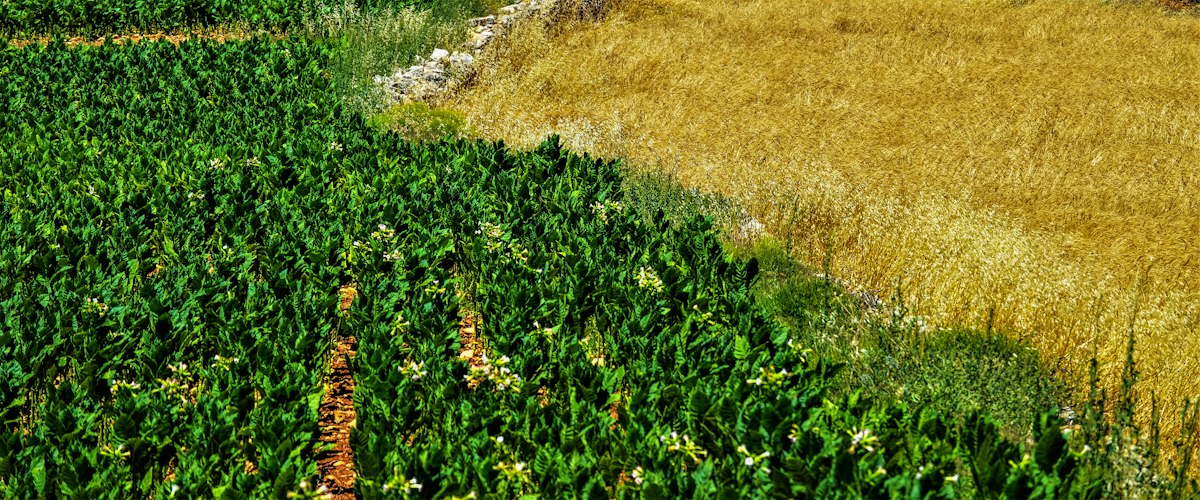
Snowfall in Hills and Rains in Plains
In the national capital, a sharp spell of rain cleared the air and brought a pleasant change in weather. Meanwhile, Jammu and Kashmir and Himachal Pradesh are witnessing heavy rains and chilly winds. The India Meteorological Department (IMD) has predicted light to moderate rain across Kashmir, with heavy snowfall expected in higher reaches such as Gulmarg, Pahalgam, and Sonamarg. Farmers have been advised to safeguard their harvested apple crops and paddy.
In Uttarakhand, districts like Dehradun, Tehri, Haridwar, Pauri, Rudraprayag, and Uttarkashi are experiencing overcast skies and thunderstorms. Areas located above 3,500 meters are expected to receive significant snowfall, pushing temperatures down across the neighboring plains.
Active Northeast Monsoon in South
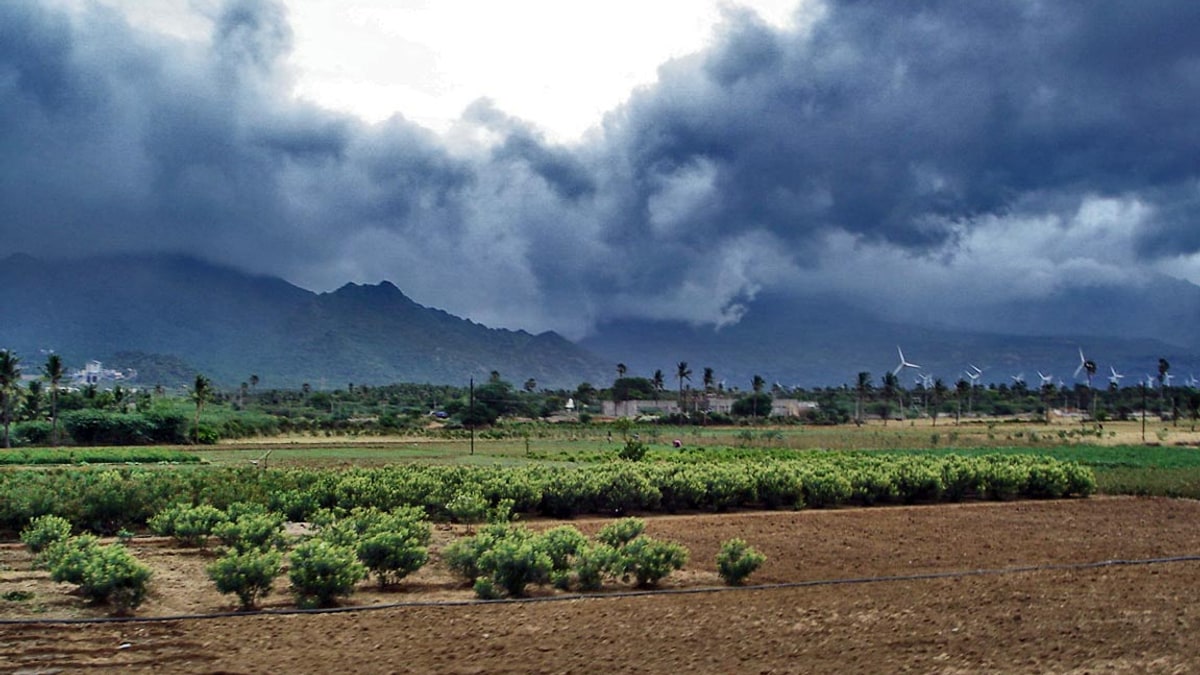
South peninsular India is witnessing active spells due to the onset of the Northeast monsoon. Tamil Nadu, Puducherry, coastal Andhra Pradesh, Kerala, and parts of Karnataka are receiving steady rainfall, which is expected to continue until October 21.
Mumbai Heatwave Warning
Contrasting sharply with the northern chill, Maharashtra is experiencing unseasonal warmth. Delayed sea breezes and an anti-cyclonic circulation over Gujarat and southwest Madhya Pradesh have pushed temperatures to around 35°C in Mumbai. Consequently, the IMD has issued a yellow heatwave alert for the financial capital.
This weather report is compiled based on forecasts and updates provided by the India Meteorological Department (IMD) and various verified meteorological data sources.




States & Regional Bureau, The Freelance
Verified Editorial DeskState Affairs & Grassroots Reporting Bureau
Delivering verified, on-the-ground reporting on state governance, regional development, grassroots public challenges, and local administrative reforms across India. We are committed to unbiased, factual journalism based on verified agencies, official statements, and on-the-ground correspondents.