Amidst escalating conflicts in the Middle East and severe disruptions in global supply chains, the world is facing an unprecedented energy crunch. The blockade of vital shipping lanes and halted crude oil supplies have sent petroleum prices soaring, placing an immense burden on global consumers. In a major development, seven major industrial nations have decided to open their strategic oil reserves to flood the international market with much-needed crude.
Led by French President Emmanuel Macron, the G7 nations reached a consensus to release 100 million barrels of crude oil and diesel in a phased manner. Coordinated by the International Energy Agency (IEA), this massive operation will roll out over the next four months, with a heavy front-loading of diesel supplies in the first 20 days to stabilize fractured transportation and logistics networks.
Donald Trump's Push and European Compliance
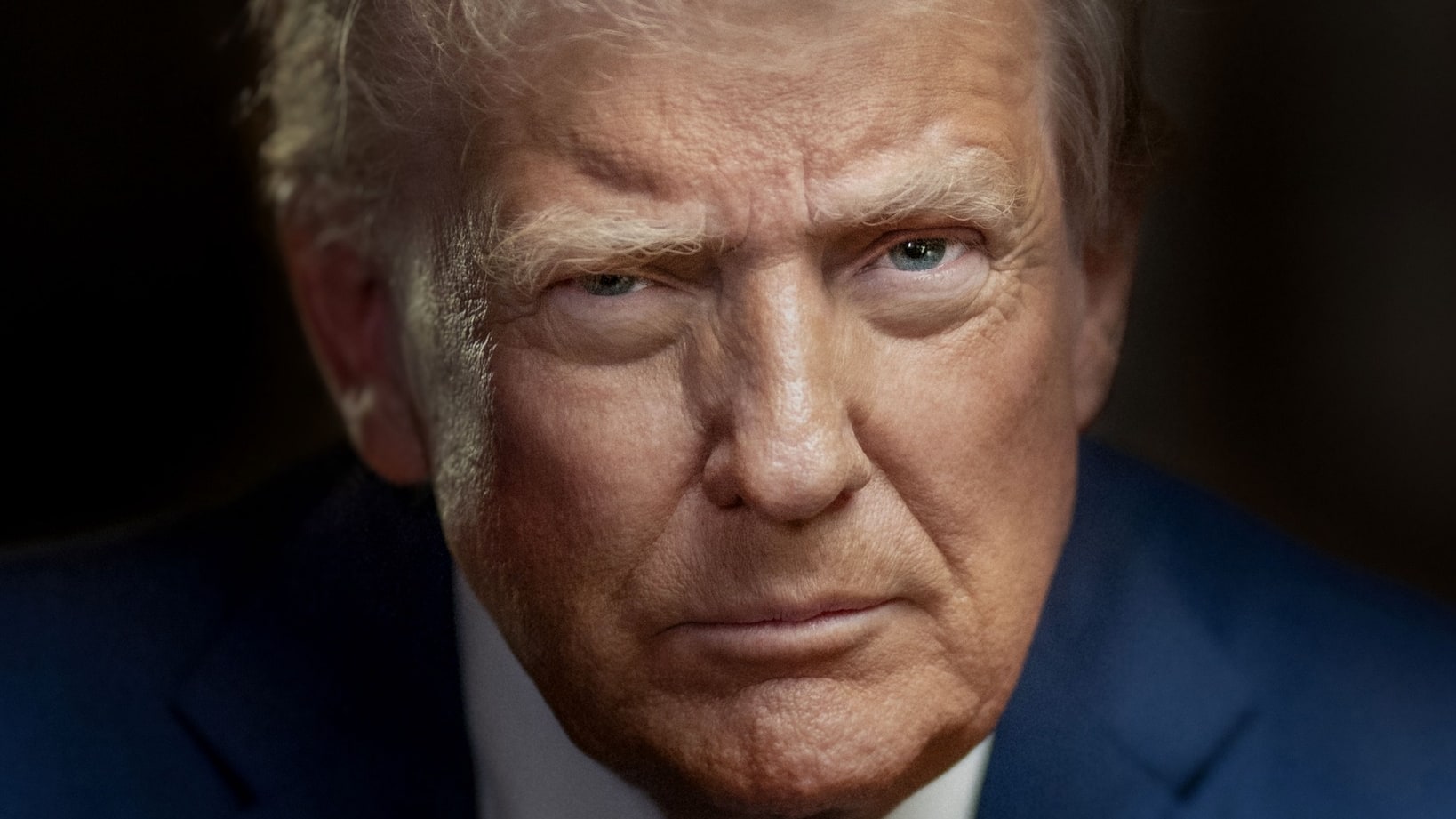
The decisive move comes on the heels of intense pressure from US President Donald Trump, whose administration faced mounting political heat over record-high fuel prices ahead of crucial midterm elections. With gas and diesel costs reaching historic peaks across America, public dissatisfaction threatened the ruling party's standing.
Washington aggressively pushed European allies to tap into their massive diesel stockpiles, warning of potential export restrictions if immediate action wasn't taken. Given Europe's heightened reliance on American fuels following restrictions on Russian imports, the warning triggered swift diplomatic alignment and the eventual G7 emergency agreement.
Coordinated Action to Ease Global Supply Pressures
The IEA-coordinated release is designed to bring immediate relief to commercial transport and supply chains heavily dependent on diesel. Analysts note that stabilizing diesel costs is critical to preventing a wider ripple effect on consumer goods and food prices globally. While questions remain regarding the exact overlap with previous spring releases, the swift commitment underscores the urgency felt by major economies to calm volatile energy markets.