
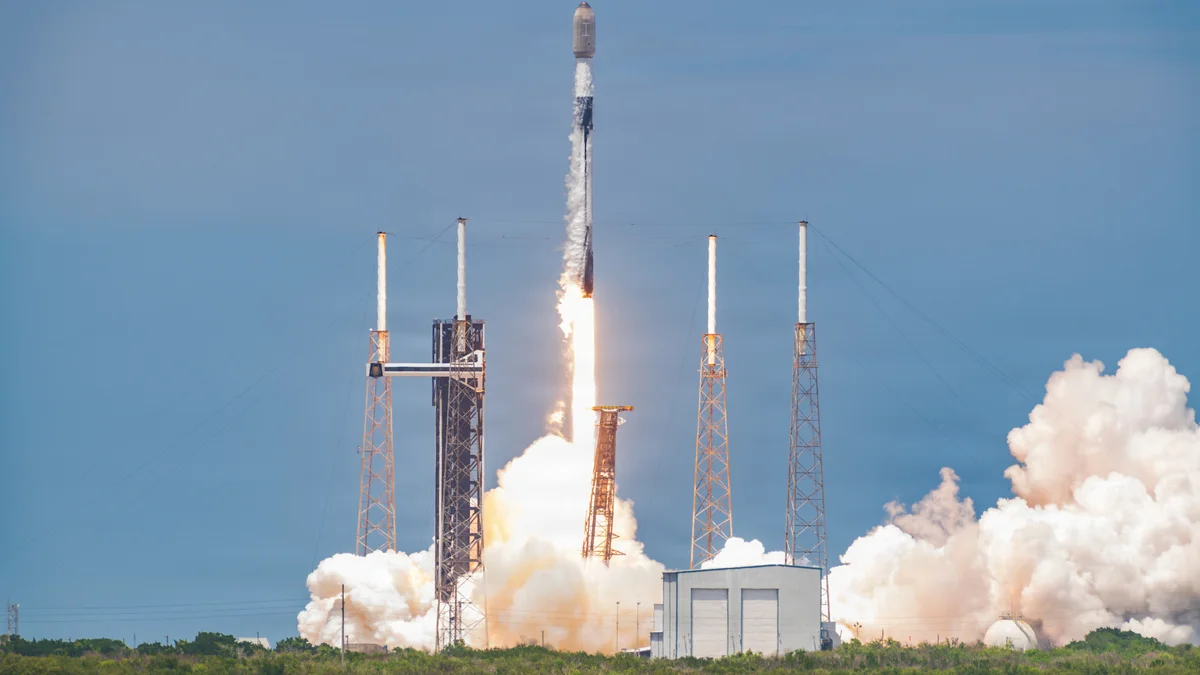
Thousands of Starlink satellites are currently orbiting Earth in Low Earth Orbit (LEO), providing global internet connectivity. However, these modern technological marvels face an invisible and severe threat originating from the Sun. Whenever intense solar activity occurs, it directly impacts Earth's upper atmosphere, causing it to heat up and expand significantly.
According to space scientists, solar storms release massive amounts of energy that travel to Earth, triggering geomagnetic storms. During these events, the density of gas particles in the upper atmosphere increases. As fast-moving satellites collide with these denser particles, atmospheric drag increases dramatically, causing the spacecraft to gradually lose altitude.
The 2022 Incident When Satellites Burned Up
The severity of this threat was vividly demonstrated in February 2022, when SpaceX launched 49 Starlink satellites. Initially placed at an altitude of approximately 210 kilometers before being raised to their operational orbit of 550 kilometers, the satellites encountered an unexpected geomagnetic storm right after launch.
Research indicates that atmospheric density at the 210-kilometer altitude increased by 20 to 30 percent during the storm. Despite efforts by SpaceX engineers to save them, 38 out of the 49 satellites could not maintain their orbits and plunged back into Earth's dense atmosphere, where they burned up due to extreme frictional heat.
Why Low Earth Orbit Poses Higher Risks
Constellations like Starlink operate primarily in Low Earth Orbit, where Earth's atmosphere is extremely thin but not entirely absent. Under normal conditions, atmospheric drag is negligible. However, during solar storms, atmospheric expansion drastically increases drag, causing rapid orbital decay unless corrective maneuvers are performed.
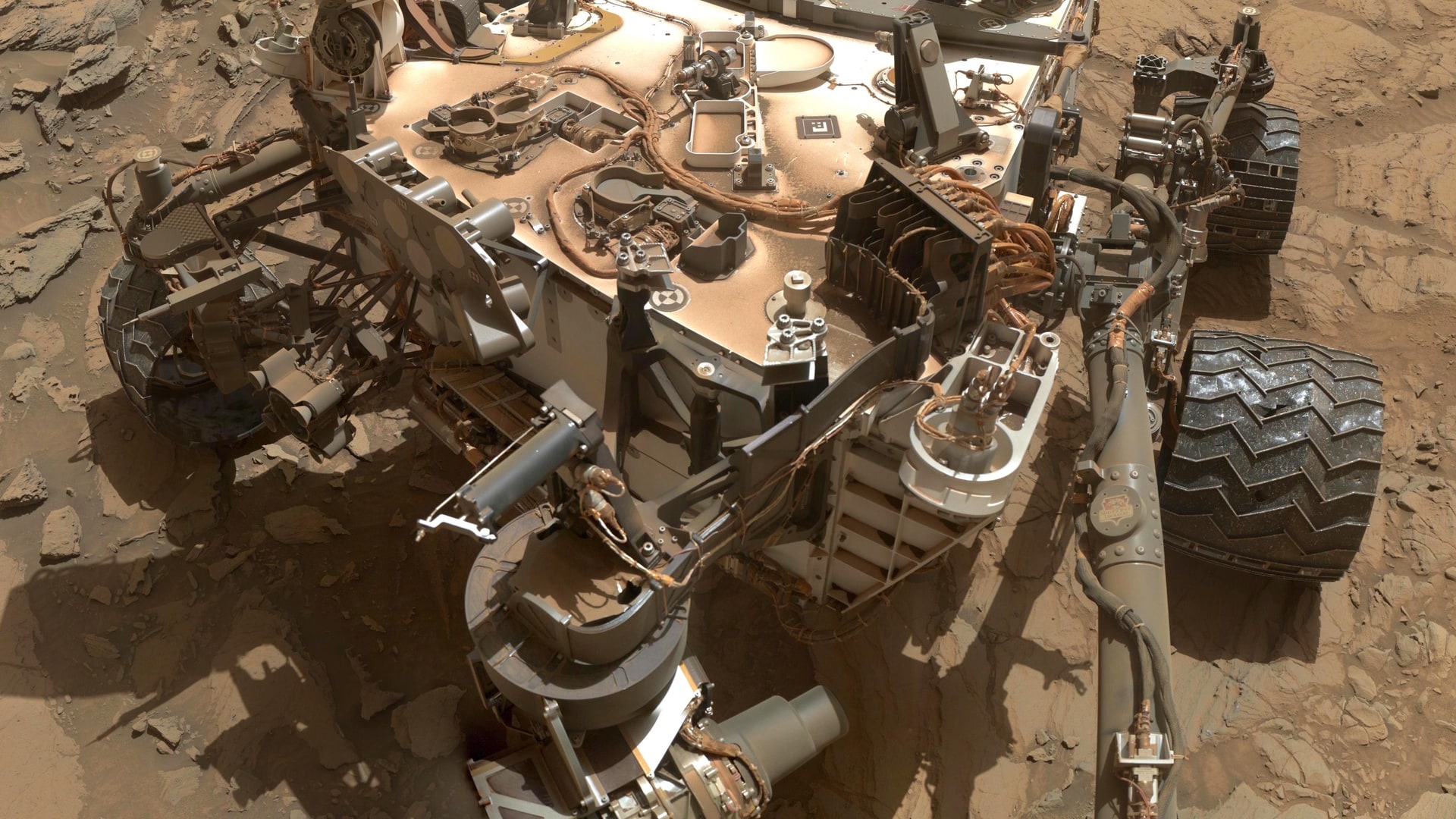
Experts emphasize that as the number of active satellites in orbit continues to multiply, monitoring space weather becomes critical to protecting global satellite infrastructure from solar disasters.
Growing Satellite Networks Mean Greater Vulnerability
As the Starlink network and other commercial satellite constellations expand, the concentration of spacecraft in LEO increases proportionately. Researchers warn that future, more powerful geomagnetic storms could put vast numbers of low-altitude satellites at risk, making precise space weather forecasting and orbital management vital for the future of space exploration and communication.
'The Freelance' does not independently verify claims regarding space weather and scientific studies mentioned in viral social media reports. Content is curated for informational purposes. Visuals/Data Courtesy: Respective Space Agencies and Research Institutions.



Tech & Auto Desk, The Freelance
Verified Editorial DeskTechnology, AI, Cybersecurity & Mobility Bureau
Providing objective product reviews, cybersecurity alerts, artificial intelligence breakthroughs, and automotive industry developments for smart consumers. We are committed to unbiased, factual journalism based on verified agencies, official statements, and on-the-ground correspondents.