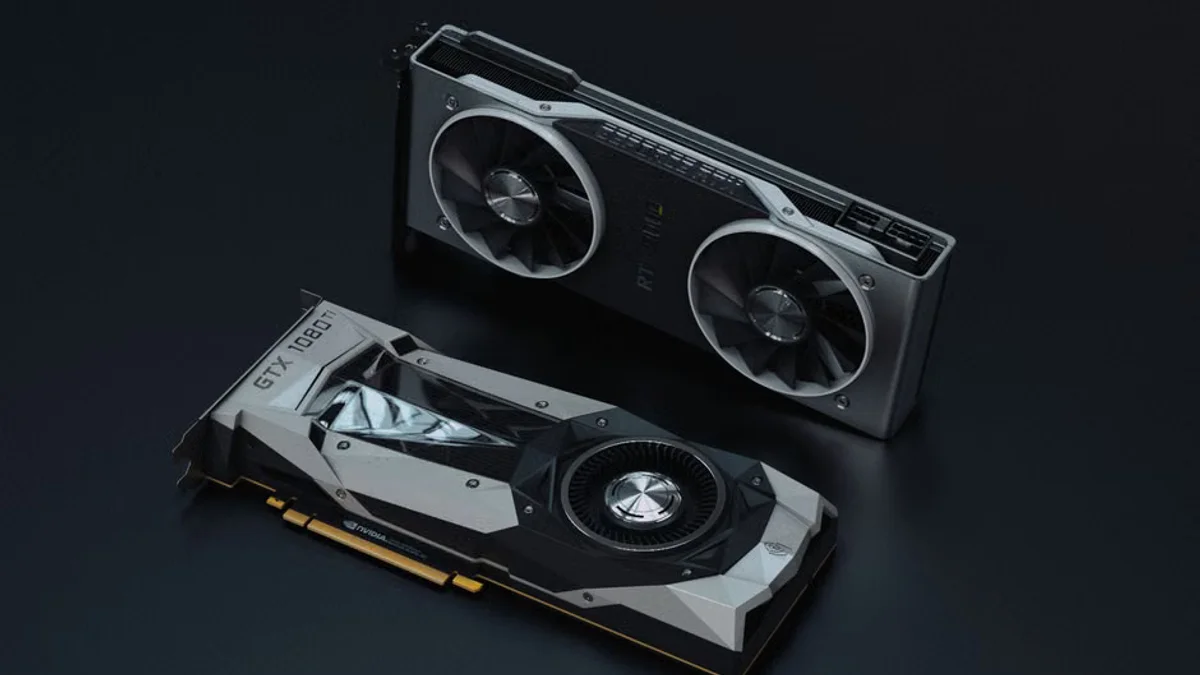
The technology landscape is buzzing following Nvidia's announcement of the RTX Spark, a cutting-edge processing initiative that industry insiders are calling a watershed moment for computing architecture. At the heart of the excitement is Nvidia’s strategic embrace of Arm-based processing, which promises to make high-performance graphics and artificial intelligence workloads accessible across a vastly broader array of devices.
For years, the computing world was sharply divided between x86 processors dominating heavy workstations and Arm architecture powering mobile and low-power devices. The RTX Spark bridges this historical divide, demonstrating that virtually 'everything' can run efficiently on Arm-based chips without sacrificing the intense graphical fidelity and neural processing power demanded by modern software developers and gamers alike.

Software engineers have praised the move, noting that universal hardware compatibility dramatically simplifies code optimization and cross-platform deployment. As cloud providers and hardware manufacturers rush to integrate these capabilities, the traditional dominance of legacy architecture faces its most serious challenge to date.
Key Highlights
- Nvidia unveils RTX Spark, bridging high-end graphics with Arm architecture.
- Universal compatibility allows heavy AI and gaming workloads to run seamlessly on diverse devices.
- Industry experts predict accelerated decline for legacy x86 dominance in consumer computing.

The rise of Arm-powered heavy computing marks a permanent evolution in how hardware and software ecosystem developers approach performance scaling and energy efficiency.