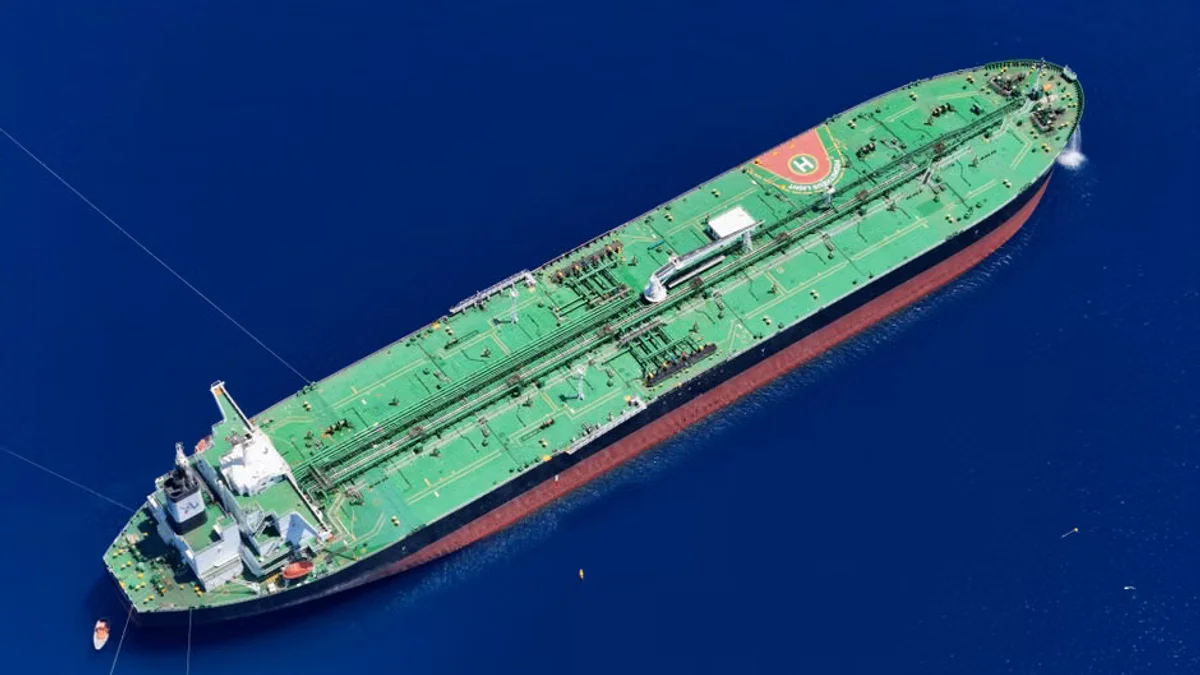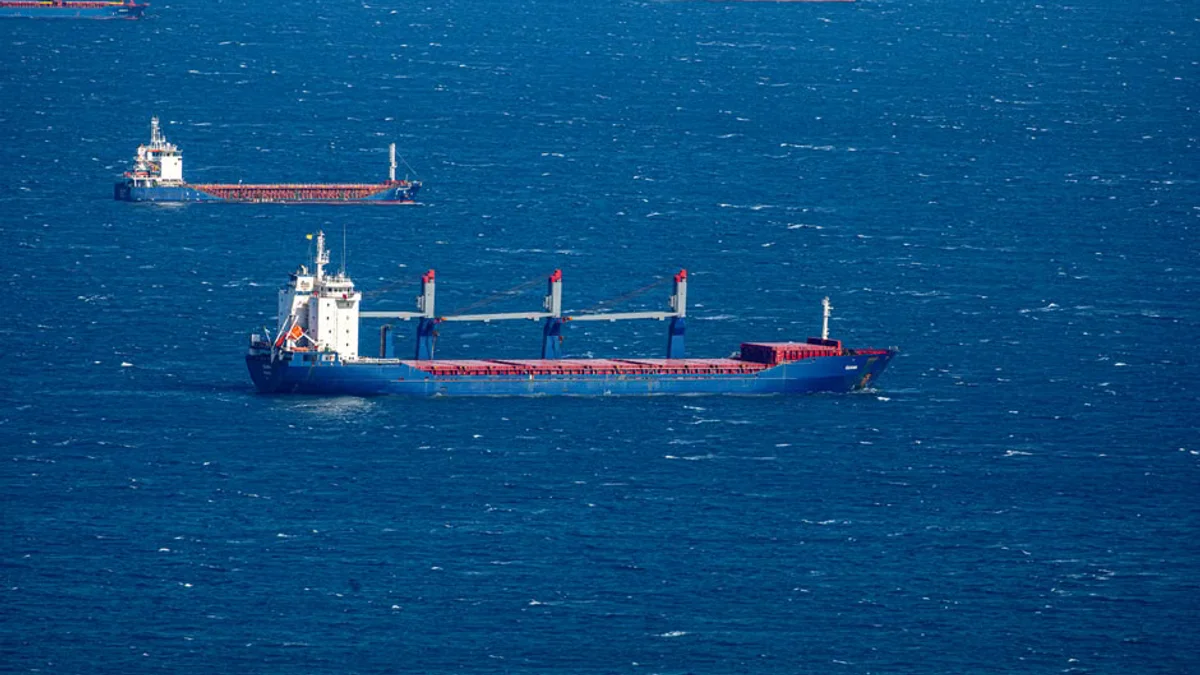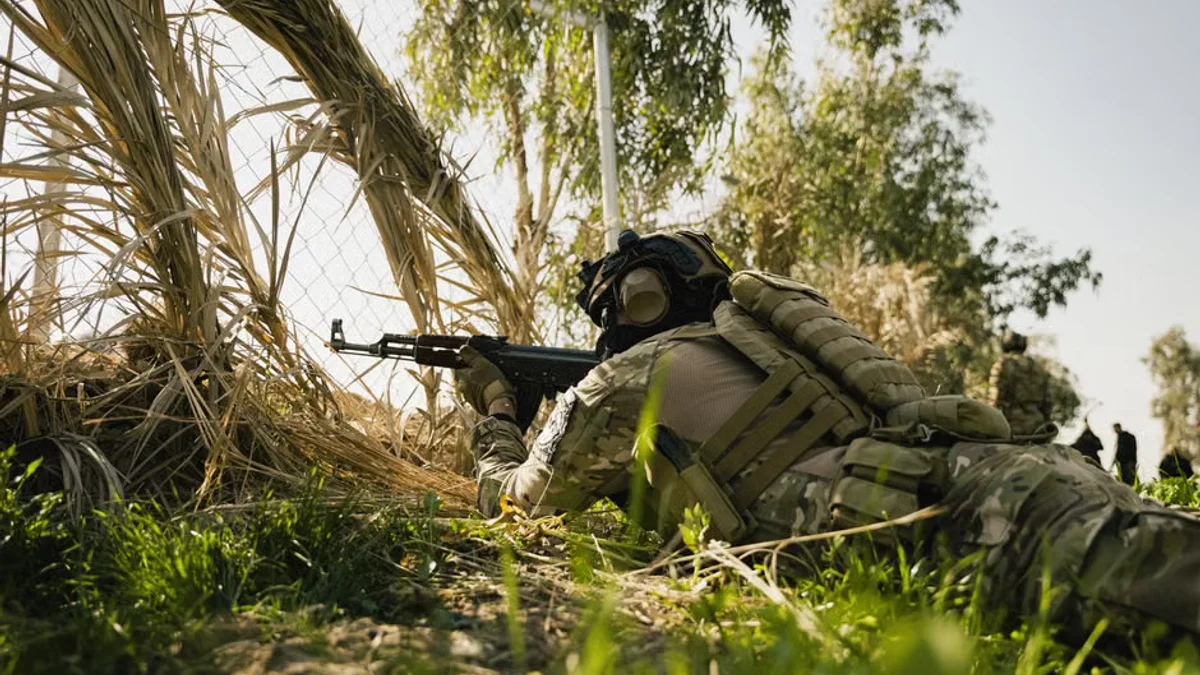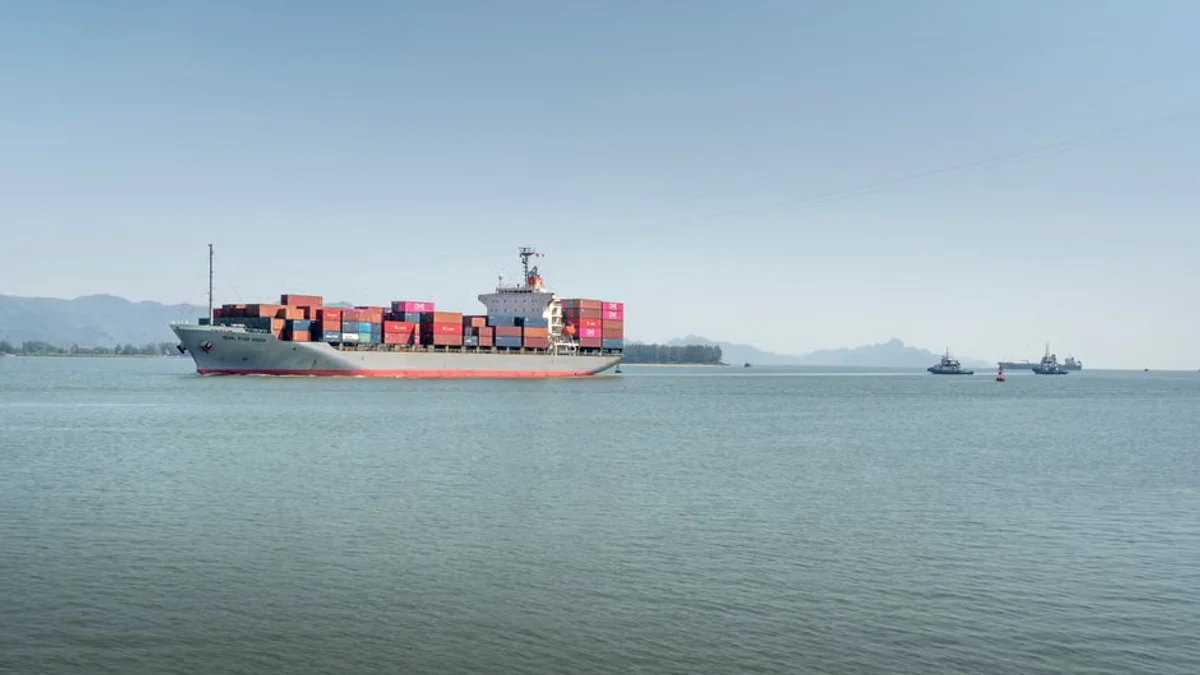
International maritime trade experienced a major shock this week following the confirmation that a commercial container vessel has sunk in the vital Strait of Hormuz. Defense analysts and shipping authorities report that the incident stems from an aggressive escalation in targeted attacks within the critical waterway, through which a substantial portion of the world's petroleum supply flows daily.
The sinking has immediately triggered heightened security protocols across international naval task forces stationed in the Persian Gulf and surrounding waters. Commercial shipping lines have begun rerouting vessels or temporarily suspending transits, raising immediate concerns over potential inflationary pressures on global energy markets, crude oil futures, and international freight rates.
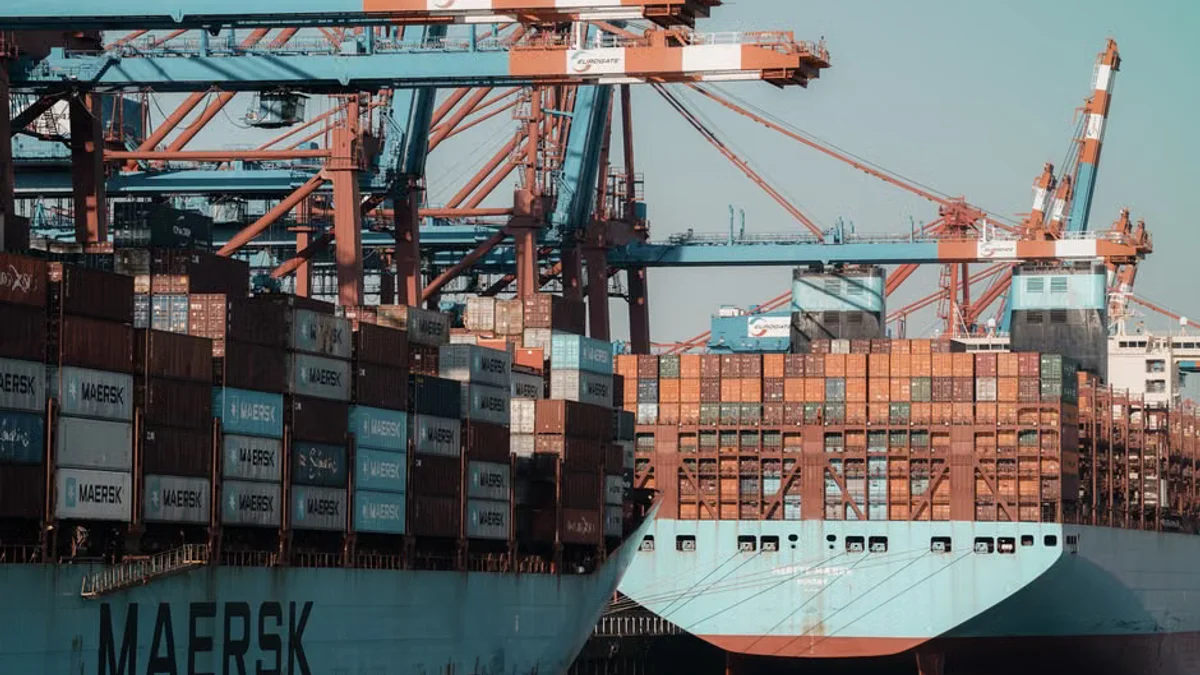
Geopolitical tensions in the region have steadily intensified as diplomatic channels struggle to de-escalate ongoing confrontations involving state and non-state actors. Energy economists warn that sustained instability in the Strait of Hormuz could severely impact industrial supply chains throughout North America, Europe, and Asia, compelling governments to evaluate emergency reserves and enhanced armed escort options for cargo fleets.
Maritime insurance providers have simultaneously announced emergency surcharges for voyages through the Persian Gulf, reflecting the rapidly deteriorating security landscape. Officials from major trading nations have called for an immediate cessation of hostilities to protect innocent seafarers and safeguard international commerce.
Key Highlights
- A commercial container ship was confirmed sunk in the strategic Strait of Hormuz.
- The incident highlights a sharp escalation in regional attacks threatening global energy flows.
- Shipping lines are swiftly rerouting cargo vessels, sparking fears of increased freight and oil prices.
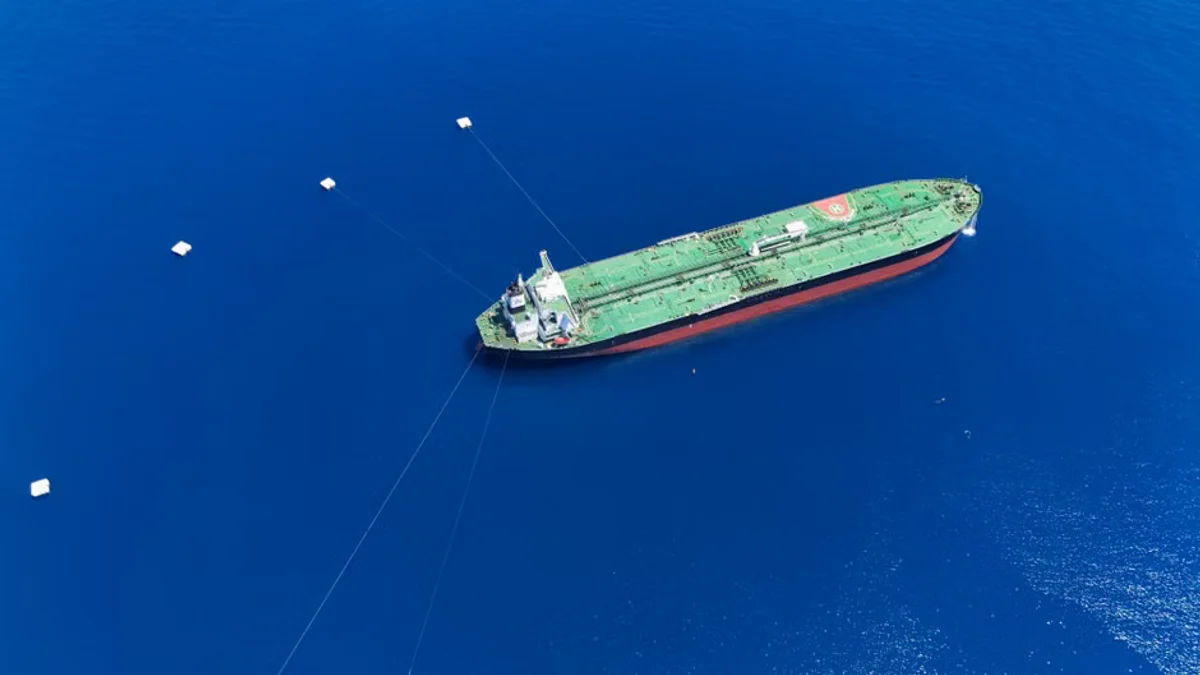
As naval patrols increase monitoring operations, the international community faces mounting pressure to secure one of the world's most critical economic arteries.