Global energy markets and naval defense alliances are on high alert following a violent incident in the Strait of Hormuz, where an oil tanker was set ablaze after coming under attack. The maritime emergency marks the third major vessel targeted in the strategic waterway within days, following the sinking of two commercial bulk carriers in regional international waters.
Naval coalition forces stationed in the Gulf region dispatched emergency firefighting units and rescue choppers to evacuate merchant sailors from the burning vessel. Preliminary maritime reports indicate the tanker was hit by unmanned aerial drones and anti-ship projectiles, igniting cargo bays containing crude oil derivatives and creating severe navigational hazards.
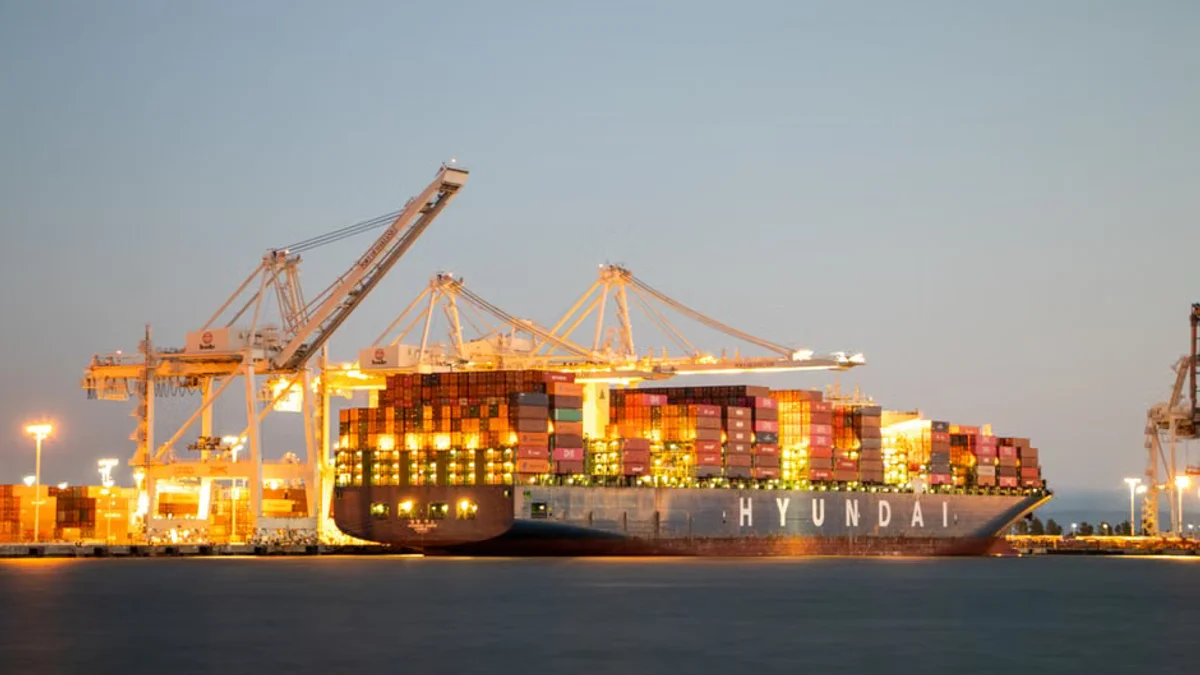
The Strait of Hormuz is the world's most vital oil transit choke point, carrying roughly one-fifth of global petroleum supply daily. News of the latest attack caused immediate volatility on energy exchanges, driving Brent crude oil prices upward as insurance underwriters suspended standard maritime coverage for commercial vessels navigating through the strait without military escort.
International shipping consortiums are demanding immediate naval protection convoys and diplomatic intervention to secure vital shipping lanes. Analysts caution that persistent maritime hostilities risk triggering widespread supply chain disruptions and broader geopolitical confrontations across the Middle Eastern maritime corridor.
Key Highlights
- Commercial oil tanker catches fire in the Strait of Hormuz following drone and missile strikes.
- Incident follows the sinking of two merchant vessels in international shipping corridors within days.
- Brent crude oil prices spike as maritime insurers freeze standard coverage in the Persian Gulf.
With critical global energy supply lines under direct threat, international naval forces face escalating pressure to restore security across key maritime transit points.