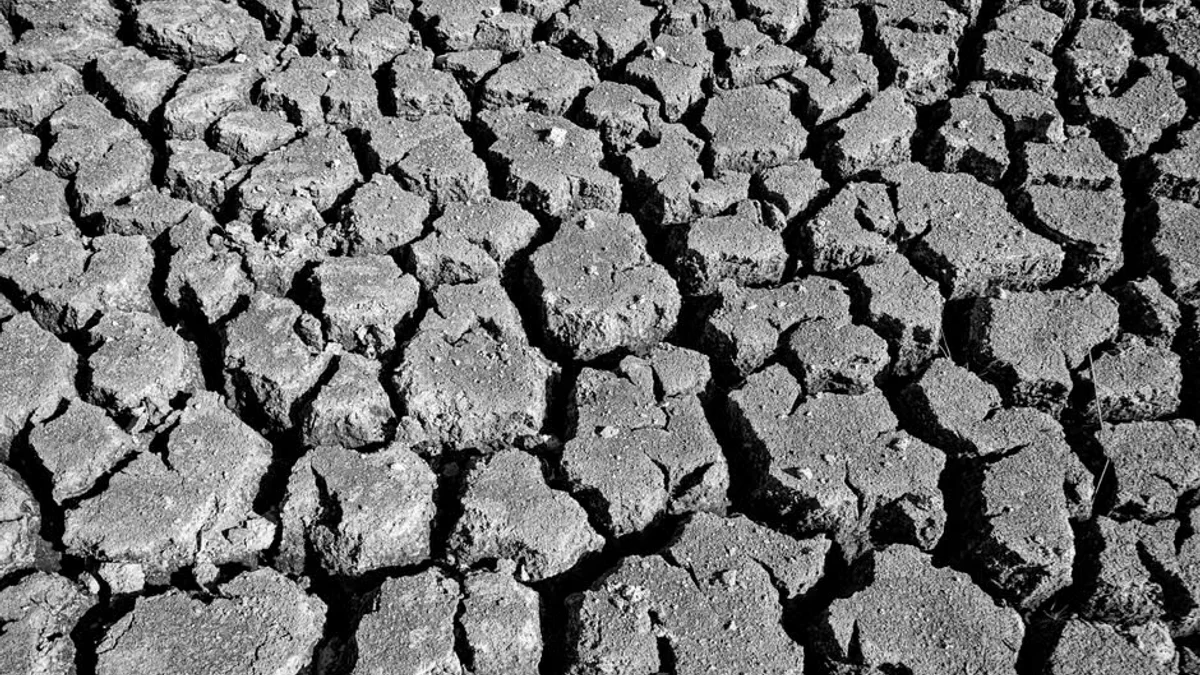
Washington — A relentless barrage of extreme weather events across the globe has thrust environmental discussions back to the forefront of international media. From severe droughts impacting agricultural supply chains to sudden, violent storms causing infrastructure failures in major metropolitan areas, public anxiety regarding accelerating climate volatility is visibly manifesting in search trends worldwide.
Environmental scientists meeting at preparatory forums ahead of upcoming global climate summits warn that current emission reduction timelines are failing to keep pace with atmospheric warming. Economic losses resulting from weather-related catastrophes have surged into the hundreds of billions of dollars, prompting insurance conglomerates to reevaluate risk models and, in some high-risk regions, withdraw coverage entirely.
"The conversation has fundamentally shifted from theoretical future projections to immediate economic survival," stated Dr. Aris Thorne, a senior climatologist. "Governments and corporations can no longer treat climate resilience as an optional corporate social responsibility initiative; it is now a core requirement for national security and economic continuity."
Diplomatic channels are currently working overtime to broker consensus on international climate finance packages aimed at helping developing nations transition to renewable energy grids. However, deep political divisions among major industrial economies continue to hinder cohesive, binding global action.
Key Highlights
- Accelerating extreme weather events drive massive global public engagement and search interest.
- Insurance and financial sectors face severe systemic risks from climate-related disasters.
- Pressure mounts on international governments to deliver concrete funding and emission targets.

As meteorological systems grow increasingly volatile, the global community faces an uncompromising deadline to adapt economic frameworks to a rapidly changing planetary reality.