
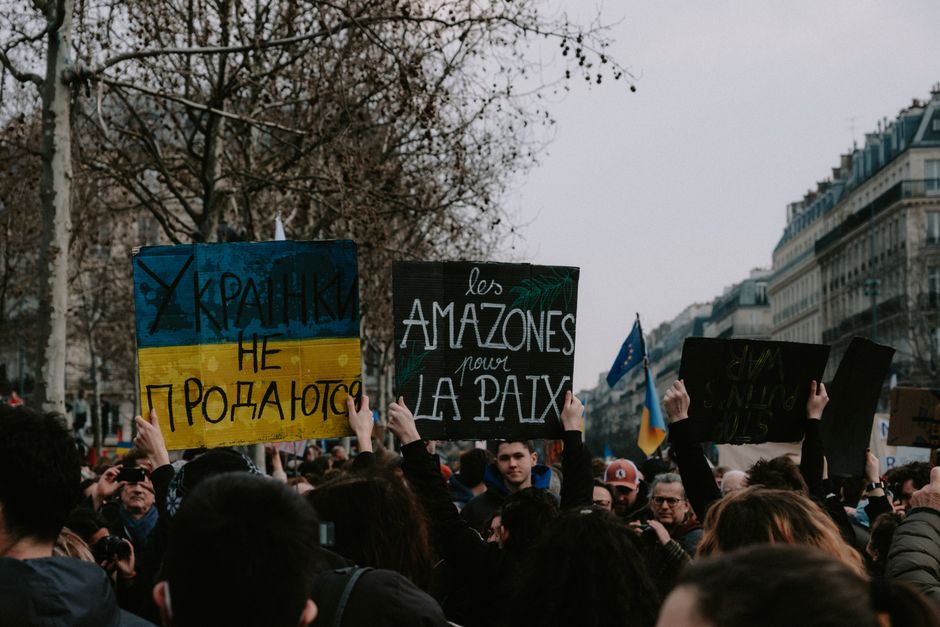
PARIS — A fresh wave of nationwide demonstrations has paralyzed key sectors across France, drawing thousands of workers, students, and union members into the streets. The unrest highlights a deepening chasm between the public and government leadership over fiscal reforms, soaring inflation, and mounting economic anxiety across the European Union.
Labor unions spearheaded the coordinated walkouts, halting major public transportation networks, disrupting educational institutions, and slowing down industrial output. Protesters are demanding immediate relief measures to counter shrinking purchasing power, arguing that recent government austerity proposals disproportionately burden the working class.
International observers note that the strikes come at a delicate political juncture for the French administration, which is striving to balance national deficit targets against mounting social instability. The European Commission is closely monitoring the situation, as prolonged disruptions in the eurozone's second-largest economy could ripple across broader continental markets.
Government officials have urged calm, emphasizing that dialogue remains open with union representatives to address legitimate economic grievances. However, labor leaders have warned of indefinite escalations if their core demands regarding wage adjustments and pension safeguards are not formally addressed in upcoming legislative sessions.
Key Highlights
- Nationwide strikes disrupt public transport, education, and industry across France.
- Protesters demand immediate action against inflation and sliding purchasing power.
- European markets monitor the unfolding social unrest for potential economic fallout.
As the standoff continues, the administration faces immense pressure to navigate the crisis without triggering a deeper political crisis that could destabilize its broader European policy agenda.


