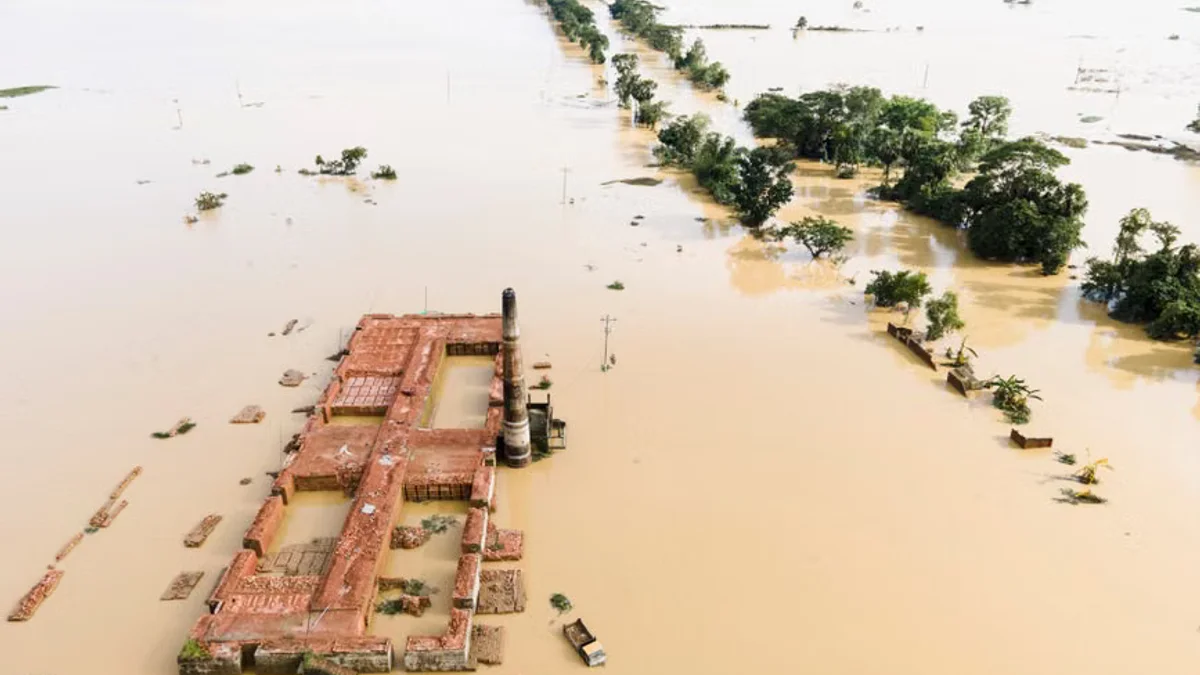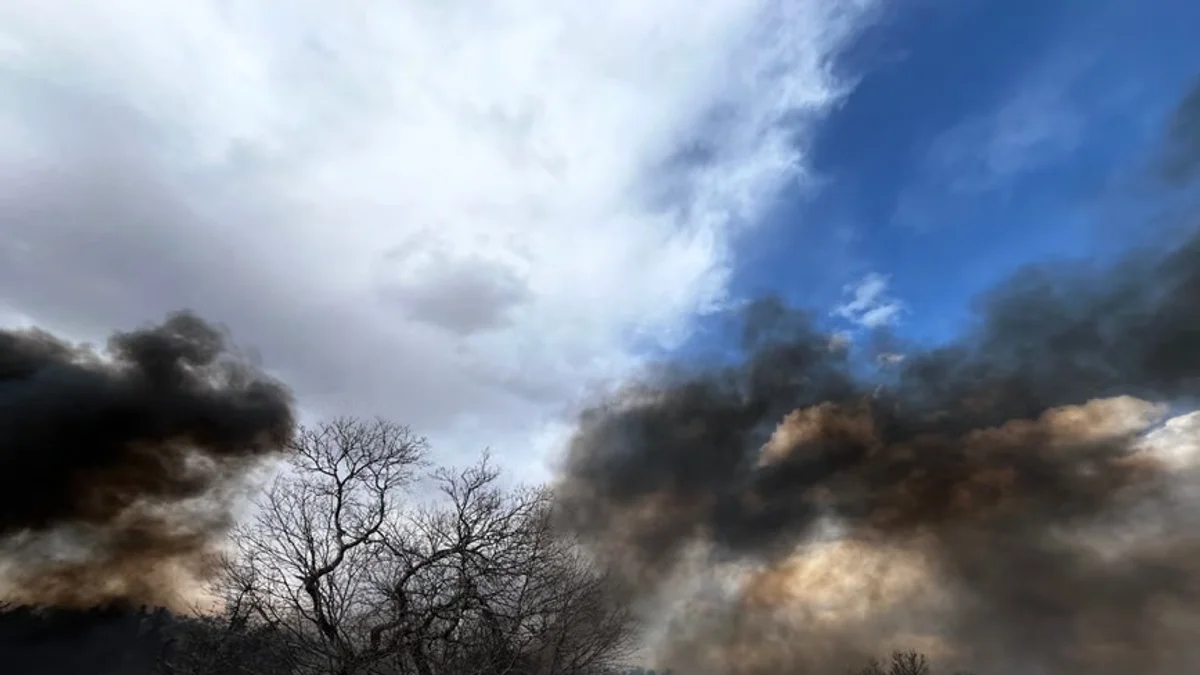
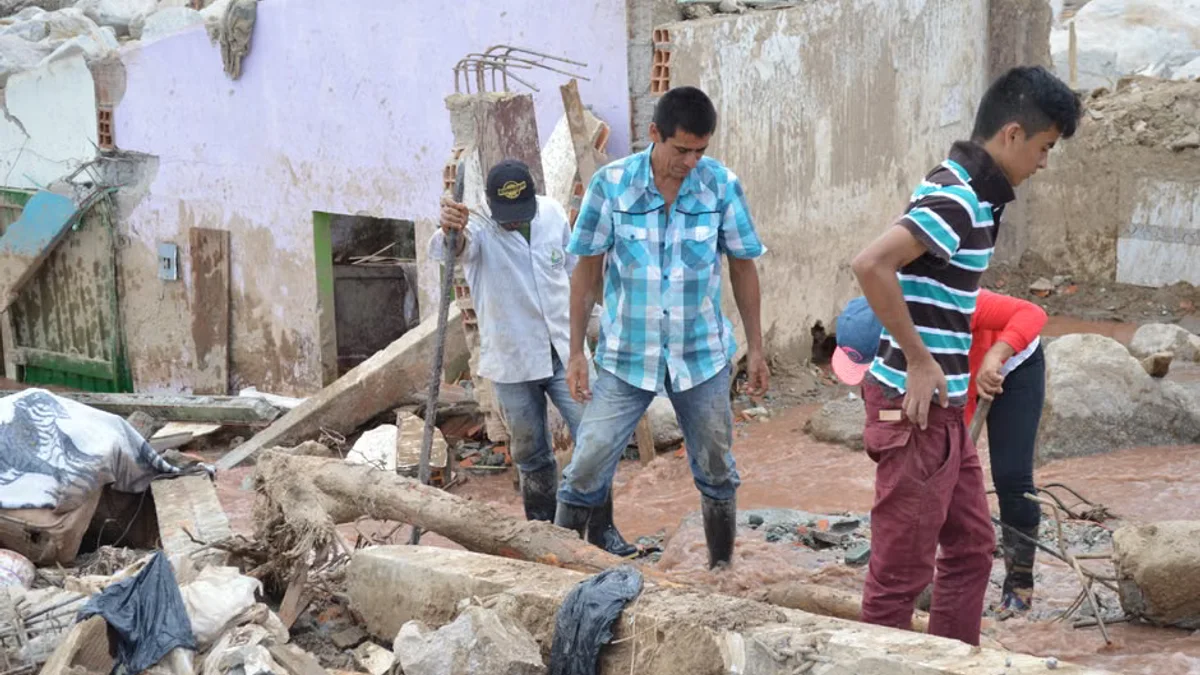
Torrential rainfall across central and eastern Nepal has triggered catastrophic flash flooding and landslides, washing away arterial bridges, inundating residential districts, and claiming dozens of lives over a 48-hour period. Humanitarian agencies and international disaster response coordinators are scrambling to deliver emergency aid to mountainous communities cut off by cascading mudslides.
Rivers including the Bagmati and Koshi swelled past danger thresholds following unprecedented late-season rainfall patterns. In the Kathmandu Valley, low-lying neighborhoods were submerged under several feet of water, forcing military and armed police personnel to deploy rubber dinghies and helicopters to pluck stranded residents from rooftops. Critical national highways connecting the capital to the rest of the country remain obstructed by debris, stalling supply chains and emergency medical convoys.
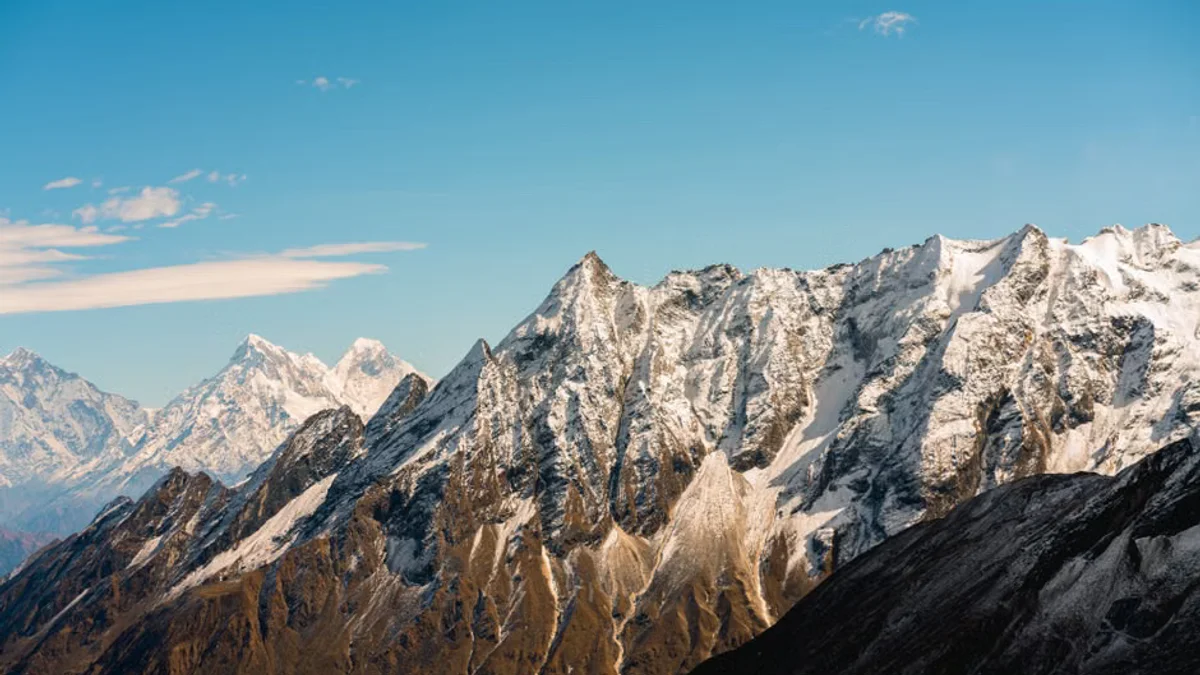
Meteorologists and environmental scientists point to accelerating climate volatility as a primary driver behind the extreme precipitation. The Hindu Kush Himalayan region is experiencing increasingly erratic weather phenomena, where warmer atmospheric temperatures retain higher moisture volumes, discharging destructive deluges onto vulnerable terrains ill-equipped for rapid water drainage.
Key Highlights
- Widespread Inundation: Critical river systems breached banks across Kathmandu and eastern districts, stranding thousands of households.
- Extensive Infrastructure Damage: Landslides severed vital highway corridors, complicating regional relief and evacuation efforts.
- Climate Vulnerability: Environmental researchers warn that extreme weather variability poses existential threats to Himalayan infrastructure.
As recovery operations proceed under adverse weather forecasts, the international community has pledged assistance to bolster search, rescue, and rehabilitation efforts for affected populations.