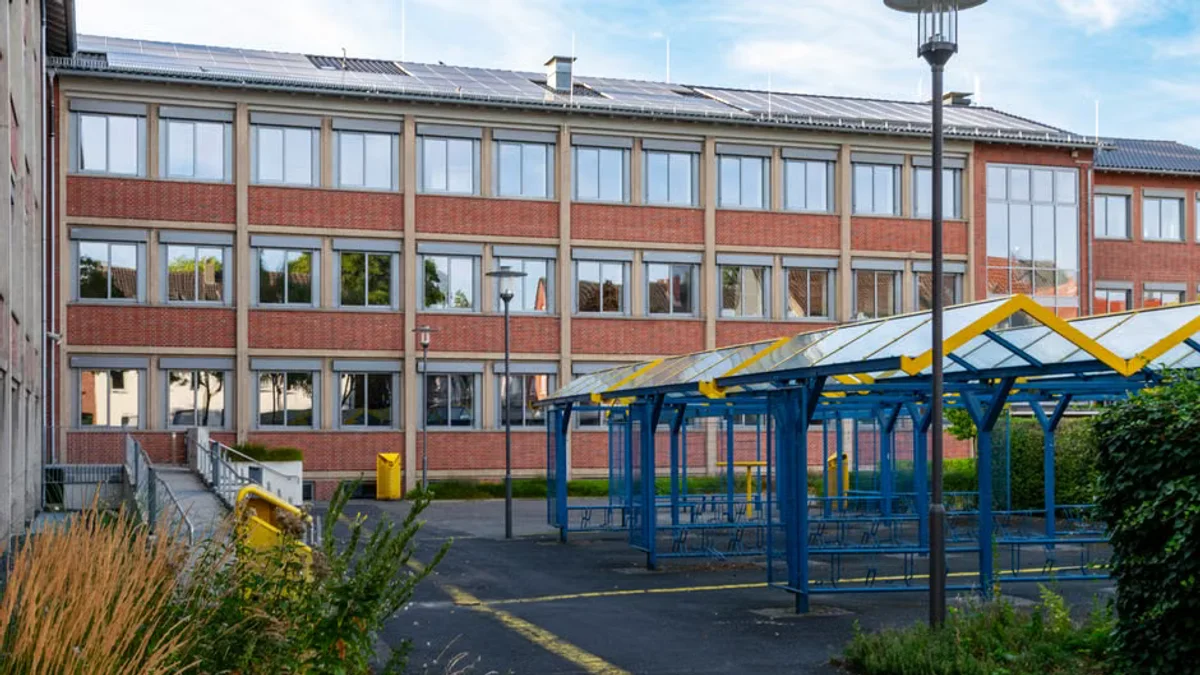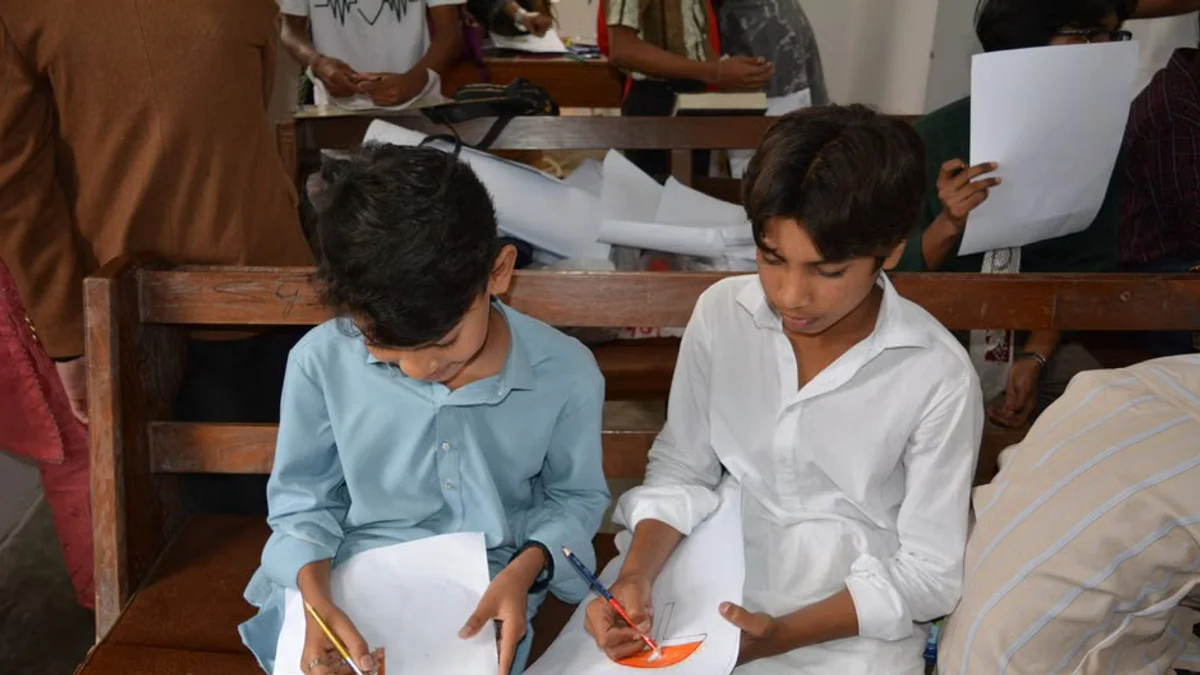
A devastating tragedy unfolded on Tuesday when the roof of a primary school collapsed, resulting in the deaths of at least 32 children and leaving dozens of others severely injured. The incident has sent shockwaves across the region, prompting urgent investigations into building standards and institutional negligence.
Local authorities and disaster management teams rushed to the site, deploying heavy machinery and rescue dogs to sift through tons of concrete and twisted metal. Eyewitnesses reported that the building was decades old and had suffered from water seepage during recent heavy monsoon seasons, structural vulnerabilities that local residents claim were repeatedly reported to municipal officials.

'We heard a deafening roar, and within seconds, the entire structure caved in on the classrooms,' said a local community volunteer participating in the rescue efforts. 'It is heartbreaking to pull innocent children from the wreckage who only went to school to learn.' Hospitals in the vicinity declared emergencies, calling in off-duty surgeons and appealing for blood donations to cope with the influx of critically wounded victims.
National leaders have expressed profound grief over the disaster, announcing financial compensation for the bereaved families and vowing a transparent judicial inquiry. However, civil society groups argue that reactive compensation is insufficient, demanding systemic reforms to inspect and retrofit thousands of dilapidated school buildings nationwide.
Key Highlights
- At least 32 children confirmed dead in the catastrophic structural collapse.
- Rescue operations face severe challenges due to heavy debris and tight urban layouts.
- Local authorities face intense scrutiny over ignored warnings regarding building safety.
- National government announces emergency compensation and a sweeping infrastructure audit.

As communities mourn this profound loss, the disaster serves as a grim reminder of the urgent need for stringent regulatory oversight and investment in public infrastructure safety across developing regions.