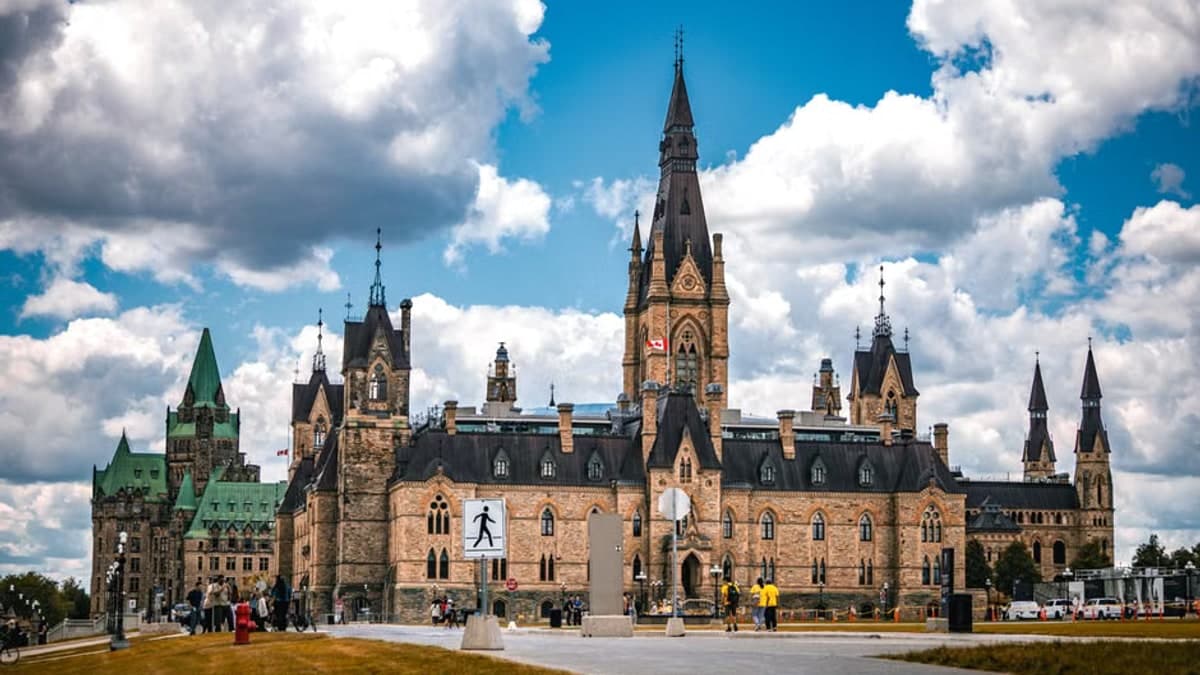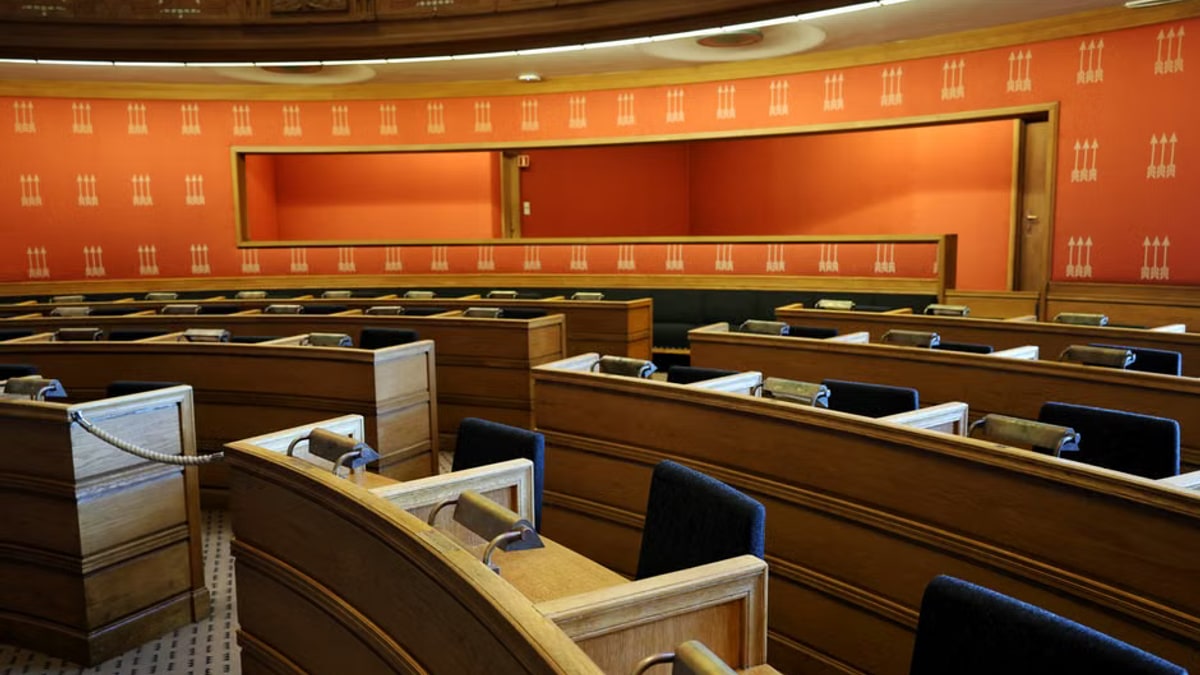
The political pulse in Quebec is accelerating rapidly as key opposition figures, including Parti Québécois Leader Paul St-Pierre Plamondon and Conservative Party of Quebec Leader Éric Duhaime, ramp up preparations for the 2026 provincial electoral race. Recent public opinion trends and fierce legislative debates over provincial identity, taxation, and public services have put the governing Coalition Avenir Québec (CAQ) under intense scrutiny.
Political analysts note that the debate surrounding electoral maps and regional representation has become a central point of contention. Opposition parties argue that current frameworks fail to adequately reflect shifting demographic realities across suburban and urban centers, potentially skewing future legislative outcomes. St-Pierre Plamondon has particularly emphasized the necessity of addressing sovereignty and economic resilience as core tenets of his party's platform, appealing directly to voters disenchanted with the status quo.
Meanwhile, public discussions continue to center around fiscal responsibility and the management of public healthcare systems. As parties begin releasing preliminary policy white papers and organizing grassroots campaigns, the 2026 election is shaping up to be one of the most unpredictable and fiercely contested political showdowns in the province's modern history.
Key Highlights
- Opposition leaders focus heavily on economic policy and provincial autonomy ahead of 2026.
- Discussions around electoral map revisions spark intense legislative debates in Quebec.
- The governing CAQ faces mounting pressure from both nationalist and conservative factions.
As campaigns formalize in the coming months, voter turnout and regional policy priorities will dictate the trajectory of Quebec's political future.