A high-stakes political debate is unfolding in Washington following discussions surrounding former and prospective executive pardon strategies tied to upcoming midterm electoral cycles. Political analysts suggest that leveraging executive clemency powers could become a central instrument in mobilizing core voter constituencies and cementing loyalty within key legislative districts.
Proponents of the strategy argue that executive pardons have historical precedents as tools of political reconciliation and pushback against what supporters term institutional overreach. However, critics from across the political spectrum contend that deploying pardons as an explicit campaign strategy risks undermining institutional norms and judicial independence. The ongoing discourse highlights deep polarization within the federal legislative apparatus.

'The intersection of executive authority and electoral politics remains one of the most powerful pressure points in American governance,' notes senior political historian Marcus Sterling. 'How leadership frames these decisions can fundamentally alter voter turnout and fundraising efficacy.' As both parties gear up for fierce congressional contests, campaign planners are closely monitoring polling data to gauge public sentiment on executive powers.
Key Highlights
- Executive clemency discussions gain prominence ahead of upcoming congressional midterms.
- Constitutional scholars debate the ethical and legal boundaries of politically timed pardons.
- Political campaigns prepare messaging strategies centered on institutional governance.
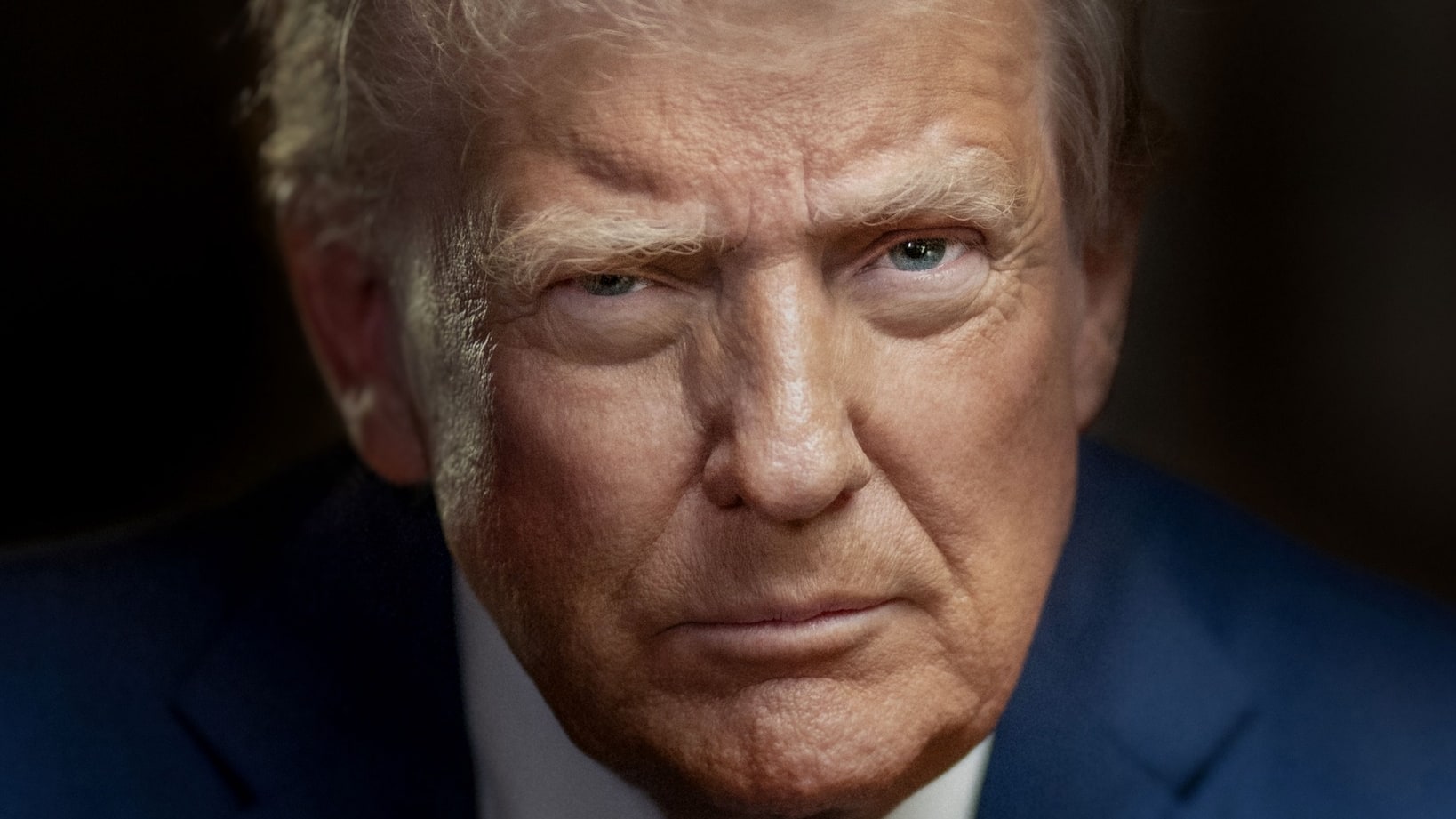
Ultimately, the unfolding debate underscores the fragile balance between executive privilege and electoral accountability, setting the stage for a contentious legislative season.