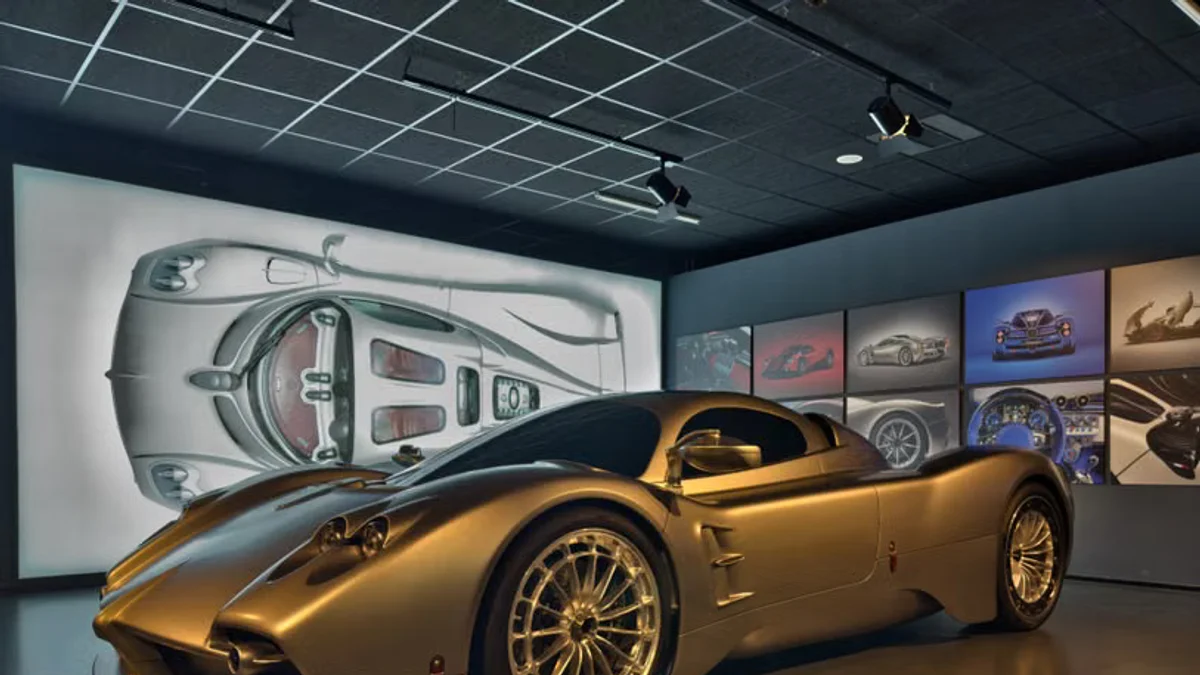
The automotive world is reacting to unprecedented technical specifications highlighted for the long-delayed next-generation Tesla Roadster. According to recent technical briefings and commentary, the flagship EV incorporates cold-gas thruster technology engineered alongside SpaceX, enabling acceleration from 0 to 60 mph in under a single second, alongside theoretical inverted driving capabilities under extreme downforce simulation.
Automotive engineers and physics experts have immediately dissected the sheer mechanics required to achieve sub-second acceleration in a road-legal passenger vehicle. Standard rubber tire traction limits physically prevent such acceleration through wheel rotation alone, necessitating specialized pneumatic auxiliary thrusters. The integration of high-pressure air thrusters hidden behind the vehicle's frame represents a radical departure from traditional hypercar manufacturing.
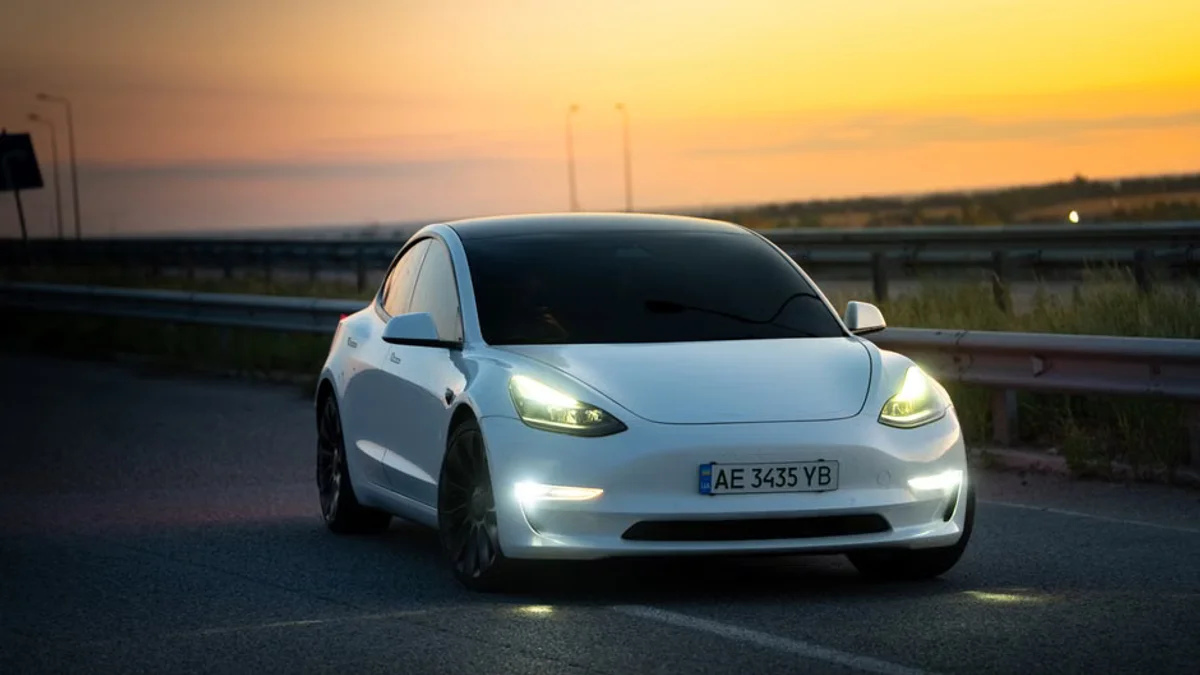
Market reaction across automotive tech circles has been split between enthusiastic admiration for boundary-pushing innovation and cautious skepticism regarding regulatory approval and safety standards. Federal highway administration regulators and global transport safety authorities face novel questions regarding high-pressure compressed air systems integrated into commercial road vehicles.
Despite production timelines facing repeated delays since its initial reveal, the updated engineering capabilities re-establish Tesla's desire to maintain its halo vehicle as a technological bellwether. The development underscores an escalating global arms race among EV manufacturers seeking to merge aerospace dynamics with traditional automotive platforms.
Key Highlights
- Next-generation Tesla Roadster targets sub-1.0 second 0-60 mph acceleration utilizing SpaceX cold-gas thruster tech.
- Pneumatic thrust systems overcome physical tire friction limits on road vehicles.
- Regulatory agencies closely monitor safety and road-legal compliance for auxiliary propulsion systems.
As EV performance reaches theoretical physical boundaries, Tesla's thruster-assisted approach opens an unprecedented chapter in high-performance automotive engineering.