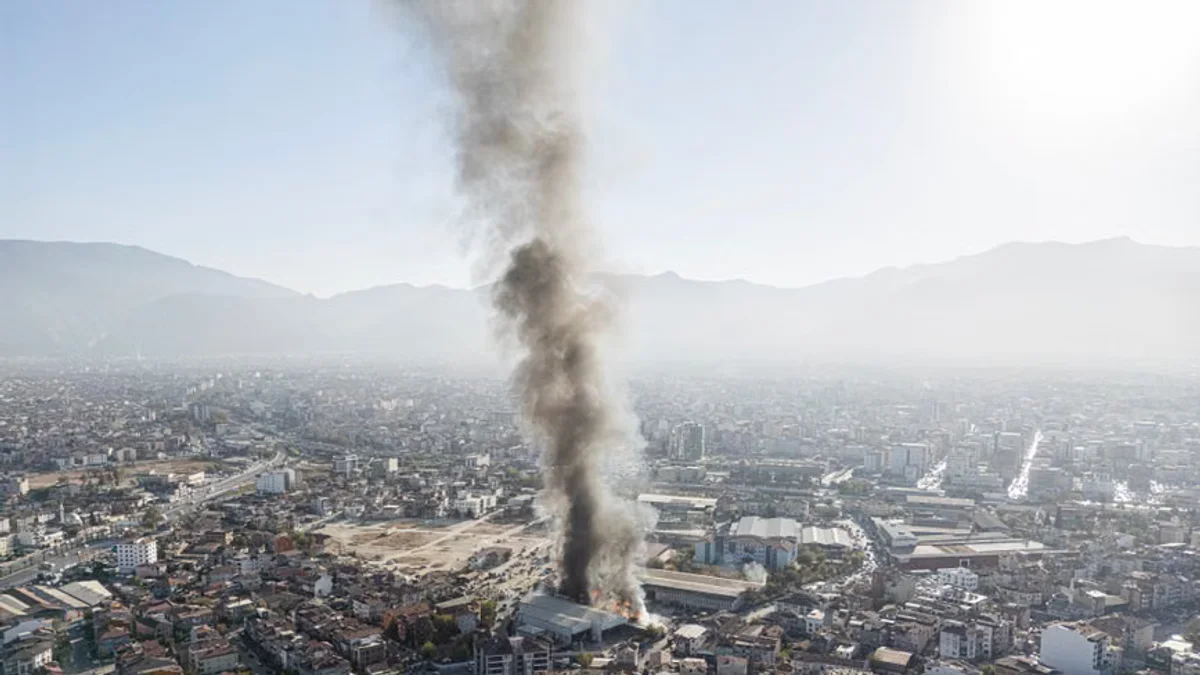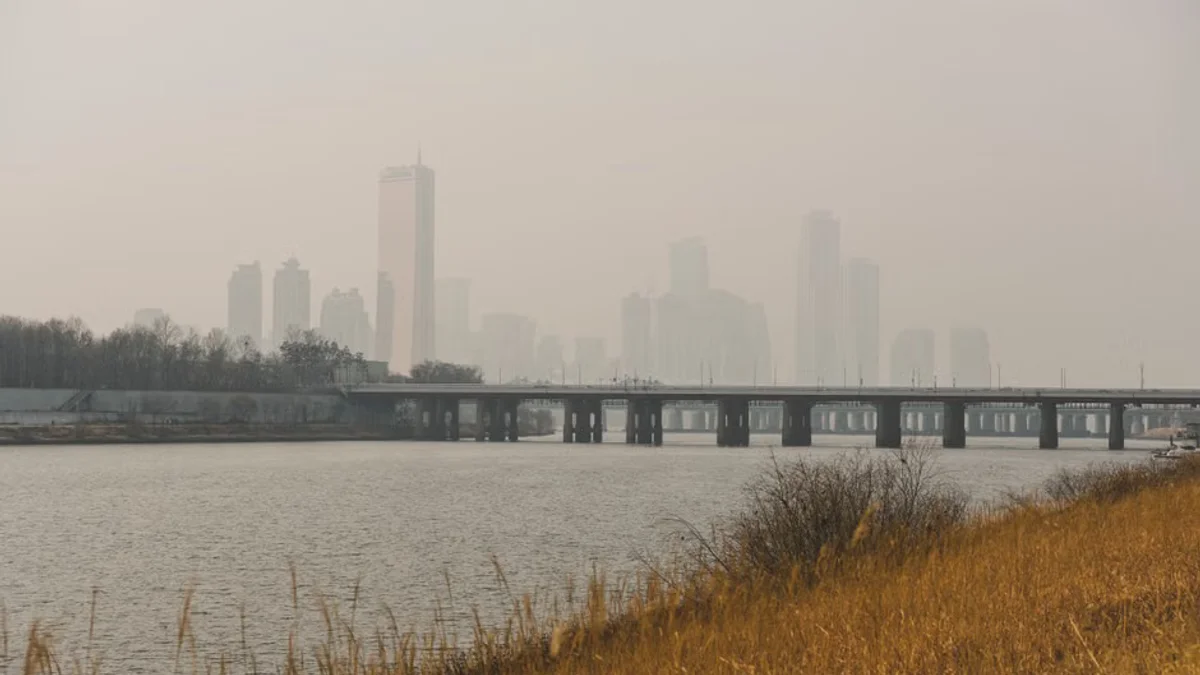
Singapore and neighboring Southeast Asian countries are once again confronting the annual environmental threat of transboundary haze, as satellite data detects a sharp uptick in hotspots across the region. Air quality index readings in several urban centers have climbed into unhealthy brackets, prompting swift reactions from local environmental protection agencies and public health officials.
The recurring phenomenon, largely driven by agricultural land-clearing practices and exacerbated by prolonged dry weather patterns, continues to strain cross-border diplomatic relations. Environmental ministers from affected ASEAN nations have convened emergency virtual briefings to coordinate monitoring efforts and pressure regional stakeholders into adopting stricter fire-prevention protocols. However, enforcement challenges in remote sectors remain a persistent hurdle.
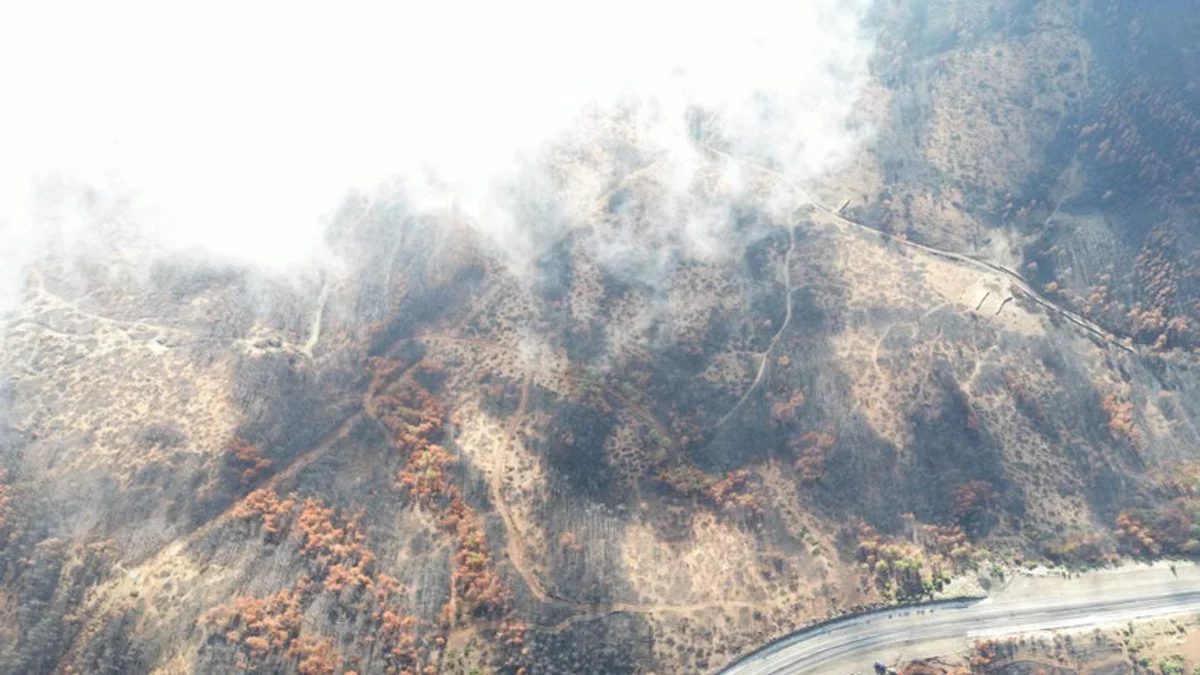
Public health authorities in Singapore have issued advisory notices recommending that vulnerable populations, including the elderly and those with pre-existing respiratory conditions, limit prolonged outdoor exertion. Meanwhile, commercial enterprises and outdoor venues are monitoring real-time PSI readings closely, deploying air filtration systems and contingency plans to mitigate workplace disruption.
Key Highlights
- Transboundary haze triggers unhealthy air quality readings across Singapore and parts of Southeast Asia.
- ASEAN environmental ministers hold emergency briefings to address agricultural fire prevention.
- Public health advisories issued for vulnerable demographics as particulate matter concentrations rise.
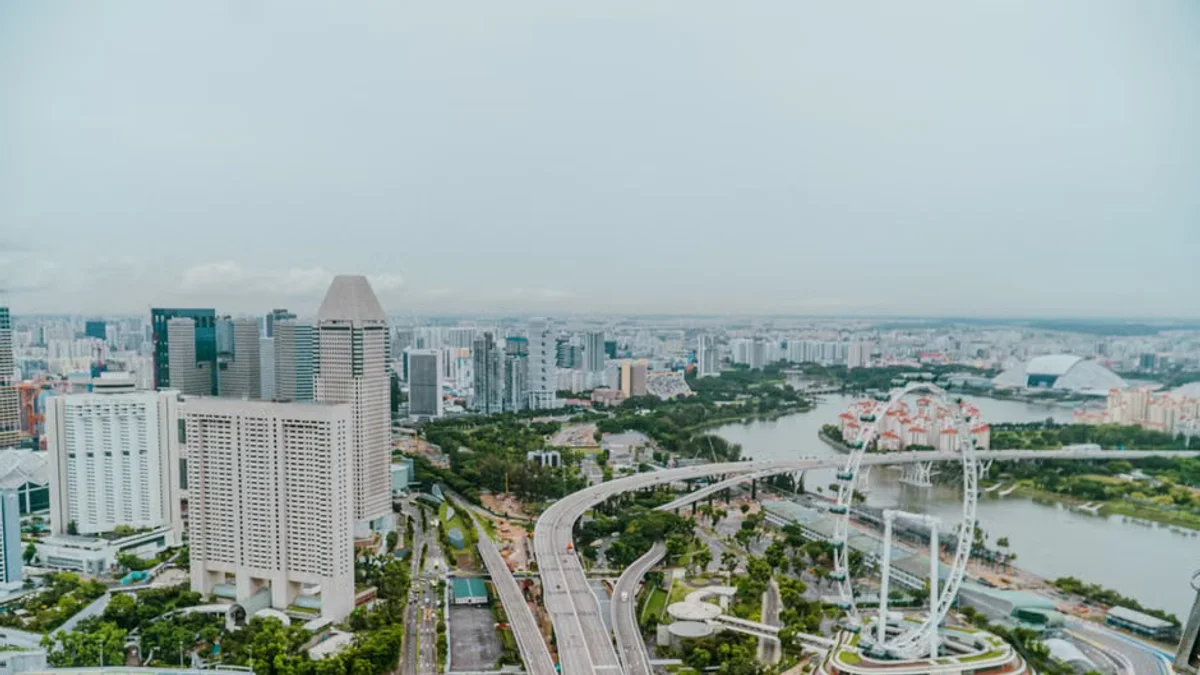
As climate volatility intensifies dry spells across the tropics, long-term economic and ecological resilience will hinge on binding regional pacts and aggressive satellite monitoring systems to curb illegal burning before seasonal winds carry the pollutants across borders.