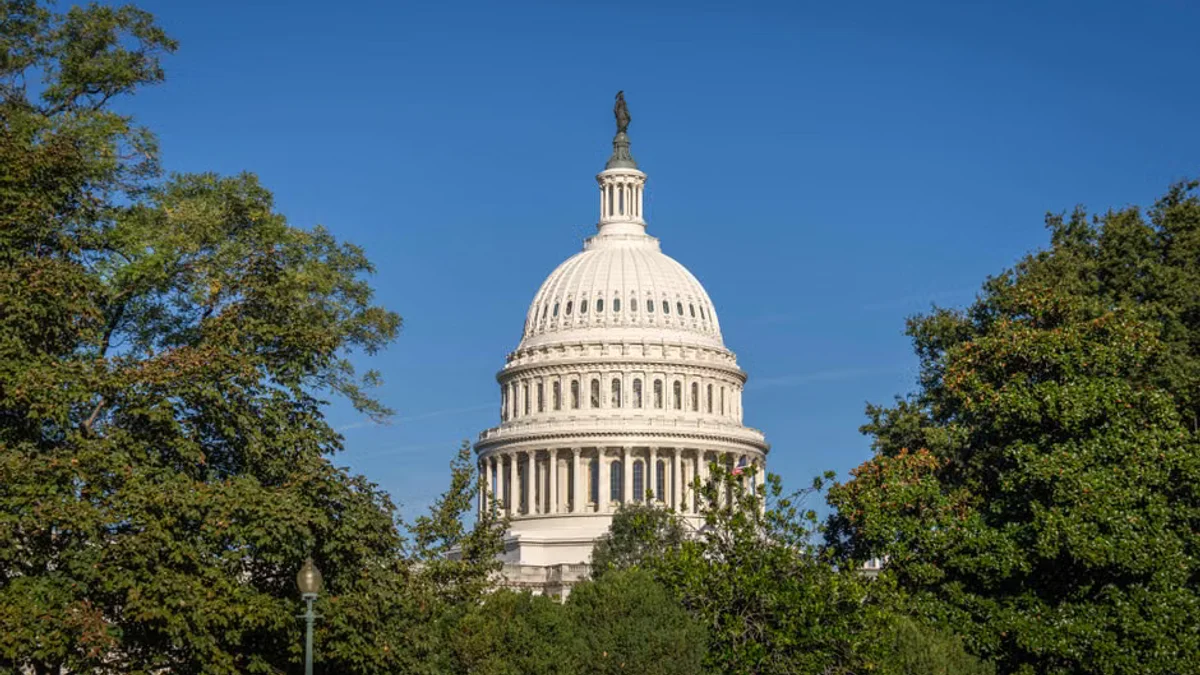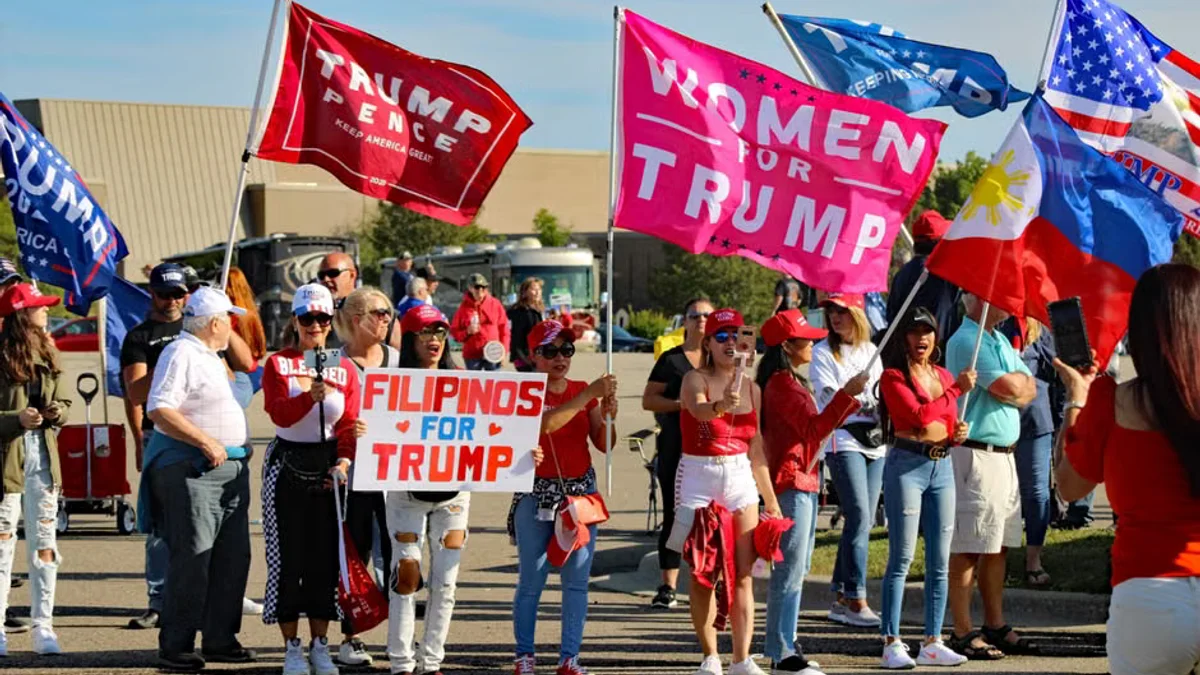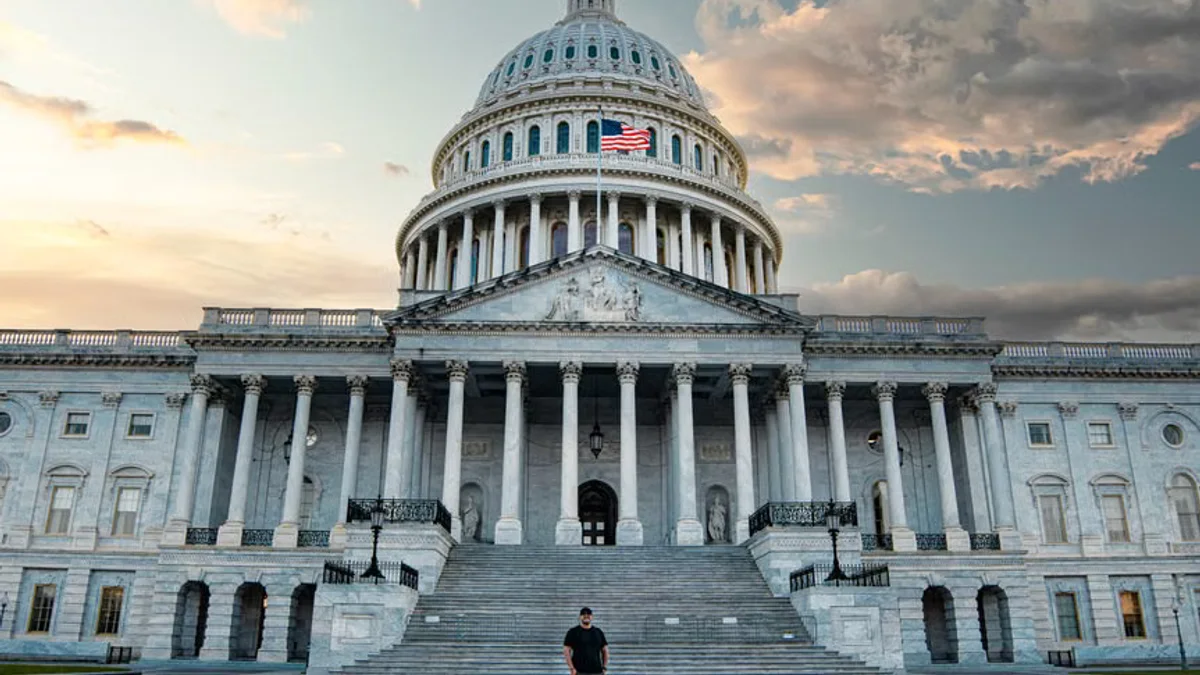
Political tensions in Washington reached a fever pitch following widespread public outcry over a controversial social media video shared by Donald Trump. The footage, which depicts a man being attacked by a captive tiger, instantly sparked global condemnation from animal welfare organizations, civil rights advocates, and political opponents alike.
Critics argue that sharing graphic and violent imagery sets a dangerous standard for public discourse and normalizes cruelty. Democratic congressional leaders issued formal statements demanding explanations from campaign staff, while several moderate Republican lawmakers privately expressed frustration over the ongoing distractions caused by erratic digital communications.
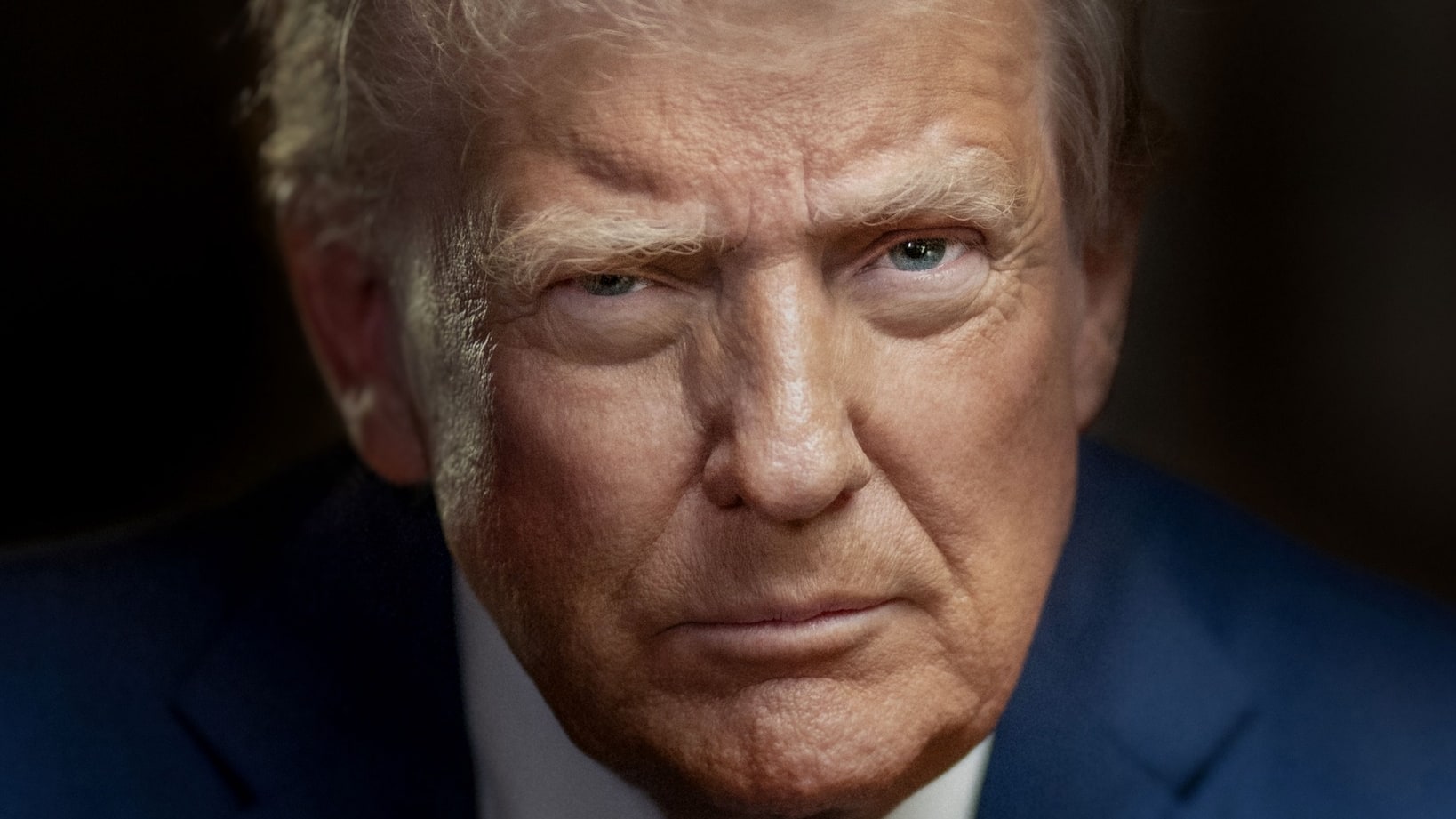
Digital media experts note that the post exemplifies the high-stakes, algorithm-driven nature of modern political messaging, where shock value often supersedes traditional norms of decorum. Despite mounting pressure from political pundits to issue an apology or clarification, representatives for Trump defended the post as satirical commentary, though they declined to elaborate further on its intended meaning.
The incident highlights the volatile intersection of social media platforms and high-level political strategy, raising fresh questions regarding content moderation standards for verified public figures. As the 2027 legislative agenda heats up, political analysts predict this controversy will remain a talking point in upcoming campaign debates.
Key Highlights
- Donald Trump shares controversial tiger attack video on social media.
- Widespread bipartisan and international condemnation ensues.
- Campaign defends post as satire amid demands for accountability.
As fallout continues across major news networks, the episode serves as a stark reminder of the immense power and peril of unvetted digital publishing in contemporary politics.