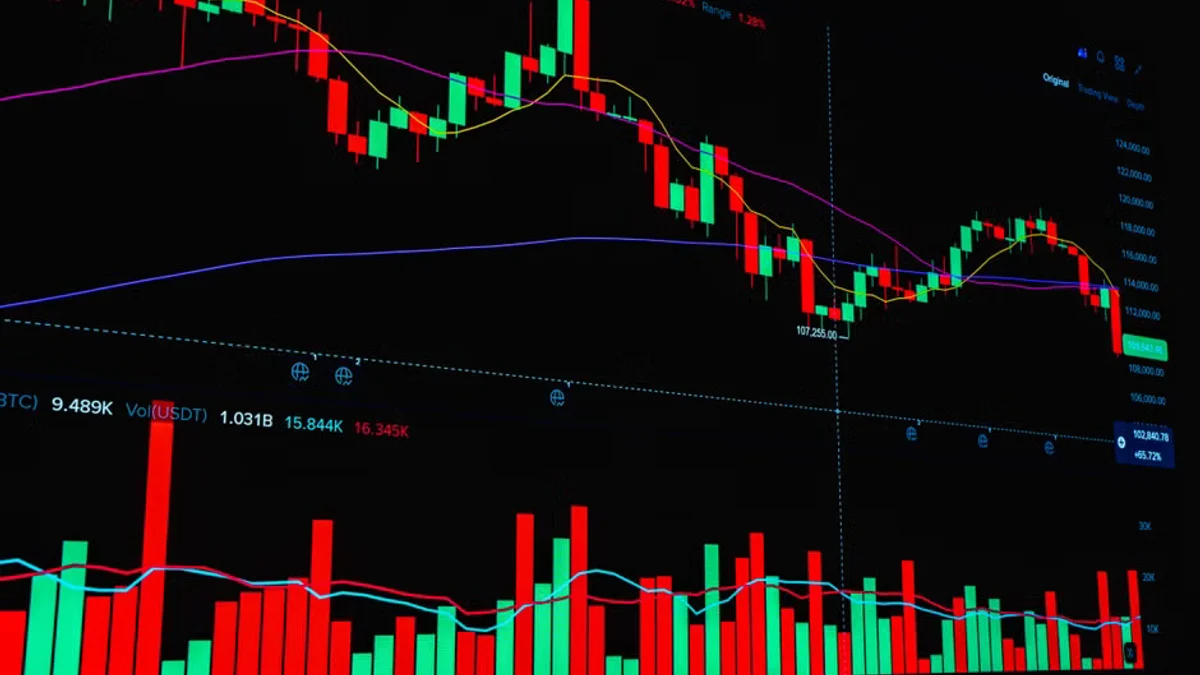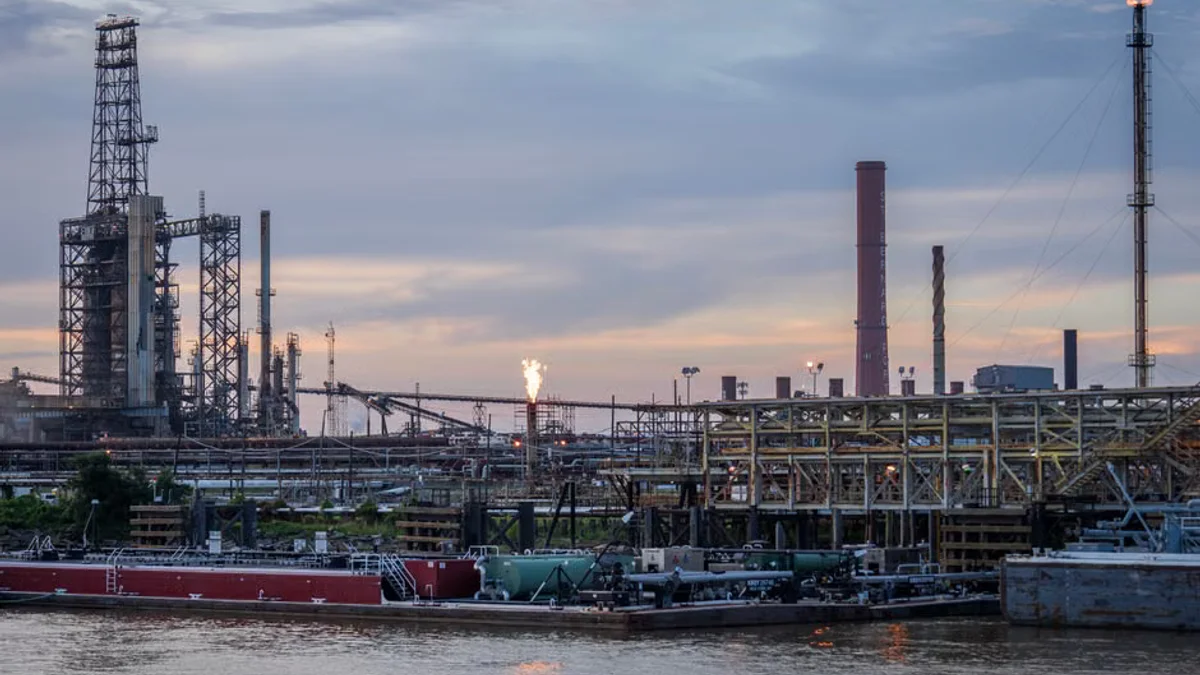
International diesel and refined product markets experienced a significant downward pricing correction this week, following sweeping declarations by President Donald Trump regarding a brokered 'energy ceasefire' tied to the ongoing conflict in Ukraine. Commodity exchanges in London and New York registered immediate sell-offs as crude and distillate futures responded to lower projected risk premiums. Analysts note that the diplomatic breakthrough, if solidified, could dismantle longstanding restrictions and bottlenecks affecting Black Sea energy transit.
For months, European manufacturing and logistics sectors have grappled with debilitating fuel inflation driven by sanctions on Russian refined products and persistent infrastructure attacks. The prospect of an energy truce has provided immediate relief to haulage operators and agricultural producers across the European Union. However, energy analysts urge caution, pointing out that physical delivery adjustments typically lag behind political announcements, and underlying refining capacity constraints remain a persistent structural hurdle.
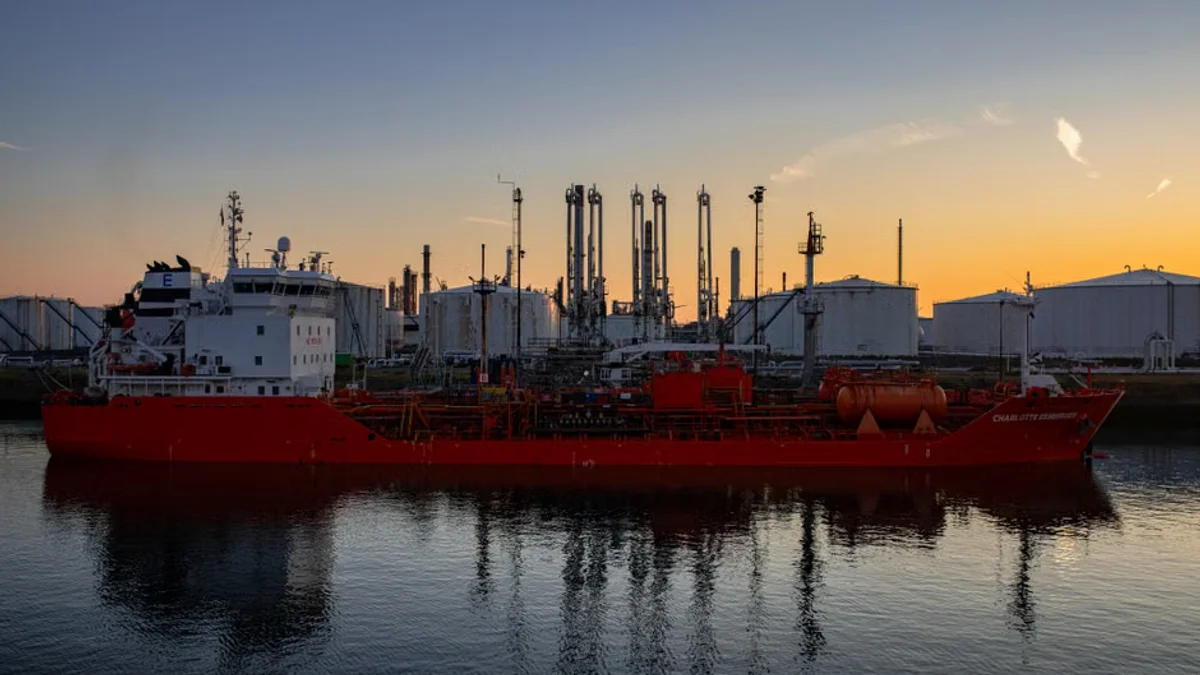
डीजल संकट पर सियासी घमासान, पार्टियों की तीखी प्रतिक्रिया
Read full report→Major energy trading desks are currently running complex multi-variable models to gauge the durability of the proposed framework. While consumers welcome lower fuel costs at the pump, macroeconomic strategists warn that sudden geopolitical shifts can reverse course rapidly if peace negotiations stall. The coming weeks will prove critical as international inspectors evaluate compliance and the practical implementation of the energy corridor agreements.
Key Highlights
- Diesel prices slip globally following President Trump's announcements on an energy ceasefire.
- European logistics and manufacturing sectors welcome potential relief from high energy input costs.
- Commodity traders remain cautious, monitoring the actual implementation and durability of the truce.
Ultimately, the dip in diesel prices highlights the profound sensitivity of modern commodity markets to high-level diplomatic interventions.