
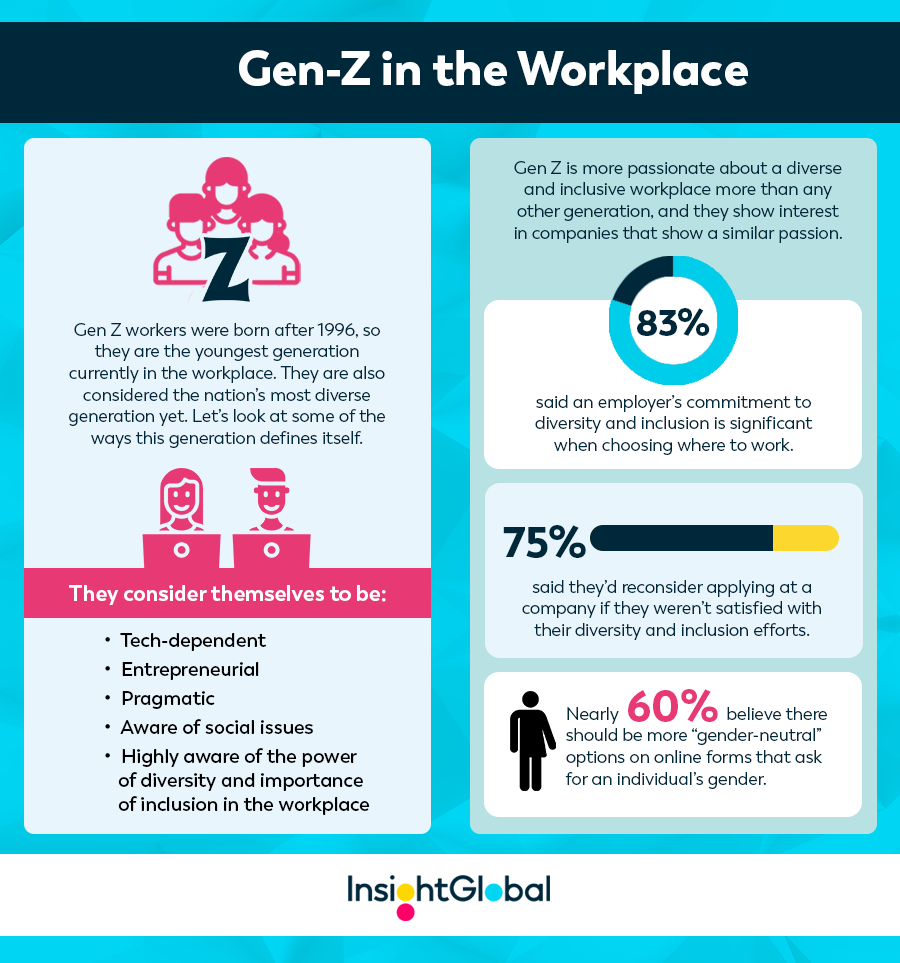
When a young professional starts their first job, families often breathe a sigh of relief, assuming their life is finally on a secure path. However, a few months later, when the same youngster expresses a desire to quit, questions and concerns immediately arise at home. Many label it as a lack of patience or an escape from responsibility. But does the urge to quit always mean running away from hard work?

Beyond the Paycheck: Mental Peace and Satisfaction
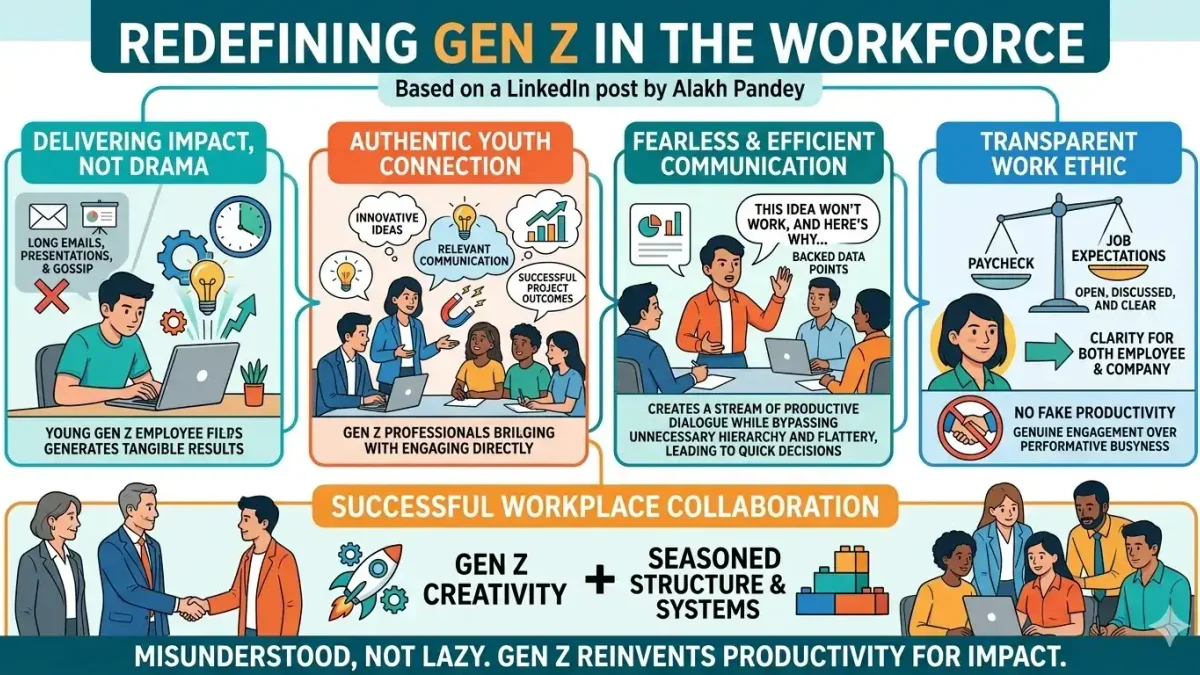
For today's Gen Z, employment is not just a mechanism to earn a monthly paycheck. They place a high value on personal life, mental well-being, and avenues for continuous growth alongside their professional duties. Understanding their decision to leave a job requires looking beyond traditional expectations.
If an individual faces constant stress upon entering the workplace, feels zero interest in daily tasks, or realizes there is nothing new to learn, they naturally begin contemplating other options. This does not imply an aversion to hard work; rather, it indicates a search for a healthier and more fulfilling environment.
Corporate Culture & Gen Z: Navigating mental health, career growth, and the modern workplace.
Insights from Recent Workplace Studies
Recent reports, such as those from Deloitte, highlight that work-life balance and upward mobility are paramount for Gen Z workers. In India, roughly 39% of Gen Z workers who shifted careers or fields cited better work-life balance as the catalyst, while an equal percentage pointed to better career growth. Only 28% attributed their move to higher salaries. These figures prove that modern career choices are driven by nuanced motivations rather than fleeting whims.
Is Quitting Always the Right Answer?
At the same time, walking away from every difficult job is not a universal solution. Adjusting to a new workplace naturally takes time, and new entrants might occasionally misinterpret initial challenges as toxic environments. Quitting abruptly without a solid plan can trigger financial instability. Open communication with management and strategic career planning remain vital before making life-altering professional decisions.
'The Freelance' does not independently verify all individual claims surrounding viral workplace trends, though these discussions heavily shape modern corporate dialogue. Content courtesy: Research reports and general social media discourse.



Education & Career Desk, The Freelance
Verified Editorial DeskEducation, Competitive Exams & Career Bureau
Dedicated to student guidance, competitive exams, government recruitment updates, higher education policy, and career opportunities. We are committed to unbiased, factual journalism based on verified agencies, official statements, and on-the-ground correspondents.