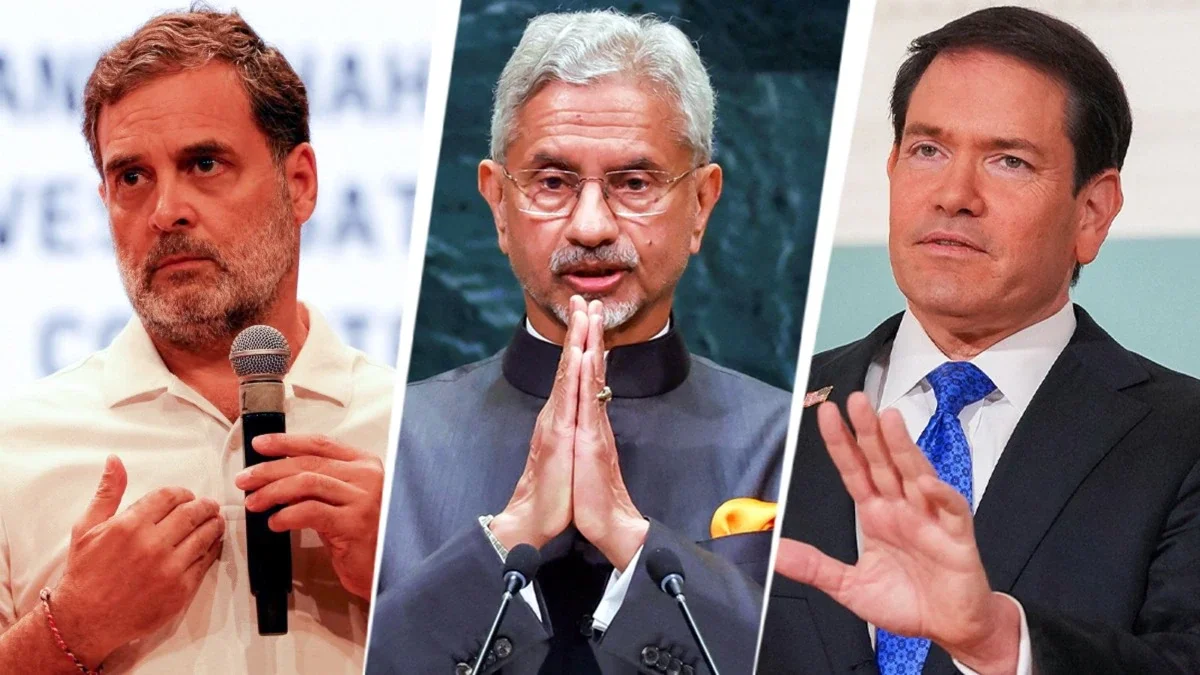
Political row over US Secretary of State Marco Rubio's India visit
The upcoming visit of US Secretary of State Marco Rubio to India has triggered a fresh political slugfest, with the opposition raising questions over the itinerary and diplomatic protocols. Rubio's proposed visit is primarily focused on Mumbai and Jamnagar in Gujarat, keeping New Delhi out of the immediate official itinerary for talks, which has drawn sharp reactions from political circles.
Leader of the Opposition in the Lok Sabha, Rahul Gandhi, took to social media to launch a scathing attack on Prime Minister Narendra Modi and the central government. Mocking the situation, he stated that officials within the Ministry of External Affairs themselves appear confused about what is transpiring, offering to explain the situation to the Prime Minister if required.
Congress questions MEA silence and venue announcements
The opposition party has raised strong objections over announcements regarding bilateral meetings being made by foreign envoys rather than official spokespersons of the Indian government. Congress leaders questioned why the announcement regarding External Affairs Minister S. Jaishankar's potential meeting with Rubio in Mumbai was publicized through foreign diplomatic channels first.
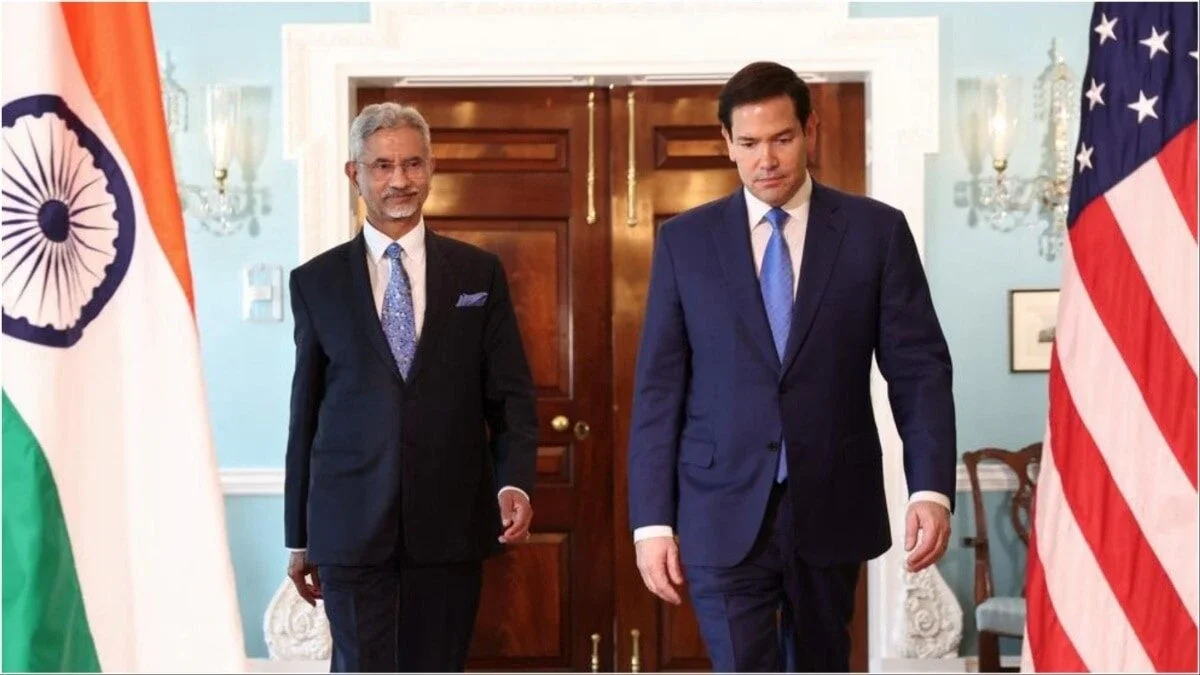
"Modi ji, your officials in the External Affairs Ministry are confused about what's going on. You might want to explain. Unless, of course, you want me to." — Rahul Gandhi, Leader of Opposition in Lok Sabha
Critics argue that India's foreign policy and diplomatic engagements must maintain strict institutional transparency, and domestic schedules of cabinet ministers should ideally be announced by official authorities. The government, however, maintains that hosting foreign dignitaries in various economic hubs across the country has been a routine and successful practice to boost commercial and strategic ties.
Strategic autonomy and trade focus
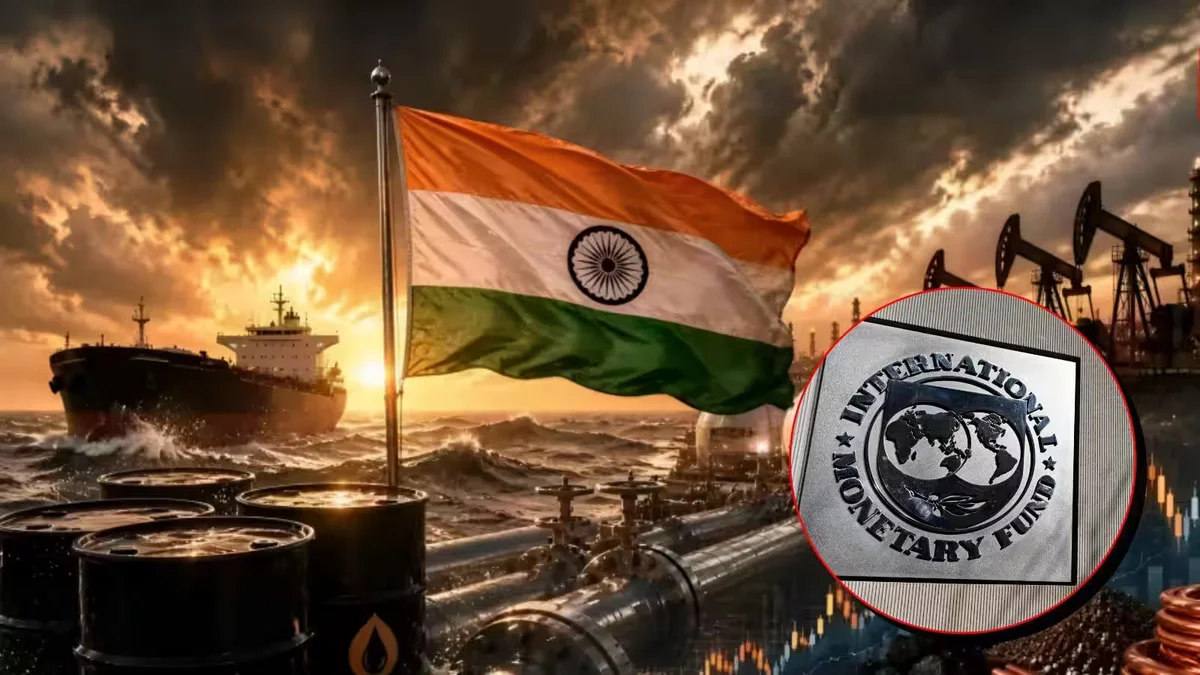
Foreign policy analysts note that Rubio's visit underscores Washington's keen interest in commercial, energy, and technological collaboration with India. Despite ongoing trade discussions and global geopolitical pressures, India has consistently maintained its strategic autonomy, prioritizing national interests above all external alignments.
As the high-profile visit approaches, discussions around bilateral energy partnerships and supply chain resilience are expected to take center stage. While the diplomatic engagements hold significant weight for US-India ties, the political friction within domestic circles continues to amplify the discourse surrounding the visit.