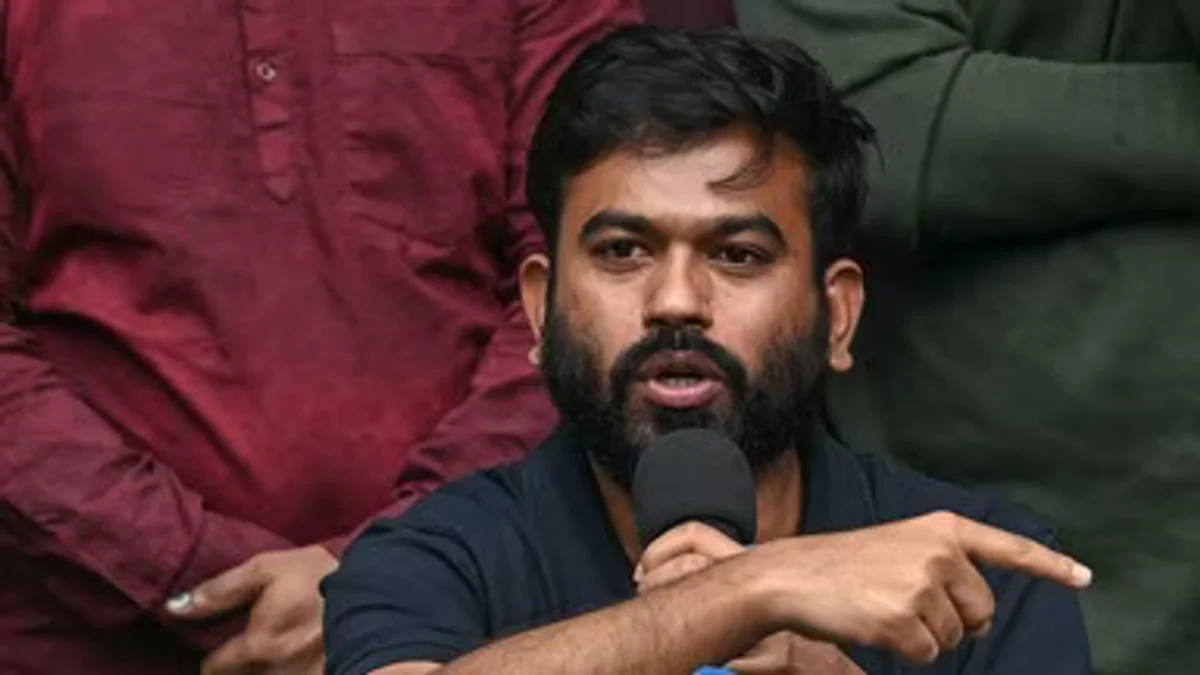
Jan Suraaj campaign founder Prashant Kishor launched a scathing attack on the state government after inspecting flood-hit rural zones. Speaking directly to affected villagers, Kishor claimed that over five million citizens across multiple districts are currently marooned due to swelling river waters, while administrative response remains lethargic and ineffective.

On-Ground Assessment in Submerged Villages
Kishor navigated waterlogged localities to personally review the plight of displaced residents. Villagers highlighted severe shortages of basic necessities, including drinking water, food packets, plastic tarpaulins, and rescue boats. Many families have been forced to sleep on elevated roads and embankments under open skies.
Kishor pointed out that the lack of proactive embankment maintenance and delayed administrative mobilization aggravated the inundation of residential colonies. He noted that despite repeated yearly flood cycles, the administration repeatedly fails to establish functional relief stations in advance.
"More than 5 million people are struggling in flood waters across the state, yet those in power appear completely detached from ground realities. Paperwork claims distribution of relief, but citizens are desperately seeking basic food and shelter."— Prashant Kishor, Founder, Jan Suraaj
Administrative Neglect and Public Health Challenges
The Jan Suraaj founder expressed deep concern over the emerging health emergency in flooded habitations. Stagnant flood waters have triggered outbreaks of water-borne infections, while mobile medical units remain largely absent from remote villages. Pregnant women, infants, and the elderly face extreme hardship without medical access.

Additionally, livestock owners are confronting an unprecedented fodder crisis. With pastures completely submerged, cattle are stranded without feed, risking widespread animal mortality and threatening the core economic livelihood of rural farming communities.
Demand for Permanent Flood Mitigation
Kishor questioned the decades-long failure of successive administrations to devise a scientific, long-term solution to seasonal flooding. He criticized the cycle of token relief distributions that serve as a temporary patch rather than addressing siltation, river interlinking, and sturdy embankment design.
He demanded direct cash transfers into the accounts of verified flood-hit families alongside systematic compensation for lost crops. Kishor affirmed that Jan Suraaj volunteers would continue monitoring relief efforts to ensure accountable distribution of aid to stranded families.