
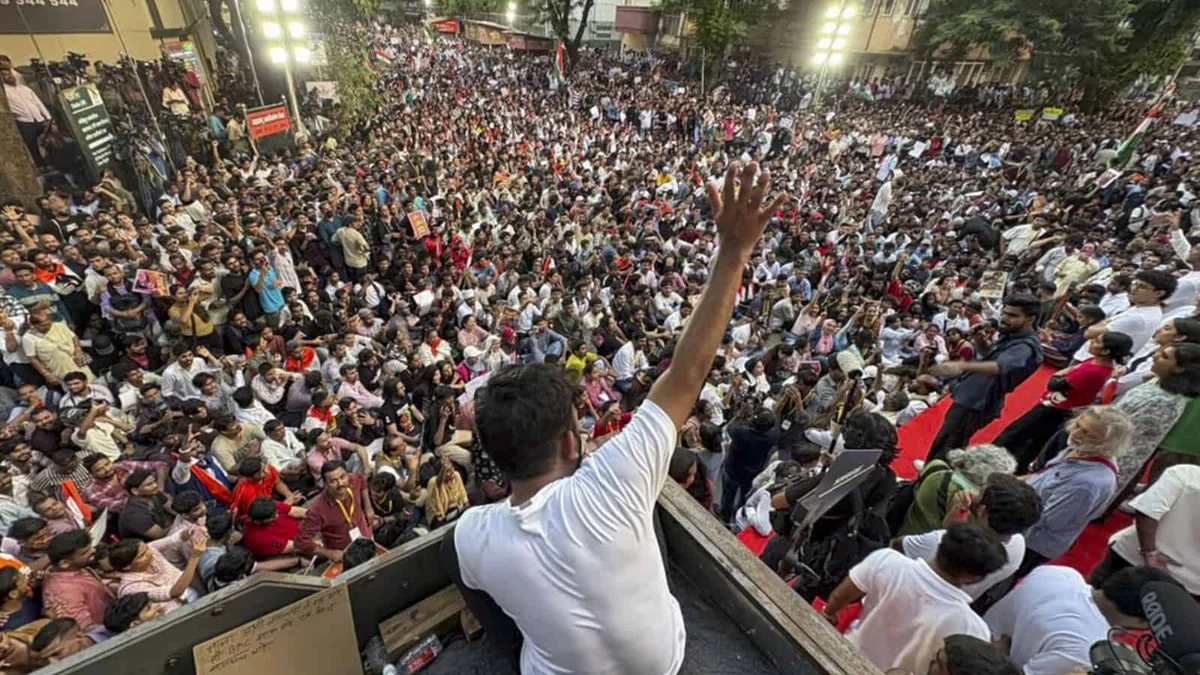
Political tensions in the national capital are once again on the rise as the 'Cockroach Janata Party' (CJP) prepares for a fresh round of protests on October 10. However, substantial suspense surrounds the event as Delhi Police has not yet issued formal permission for the gathering, while Section 163 of the BNSS remains enforced across the New Delhi district.
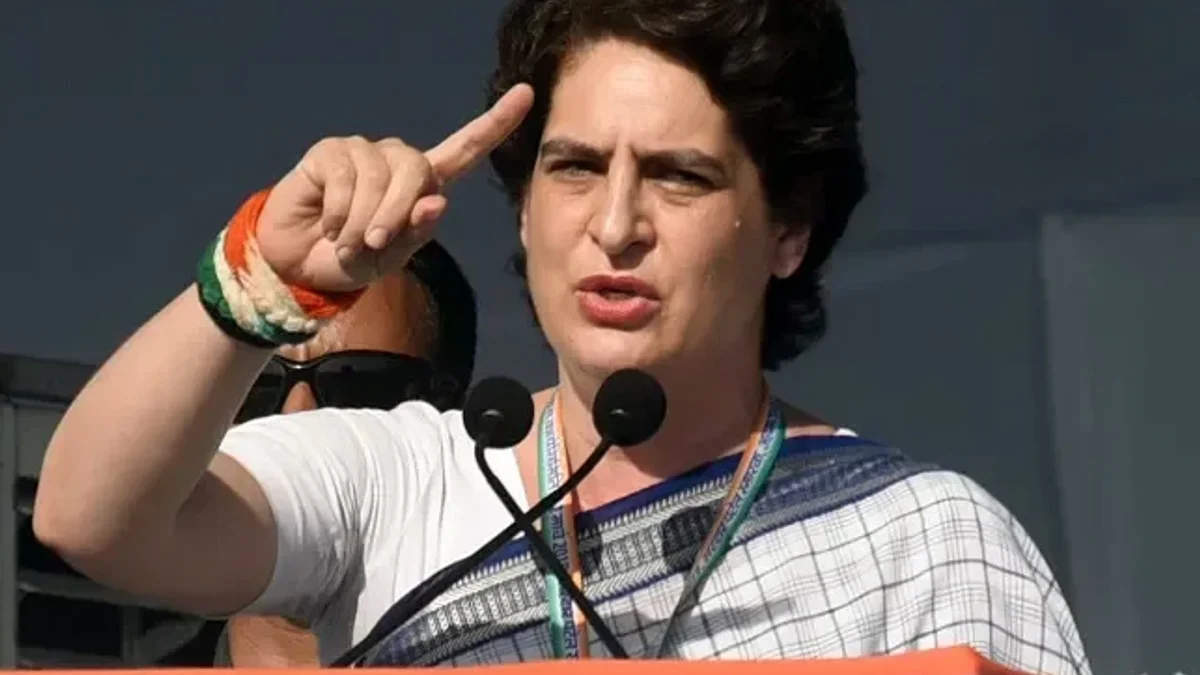
Gen-Z Protest Call and Security Measures
Outside the Parliament Street police station, CJP representatives stated that the upcoming event would be framed as a 'Gen-Z Protest' rather than a standard political demonstration. Organizers have vowed to continue their agitation until the Chief Election Commissioner, Gyanesh Kumar, is removed from his post.
With Section 163 of the Bharatiya Nagarik Suraksha Sanhita (BNSS) currently in effect in the New Delhi area, security forces are on high alert. Authorities are closely monitoring the developments to determine how they will handle the unapproved assembly if organizers decide to proceed regardless.
Past Clashes and Controversy
This development follows a turbulent period marked by previous clashes between protestors and law enforcement. Earlier demonstrations witnessed intense confrontations, tear gas deployment, and stringent police action, although authorities later sought to scale back certain legal proceedings related to those July marches.

Furthermore, recent allegations of misconduct and harassment raised by female journalists during a CJP demonstration led to high-level inquiries transferred to the Crime Branch, adding complex layers of controversy to the upcoming mobilization.
'The Freelance' does not independently verify the claims made in videos or reports circulating on social media platforms. This news report covers ongoing public events and official statements. Image/Video credits: Respective social media handles and creators.
States & Regional Bureau, The Freelance
Verified Editorial DeskState Affairs & Grassroots Reporting Bureau
Delivering verified, on-the-ground reporting on state governance, regional development, grassroots public challenges, and local administrative reforms across India. We are committed to unbiased, factual journalism based on verified agencies, official statements, and on-the-ground correspondents.