
New Delhi is known not just for the corridors of power, but also for the roaring voices of public movements. Over the decades, the designated sites for staging protests and demanding accountability from governments have undergone several transformations due to security concerns, VVIP traffic management, and court directives. Now, in another major administrative update, the historical protest landscape has shifted once again.
When Boat Club Was the Epicenter of Protests
From India's independence until the 1980s, the 'Boat Club' lawns near India Gate served as the most favored and influential hub for demonstrations. Located strategically close to Parliament House, it allowed agitators to make their voices heard right under the government's nose. In October 1988, under the leadership of Bharatiya Kisan Union leader Mahendra Singh Tikait, lakhs of farmers camped at Boat Club for nearly a week, paralyzing central Delhi. Following this massive agitation, the central government permanently banned rallies and protests at the Boat Club due to security protocols.
Jantar Mantar Became the New Hotspot in 1993
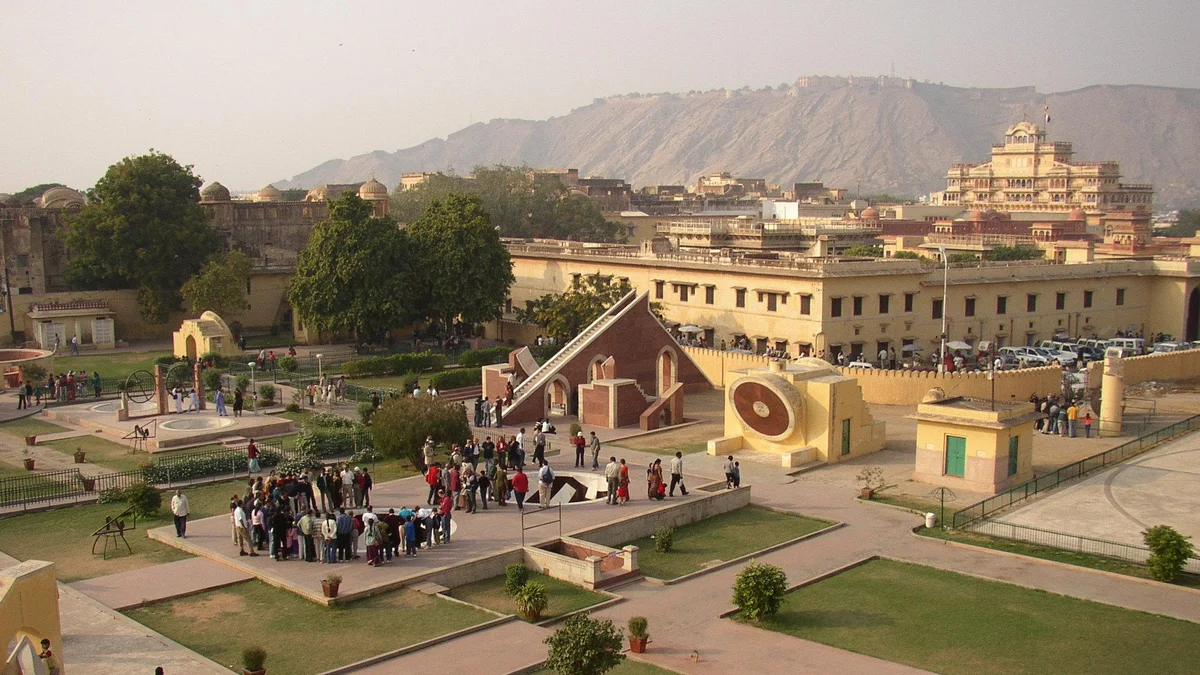
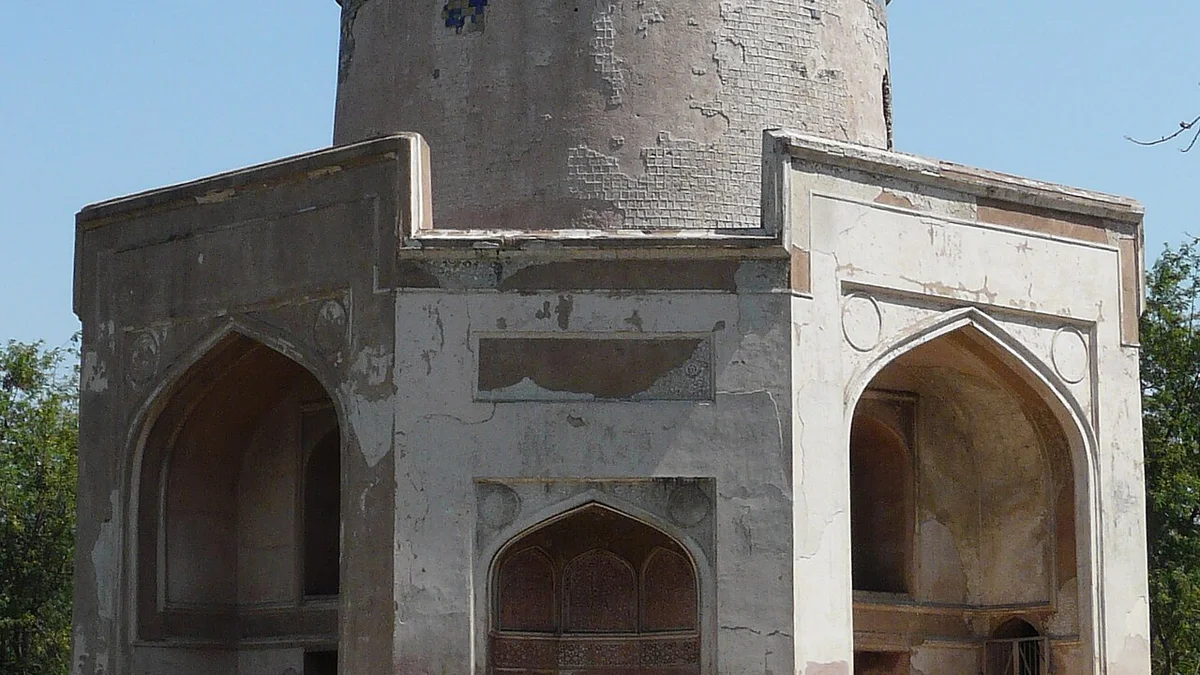
Following the restriction on Boat Club, Tolstoy Marg's Jantar Mantar was designated as the official protest site in 1993. For the next three decades, this street remained the nerve center for activists, farmers, students, and citizens from all walks of life. From the anti-corruption movements and Nirbhaya protests to recent farmer and wrestler agitations, Jantar Mantar witnessed countless historical struggles. However, acting on recommendations from a specially constituted committee, the Ministry of Home Affairs has now officially de-notified Jantar Mantar as a protest site.
Ramlila Maidan, Burari, and CBD Ground as New Venues
With Jantar Mantar no longer available for demonstrations, the authorities have designated three alternative locations: Ramlila Maidan, the Burari grounds, and the CBD Ground in East Delhi. This evolution of protest venues underscores how urban expansion and security priorities continue to reshape the topography of democratic dissent in India, while the spirit of civic expression remains unbroken.
'The Freelance' does not independently verify the claims made in videos or discussions circulating on social media regarding this policy change. Video/Image Credits: Respective social media handles or creators.
States & Regional Bureau, The Freelance
Verified Editorial DeskState Affairs & Grassroots Reporting Bureau
Delivering verified, on-the-ground reporting on state governance, regional development, grassroots public challenges, and local administrative reforms across India. We are committed to unbiased, factual journalism based on verified agencies, official statements, and on-the-ground correspondents.