LONDON — Scientists analyzing data from global radio observatory networks have published groundbreaking findings on a series of fast radio bursts (FRBs) originating from billions of light-years away. These intense flashes of radio frequency energy, lasting only milliseconds, have puzzled astronomers since their initial discovery, but recent technological upgrades are finally shedding light on their mechanisms.
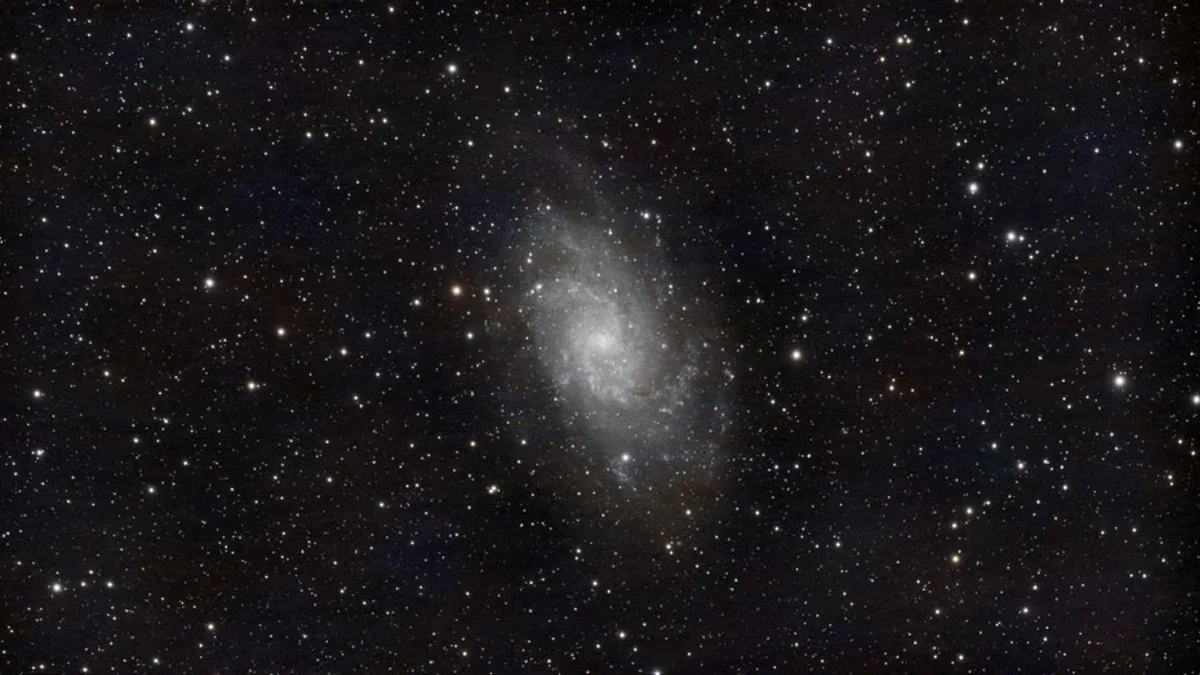
Using synchronized radio telescope arrays across multiple continents, the research team successfully localized the host galaxy of a repeating FRB source. The precision tracking revealed that the bursts emanate from a dense, highly magnetized environment, potentially associated with magnetars or exotic stellar remnants formed after supernova explosions.

'Catching these signals with such high resolution is a monumental achievement for observational astrophysics,' said a lead researcher on the project. 'We are moving closer to understanding the extreme physics governing these powerful cosmic lighthouses.'
The data also provides a unique tool for probing the matter distributed across intergalactic space, allowing scientists to measure the elusive 'missing baryon' matter in the universe. Further observations are already scheduled using next-generation radio telescopes to monitor future activity from the source.
Key Highlights
- Astronomers localize the exact host galaxy of a repeating fast radio burst with high precision.
- Findings point toward extreme astrophysical environments like magnetars as potential sources.
- FRBs serve as valuable cosmic probes for measuring intergalactic matter across the universe.
These discoveries mark another vital step forward in unraveling some of the universe's most captivating and energetic mysteries.