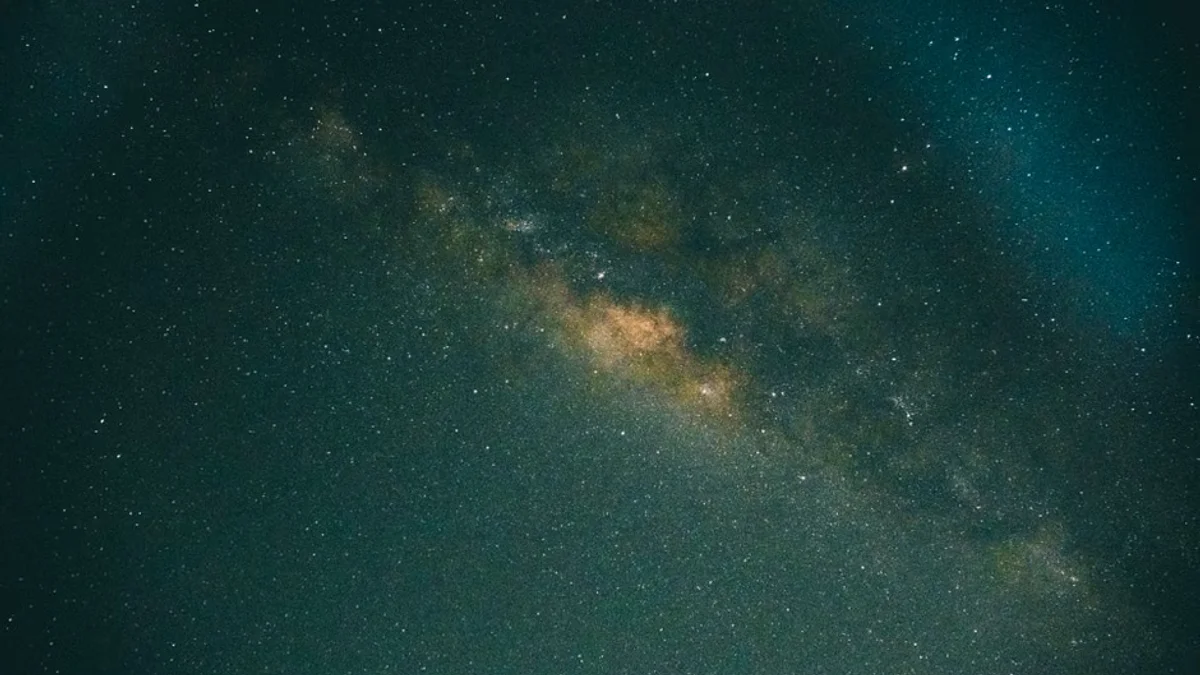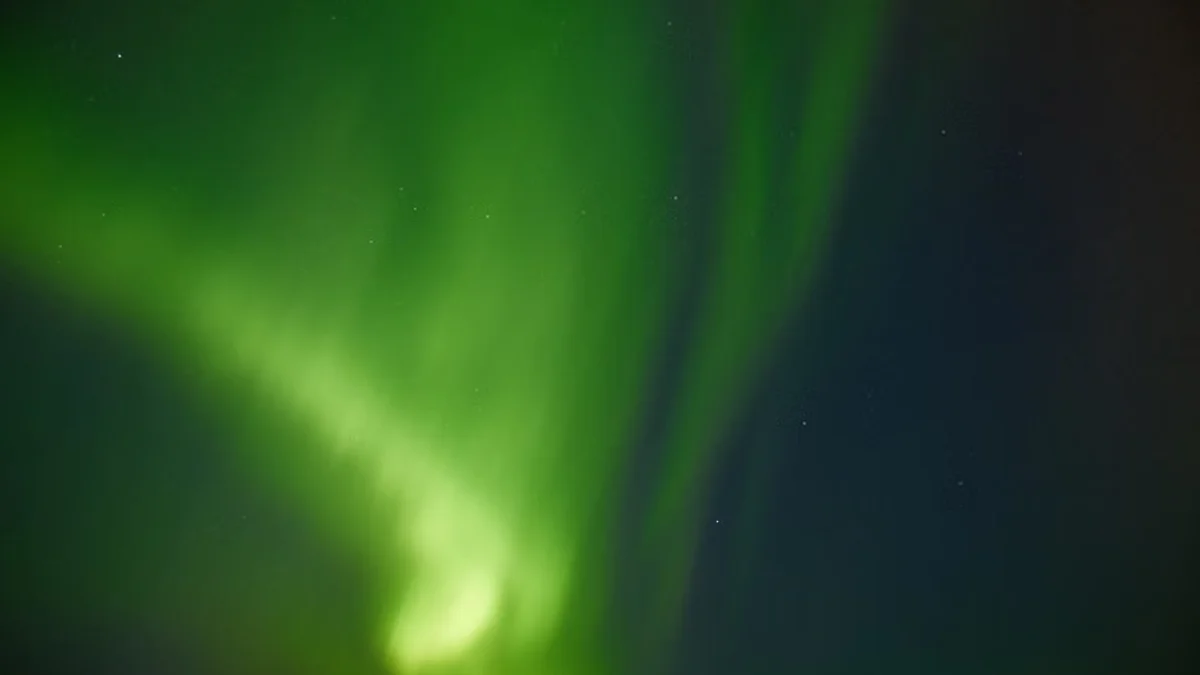
WASHINGTON — Space researchers and astrophysicists have released a comprehensive study detailing the complex optical and stellar mechanics behind what is popularly referred to as a 'green star'. While stars glowing with a vivid emerald hue do not technically exist in the steady-state classification of stellar physics, recent deep-space telemetry has provided fascinating insights into how human perception and stellar temperatures intersect.
According to leading astrophysicists, human optical physiology combined with specific atmospheric scattering and stellar color blending can create the distinct visual illusion of a green star. Typically, stars emit light across a broad spectrum of wavelengths. While our Sun peaks in the green portion of the visible light spectrum, human eyes perceive it as white or yellow due to the concurrent emission of red and blue light blending together.
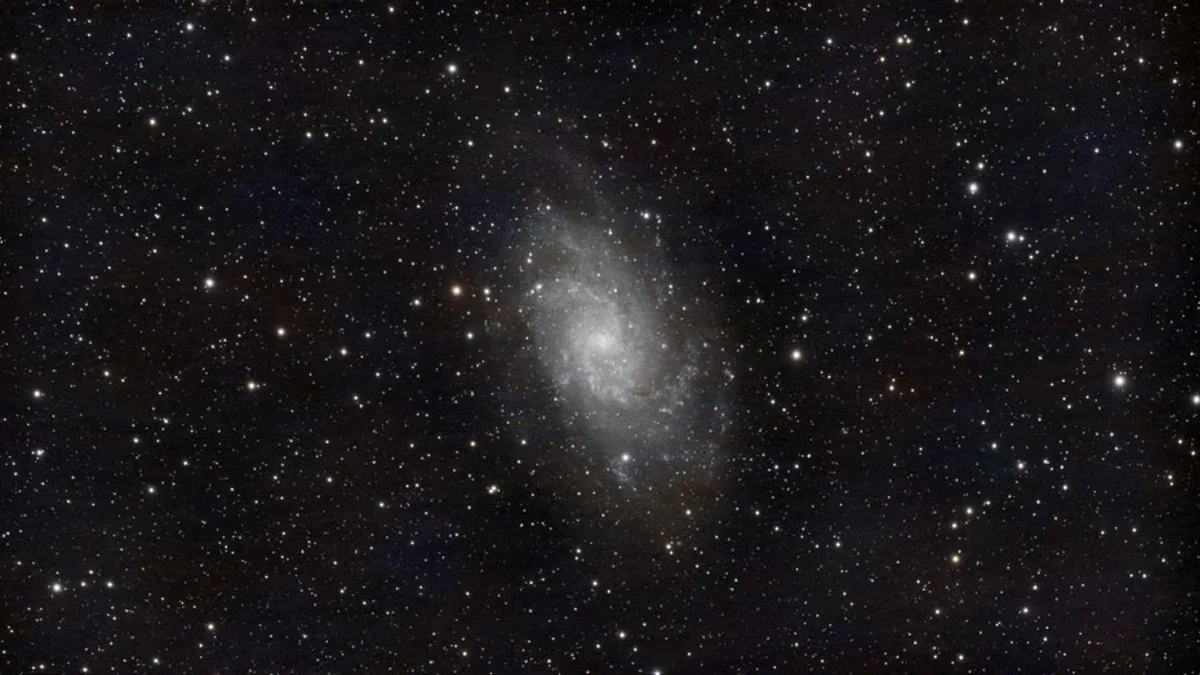
However, under extraordinary conditions—such as tightly bound binary star systems where a cool red giant sits adjacent to a hot, bright blue-white star—the simultaneous contrast can trick the human eye and optical instruments into registering a striking green shade. This newly published research utilizes advanced imaging from space-based telescopes to map these stellar anomalies with unprecedented precision.
Beyond the optical phenomenon, educators and space agencies hope this renewed interest in stellar color mechanics will inspire a broader public appreciation for astrophysics. As humanity continues to probe the farthest reaches of the galaxy, understanding how we observe the universe is just as critical as discovering what lies within it.
Key Highlights
- New astronomical study explains the science behind 'green star' sightings.
- Human optical perception and stellar binary systems create unique color illusions.
- Advanced space telescopes provide high-resolution data on stellar spectra.

As stargazers continue to look upward, these discoveries remind us of the intricate relationship between cosmic reality and human perception.