Nepal is currently experiencing a critical period of economic transition, infrastructure modernization, and diplomatic recalibration, drawing significant attention from international wire services and foreign policy analysts in London and Brussels. As the Himalayan republic works to harness its vast hydroelectric potential and boost tourism post-pandemic, government leaders are implementing key structural reforms.
Recent bilateral agreements focusing on green energy export, sustainable tourism, and digital infrastructure have positioned Nepal as an increasingly important player in South Asian geopolitics. International financial institutions, including the World Bank and Asian Development Bank, have praised Kathmandu's recent fiscal prudence while emphasizing the need for continued anti-corruption measures.

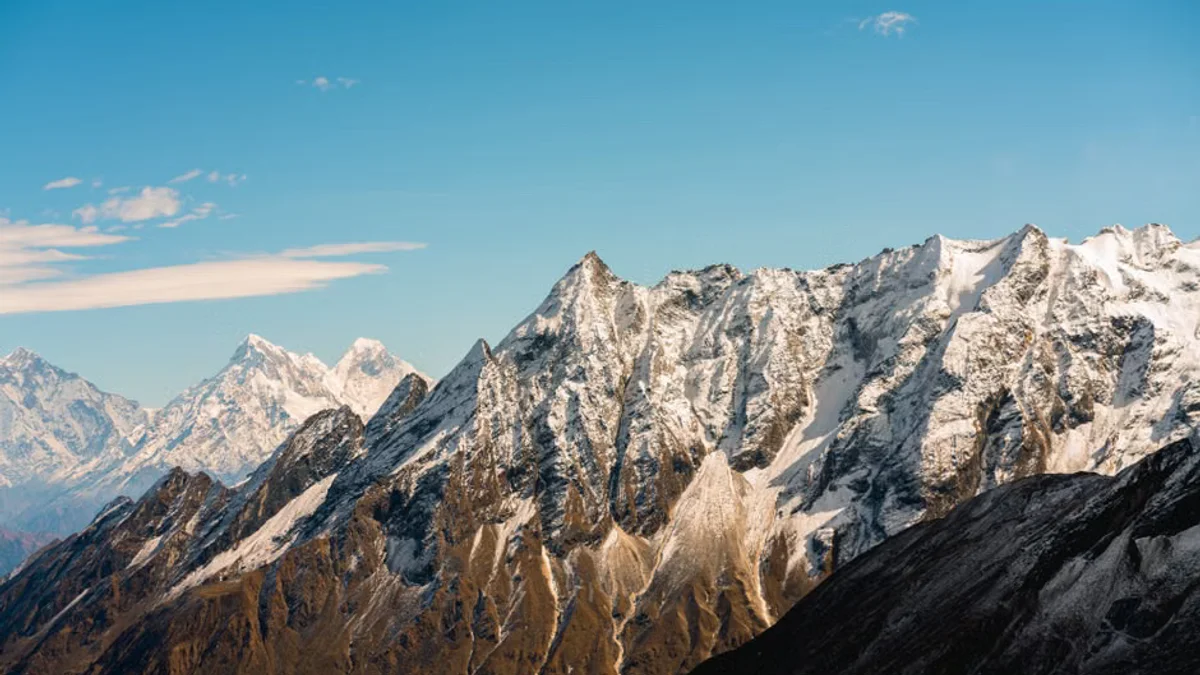
Environmental researchers are also closely monitoring Nepal's climate resilience strategies, particularly concerning glacial melt in the Himalayas and sustainable agricultural practices. International climate coalitions have urged greater financial support for developing mountain nations facing disproportionate environmental pressures.
As diplomatic ties with major global powers strengthen, Nepal's strategic positioning between regional giants offers both economic opportunities and delicate diplomatic balancing acts. Observers remain optimistic about the nation's long-term developmental trajectory.
Key Highlights
- Nepal is implementing vital economic reforms and green energy initiatives.
- International financial bodies are aiding the nation's infrastructure projects.
- Climate resilience in the Himalayas remains a top global environmental concern.
Nepal's ongoing transformation underscores the delicate interplay between sustainable development, regional diplomacy, and economic modernization in South Asia.