The Controversy Over New Dress Codes in Azerbaijani Schools
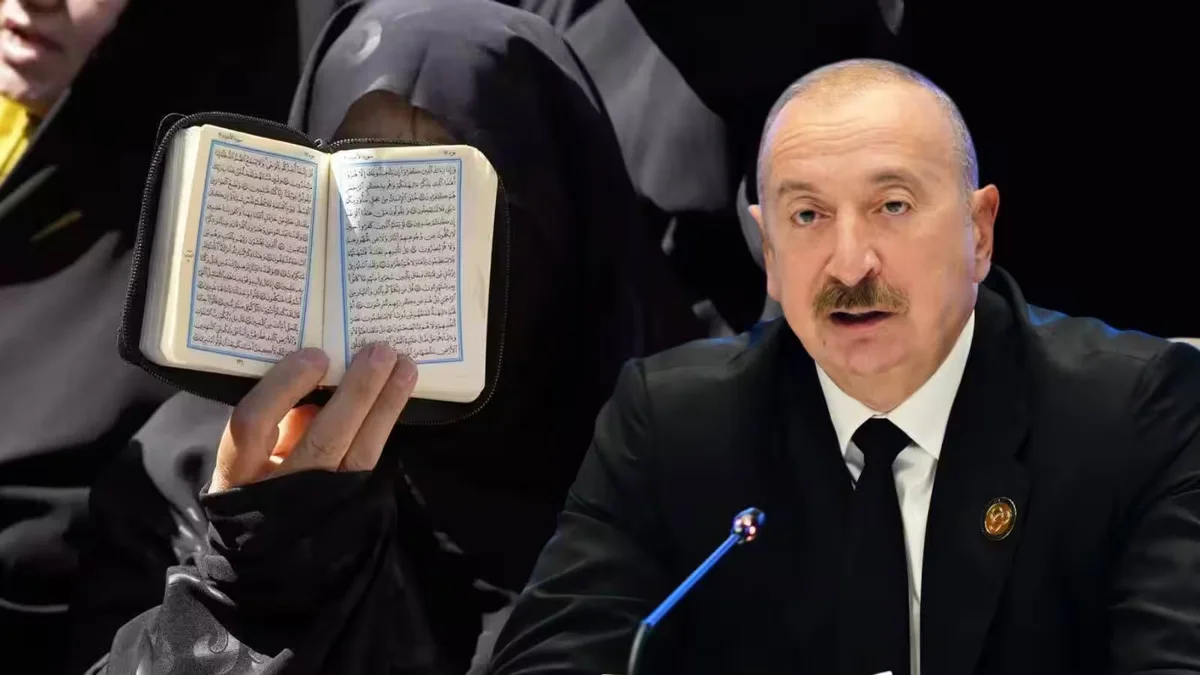
A significant social and political controversy has emerged in Azerbaijan regarding new dress code regulations implemented across primary and secondary schools. The updated guidelines prohibit students from wearing attire that does not conform to the officially mandated school uniform or aligns with the secular character of the national education system. Although the policy does not explicitly use the word 'hijab', the practical enforcement has resulted in female students and teachers wearing Islamic headscarves being denied entry into school premises.
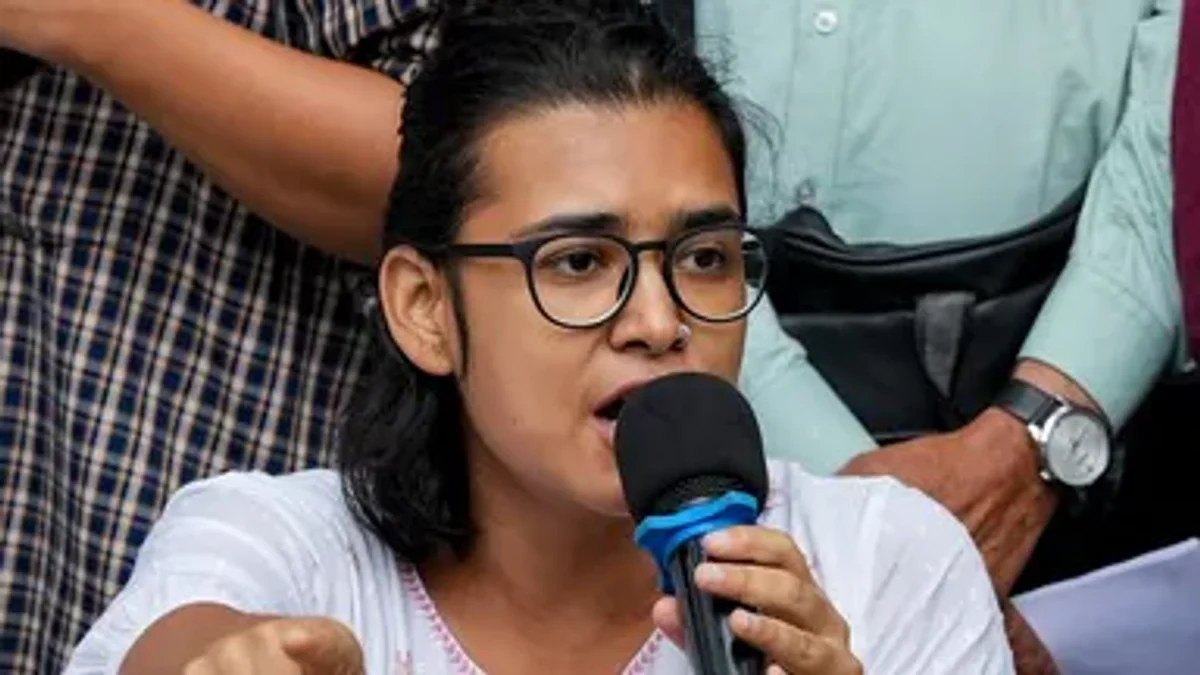
This unexpected restriction has triggered localized protests, with students and parents boycotting classes outside various educational institutions. Analysts note that this conflict goes beyond simple dress regulations, touching upon a deeper debate regarding modern educational governance versus individual religious freedoms in a predominantly Muslim society.
Secular Constitution Versus a 96 Percent Muslim Population
The most intriguing aspect of this situation is that approximately 96 percent of Azerbaijan's population identifies as Muslim, comprising both Shia and Sunni communities. Despite this overwhelming demographic, the nation's constitution establishes it strictly as a secular state, separating religion from governance while guaranteeing freedom of worship.
The government defends its policy by arguing that maintaining a secular framework requires uniformity and discipline in public institutions, particularly schools. Officials emphasize that all students should wear identical uniforms to prevent any form of visible religious or ideological division within classrooms. However, human rights advocates and religious groups argue that citizens should have the fundamental right to practice their beliefs freely within constitutional boundaries, creating a tense standoff between administrative authorities and affected families.
Sharp Reactions From Regional Powers Turkey and Iran
What began as an internal domestic issue has quickly escalated into a major regional diplomatic flashpoint. Turkey, traditionally a close strategic ally of Azerbaijan, has faced domestic political pressure as various groups and politicians criticized the school regulations. The situation worsened significantly when hardline religious factions in neighboring Iran fiercely condemned the ban, labeling it an 'evil step' and an anti-Islamic measure.
Iranian religious authorities and state media vocally criticized Baku's policy, causing unease in diplomatic circles and testing regional alliances. This outside intervention has introduced complex geopolitical dimensions to what was initially an administrative school policy.
Baku's Firm Stand and Growing Diplomatic Friction
In response to external criticism and domestic pushback, the government of Azerbaijan has taken a stern and uncompromising stance. The ruling party formally warned regional neighbors and external actors to stay out of its internal affairs, accusing certain entities of manufacturing artificial friction between allied nations.
Diplomatic observers suggest that if left unresolved, this friction could strain traditional ties between Baku and Ankara while opening avenues for Tehran to exert diplomatic influence. As Azerbaijan remains steadfast in defending its secular state policies, the hijab controversy in its schools continues to be a closely watched international story.