
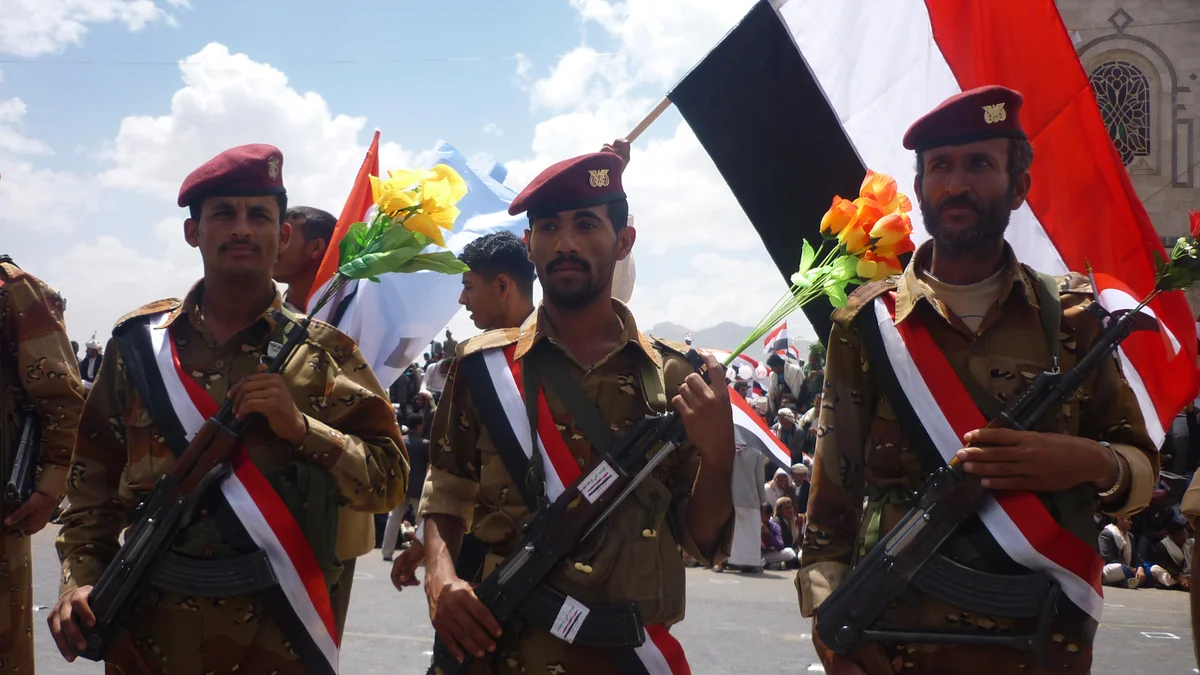
The conflict between Saudi Arabia and Yemen has reached a dangerous new tipping point. Recently, Houthi rebels launched targeted missile attacks on vital locations, including Yemen's Aden city and the King Khalid International Airport in Riyadh, triggering high security alerts across the region. These attacks have not only rattled Saudi Arabia's internal security but have also severely impacted global flight operations and international travel.
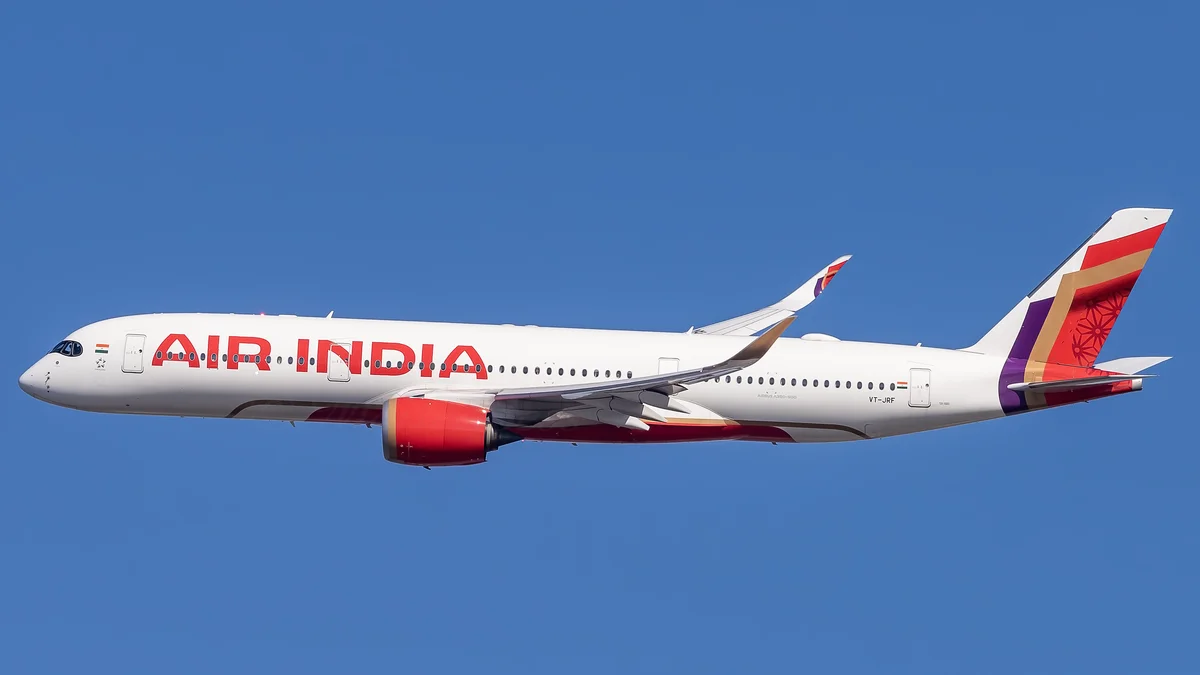
In response to growing security concerns, Air India decided to suspend its flights to Riyadh, Dammam, and Jeddah. The US Embassy has also issued warnings regarding potential threats to airports in Saudi Arabia, thrusting the geopolitics of West Asia back into the global spotlight.
Origins of the Yemeni Conflict and Rise of the Houthis
The roots of this bitter rivalry run deep. Yemen has long suffered from severe political instability and power struggles. In 2014, Houthi rebels seized control of the Yemeni capital, Sana'a, sparking an intense civil war with the internationally recognized Yemeni government.
To counter this, Saudi Arabia formed a multi-state military coalition in March 2015 to intervene in Yemen, aiming to restore the legitimate government and curb the rising influence of the Houthis. However, years of relentless airstrikes, ground battles, and economic collapse have plunged Yemen into one of the worst humanitarian crises in modern history.
The Role of Iran and Regional Rivalry
Iran plays a crucial and controversial role in the ongoing Saudi-Yemeni conflict. As a primary backer of the Houthi movement, Tehran has repeatedly faced allegations of supplying advanced weaponry, technical assistance, and military training to the rebels, significantly boosting their drone and missile strike capabilities.

While Saudi Arabia views the Houthis as a direct threat to its borders and oil infrastructure, Iran's support helps the rebel group project regional power. Furthermore, Yemen's strategic location near the Bab-el-Mandeb strait makes the ongoing instability a major threat to international maritime trade and global oil supplies.
'The Freelance' does not independently verify the claims made in the videos circulating on social media platforms. These videos are subjects of widespread public discussion. Video courtesy: Respective social media handles/creators.

National Desk, The Freelance
Verified Editorial DeskPolitics, Governance & Public Interest Reporting Team
The Freelance National Desk provides round-the-clock, verified, and in-depth analytical reporting on Indian politics, governance, policy decisions, parliamentary affairs, and public interest matters. We are committed to unbiased, factual journalism based on verified agencies, official statements, and on-the-ground correspondents.