
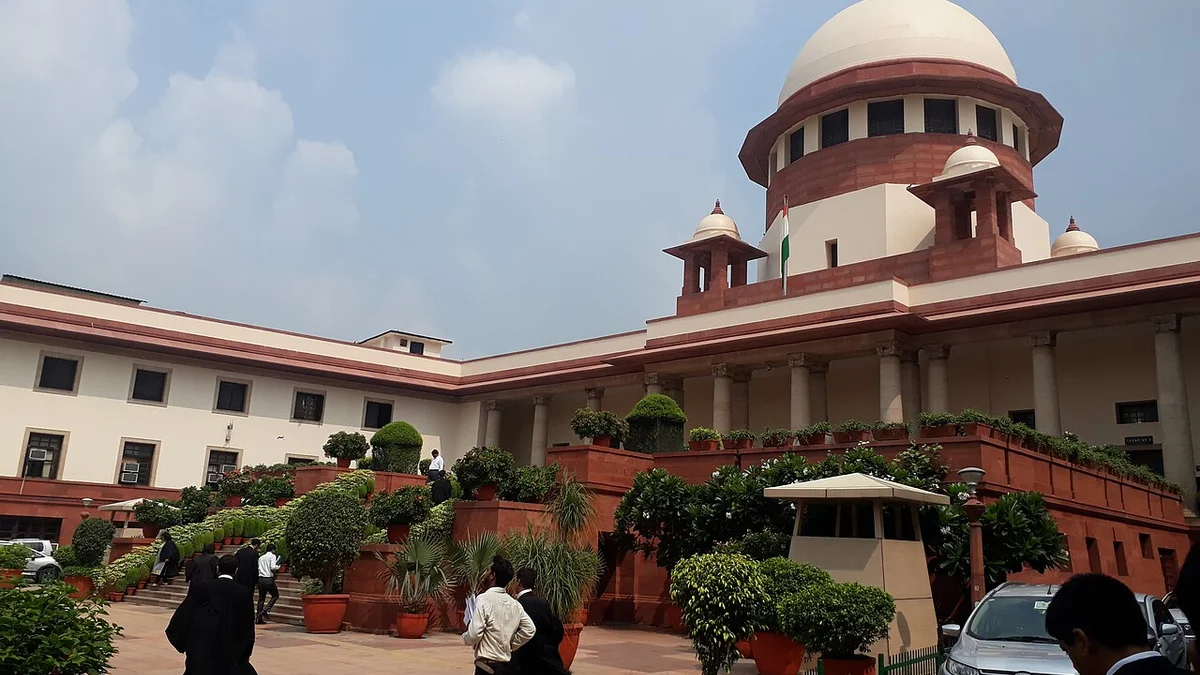
The Supreme Court has taken serious note of allegations regarding police misconduct and manhandling of women journalists during protests in the national capital. The court indicated that a high-level committee could be constituted to hear and investigate these allegations. During the hearing, the Chief Justice of India (CJI) asked senior advocate Indira Jayisingh to submit necessary documents and names in two sealed covers.
Sealed Covers and Proposed Committee Formation
One sealed cover is to contain the names of women journalists who were allegedly manhandled or mistreated, while the second cover is to suggest names of retired women judges and police officers who could be part of the investigative committee. The court emphasized that a fair investigation is paramount, and a final decision on the committee's structure and mandate will be taken accordingly.
Supreme Court takes strict note of alleged police misconduct against women journalists. #SupremeCourt #DelhiPolice
— The Freelance (@TheFreelanceIN) September 18, 2024
Protection from Arrest and Preservation of CCTV Footage
During the proceedings, senior advocate Indira Jayisingh sought protection for a woman journalist against whom an FIR has been filed by a senior police officer under the SC/ST Act. Taking note of this, the Chief Justice directed Delhi Police not to arrest the journalist. Solicitor General Tushar Mehta informed the bench that if the journalist joins the investigation, she will not be arrested.
Furthermore, the court stressed the importance of preserving CCTV footage from the site to ensure transparent scrutiny of the events and actions that transpired during the demonstrations.
'The Freelance' does not independently verify the claims made in the viral social media videos or related discussions. This report is based on court proceedings and public domain updates. Video/Image Credit: Respective Social Media Handles / Creators.

States & Regional Bureau, The Freelance
Verified Editorial DeskState Affairs & Grassroots Reporting Bureau
Delivering verified, on-the-ground reporting on state governance, regional development, grassroots public challenges, and local administrative reforms across India. We are committed to unbiased, factual journalism based on verified agencies, official statements, and on-the-ground correspondents.