
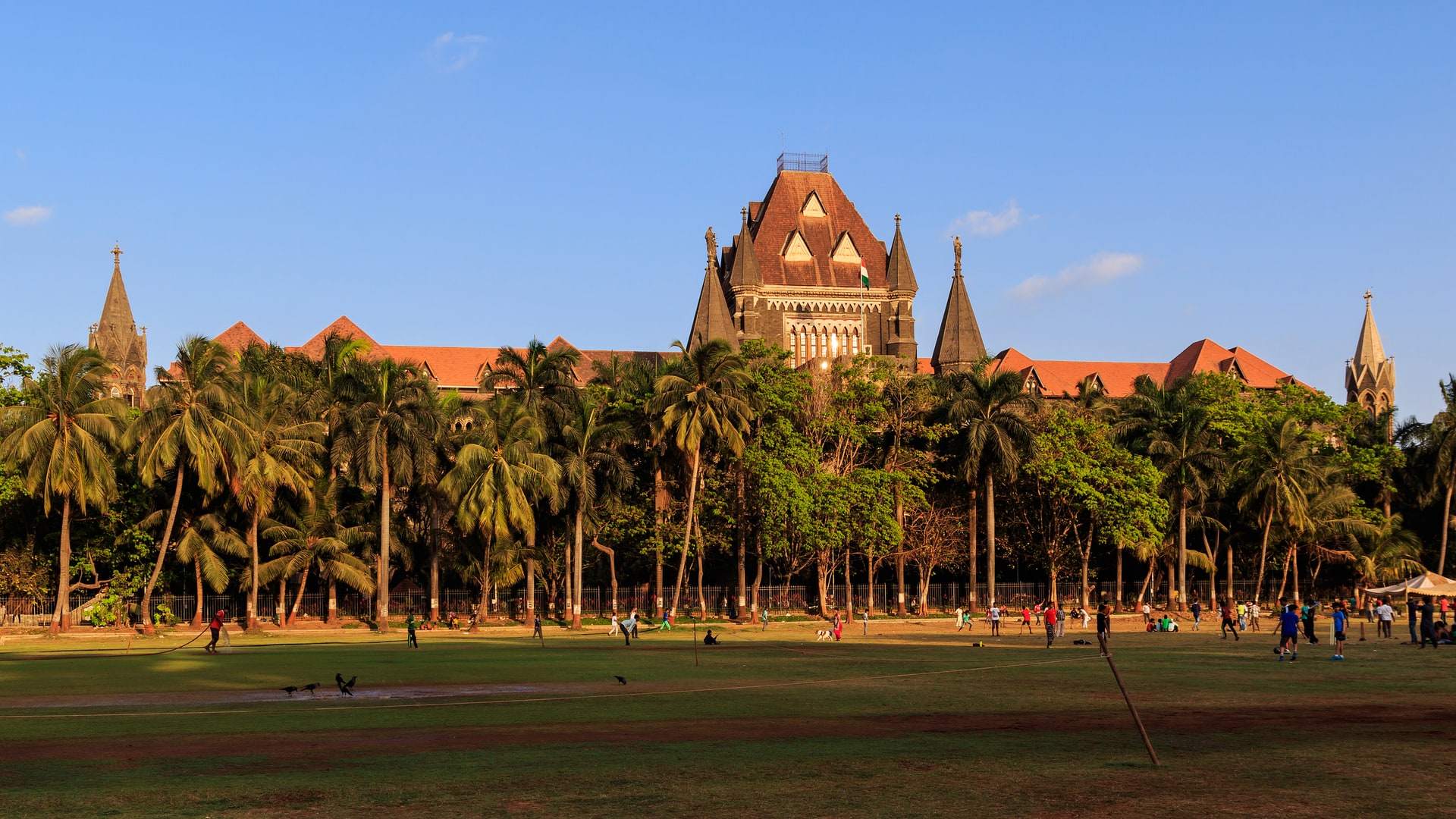
In a strongly worded intervention against worsening environmental degradation, the Bombay High Court has cautioned that uncontrolled bursting of firecrackers risks turning urban centres into toxic 'gas chambers'. The division bench asserted that the fundamental right of citizens to breathe clean air and inhabit a healthy environment cannot be compromised under the guise of festive celebrations.

Right to Clean Air Inherent to Article 21
A bench comprising Justice G.S. Kulkarni and Justice Dr. Neela Gokhale invoked Article 21 of the Constitution, emphasizing that the fundamental right to life inherently guarantees the right to a clean and safe environment. The court remarked that no citizen or group possesses the prerogative to infringe upon the health and well-being of others under the pretext of celebrations.
Expressing dismay over deteriorating air quality index (AQI) levels and thick blankets of smog, the court noted that despite the presence of environmental regulations, ground realities have barely shown meaningful improvement. Vulnerable demographics, particularly children and the elderly, bear the brunt of hazardous air pollutants every season.
Year-Round Restrictions Across All Festivities
Clarifying the scope of its prior rulings, the High Court held that the restrictions imposed on bursting crackers are not confined to a single festival or brief period. The court affirmed that curbs will remain enforceable throughout the year across all festive occasions, public gatherings, and private functions. The bench reaffirmed a complete prohibition on setting off firecrackers along public roads, thoroughfares, and designated silence zones—including areas surrounding hospitals, educational institutes, and court complexes.
The court pointed out that collective bursting of crackers releases immense concentrations of chemical residue and toxic emissions, critically compounding ambient pollution. The bench noted that state administrative agencies have failed to carry out adequate empirical impact assessments on mass firecracker usage, leaving millions exposed to preventable health hazards.
Grievance Redressal and Stringent Field Enforcement
To ensure robust implementation, the High Court directed civic bodies, the state government, and the Pollution Control Board to establish dedicated citizen grievance redressal mechanisms within a week. The court ordered the appointment of dedicated nodal officers across municipal jurisdictions to streamline inter-agency coordination and penalize violations without delay.
Furthermore, the bench mandated that ground monitoring personnel be equipped with decibel meters and air pollution diagnostic kits for swift on-the-spot enforcement. The authorities have also been directed to mount comprehensive public awareness drives across schools, electronic channels, and mass transport networks to champion green alternatives and strict compliance with permissible time frames.
The Freelance does not independently verify the claims circulating on social media platforms. Content is credited to the respective public domain records and judicial proceedings.



National Desk, The Freelance
Verified Editorial DeskPolitics, Governance & Public Interest Reporting Team
The Freelance National Desk provides round-the-clock, verified, and in-depth analytical reporting on Indian politics, governance, policy decisions, parliamentary affairs, and public interest matters. We are committed to unbiased, factual journalism based on verified agencies, official statements, and on-the-ground correspondents.