Political Tensions Rise Over Special Intensive Revision of Voter Lists
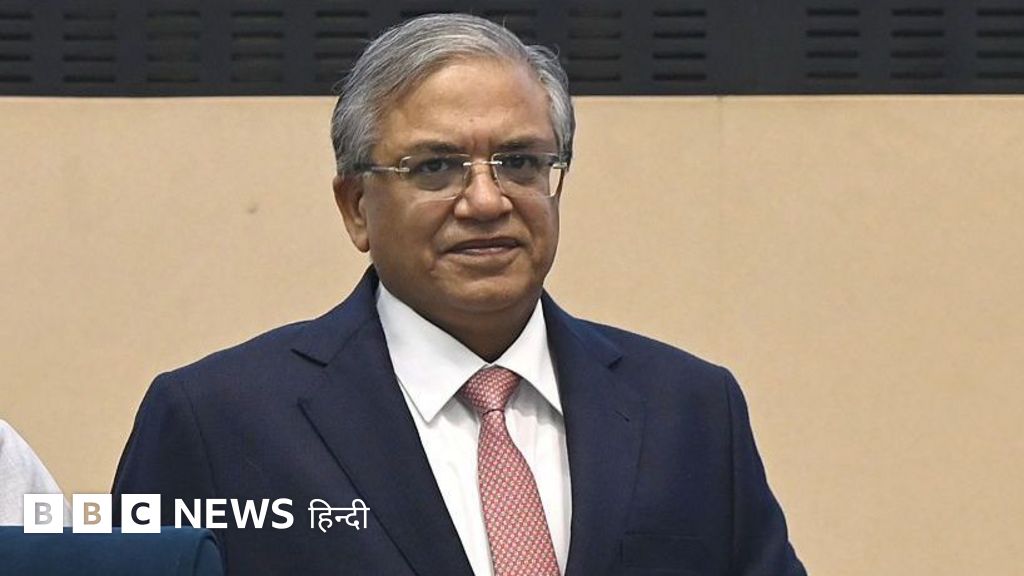
The political landscape in India has heated up significantly over the Special Intensive Revision (SIR) of electoral rolls. Major regional and national political parties have raised serious questions regarding the methodology and intentions of the poll panel. Recently, the Dravida Munnetra Kazhagam (DMK) officially demanded the removal of Chief Election Commissioner Gyanesh Kumar, accusing the commission of executing a flawed process that targets genuine voters.
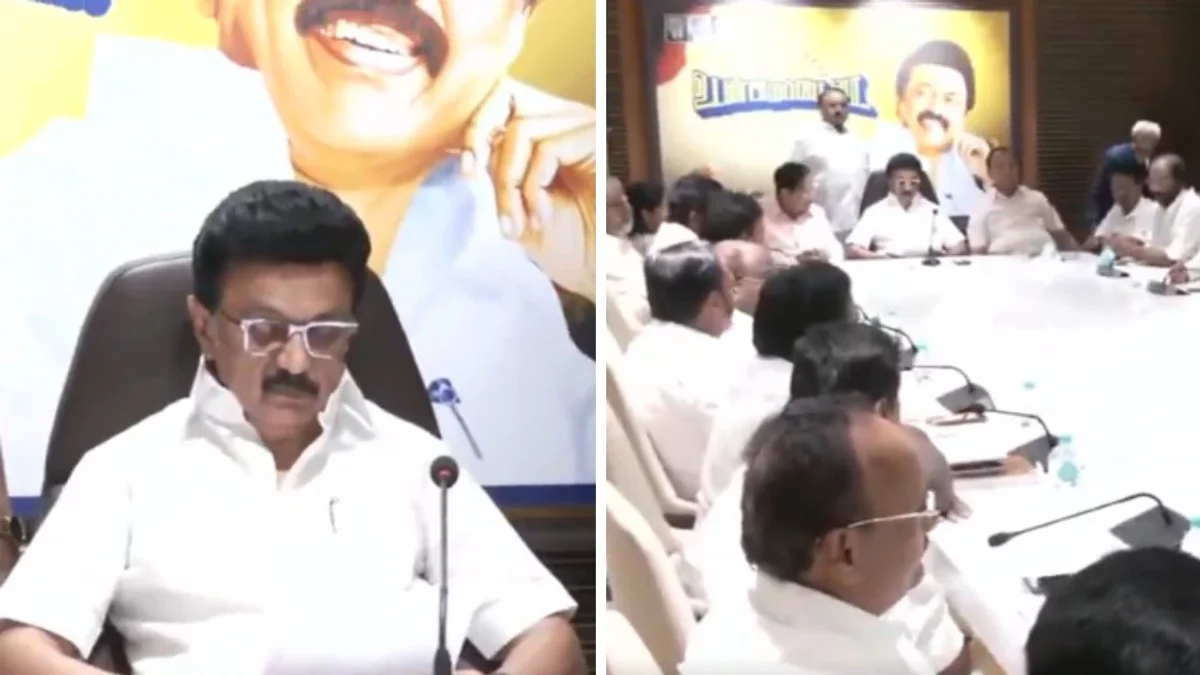
During a high-level meeting of DMK Members of Parliament at the party headquarters in Chennai, leaders expressed deep concern over the ongoing exercise. The party argued that the revision process lacks transparency and accountability, effectively stripping marginalized and rightful citizens of their fundamental democratic right to vote. The DMK leadership asserted that such arbitrary deletions undermine the very foundation of free and fair elections in the country.
Accusations of Disenfranchisement and Student Support
The DMK has strongly maintained that the SIR exercise is being manipulated to drop voters who do not align with the current political narrative. Party statements emphasize that the verification norms are overly cumbersome, leading to the exclusion of daily wage earners, rural citizens, and economically weaker sections who struggle to keep up with stringent bureaucratic demands.
In addition to demanding accountability from the top election official, the party has extended its full support to various student organizations that have taken to the streets to protest against the contentious revision. The political fallout indicates that the debate surrounding voter list verification has transformed from a routine administrative update into a major national controversy touching upon institutional integrity.
Questions Raised Over Congress Party's Stance
Amidst the growing opposition front, internal friction within alliances has also surfaced. A senior DMK parliamentarian publicly questioned the varying stance taken by the Congress party across different states. Pointing out that Congress is either in power or a partner in governments in states like Kerala, Tamil Nadu, and Karnataka, the DMK questioned whether the grand old party has thoroughly verified if similar administrative anomalies occurred in its own turf.
The DMK termed this perceived duality as a double standard, demanding that national opposition parties maintain a uniform and aggressive approach against what they term as systemic electoral discrepancies rather than tailoring their positions based on state-level political convenience.
Concerns in Jharkhand Over Mass Deletion of Votes
The controversy is not restricted to southern states alone. In Jharkhand, senior Congress leader Pradeep Yadav voiced grave apprehensions, claiming that the ongoing verification drive in the state could potentially result in the deletion of nearly 50 million names from the electoral rolls if left unchecked.
Addressing media persons, Yadav accused the authorities of attempting to favor specific political interests by disenfranchising rural and tribal populations who lack the resources to constantly defend their voter credentials. He reiterated that the opposition would continue its democratic fight to protect the constitutional rights of every legitimate citizen.
Election Commission's Upcoming Schedule and Challenges
While political sparring continues, the Election Commission has outlined its roadmap for the Special Summary Revision (SSR) across 17 states and union territories. According to the timeline, draft electoral rolls are scheduled for release, followed by a window for claims and objections, culminating in the publication of final voter lists early next year.
The poll panel maintains that these periodic updates are essential for maintaining accurate databases and incorporating eligible young voters who attain voting age. However, managing public skepticism, addressing political grievances, and ensuring seamless administrative execution remain formidable challenges for the electoral watchdog in the months ahead.