Supreme Court Hears Plea Involving Rahul Gandhi

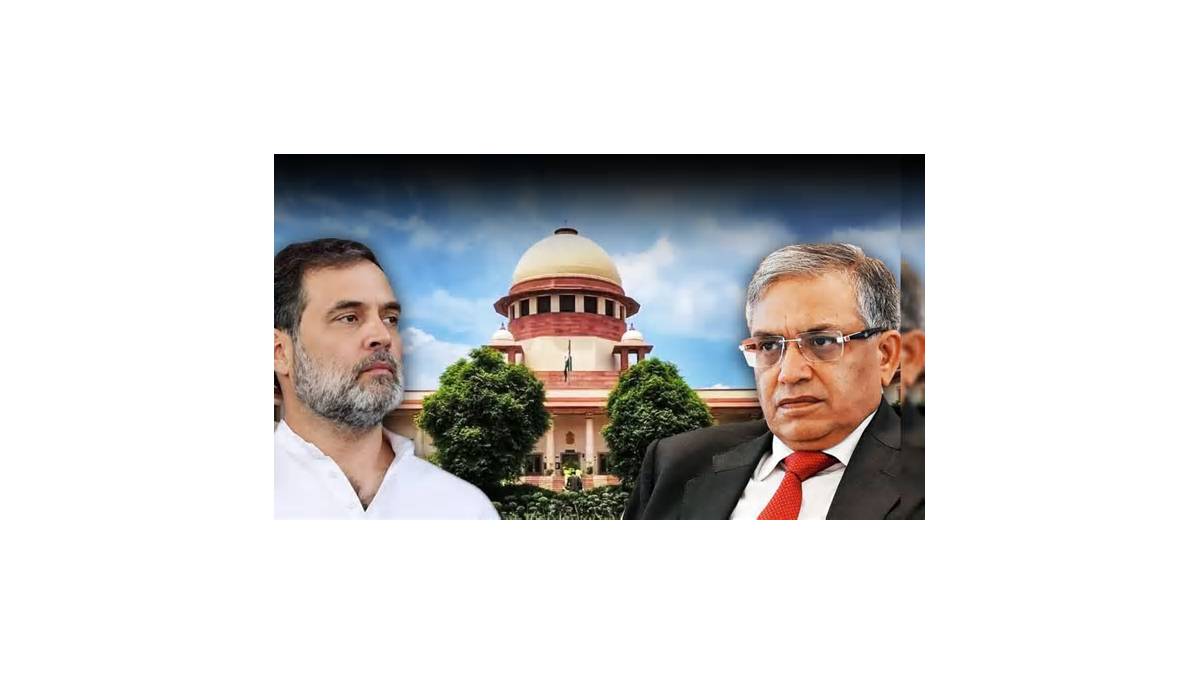
In a significant legal development, the Supreme Court of India has taken up a petition filed by senior Congress leader Rahul Gandhi. The apex court has issued an official notice to the Election Commission of India (ECI), directing them to submit a formal response regarding the matters raised in the petition.
This judicial intervention has once again brought crucial questions regarding the electoral framework and institutional transparency into sharp focus. Legal experts across the nation are closely monitoring the proceedings, as any directive from the highest court could have long-term implications for the country's democratic processes.
Detailed Response Sought from Election Commission
The bench overseeing the matter emphasized the need for a comprehensive reply from the poll body. The Election Commission is expected to address the specific grievances and arguments outlined in the petition within the stipulated judicial timeframe.
Constitutional experts point out that the response from the election watchdog will set the stage for the subsequent arguments in court. Such judicial scrutiny ensures that administrative and electoral mechanisms continue to align with constitutional principles and accountability.
Key Legal and Administrative Arguments
The petition highlights several vital concerns pertaining to transparency, fairness, and procedural adherence within the electoral system. Legal counsels representing various stakeholders are preparing to present detailed arguments as the case progresses through the judicial channels.
Political commentators observe that debates surrounding electoral reforms have consistently been at the forefront of India's democratic discourse. Judicial involvement often catalyzes necessary policy reviews and structural evaluations.
Broader Implications and Next Steps
The decision by the Supreme Court has generated widespread public interest and political discussion. As the legal teams prepare for the upcoming hearings, citizens and political observers alike await the court's observations and final determinations.
The outcomes of this high-profile legal scrutiny are anticipated to shape future dialogues on governance, accountability, and the seamless functioning of constitutional institutions in India.