
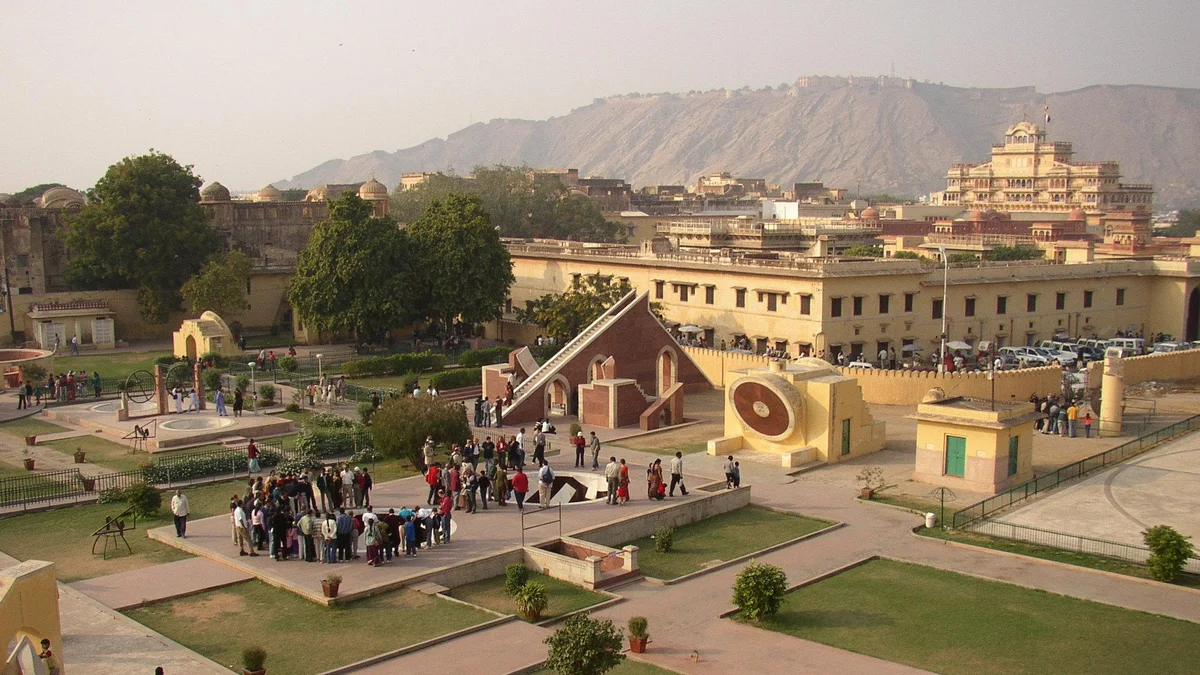
A major policy revision regarding designated public demonstration sites has triggered fresh debates in the capital. The iconic central location, which served as the nerve center for numerous social and political agitations for decades, has officially been excluded from the designated protest list. While commercial bodies have largely welcomed the move to clear congestion around prime commercial avenues, serious objections have emerged over the newly allotted alternative sites.
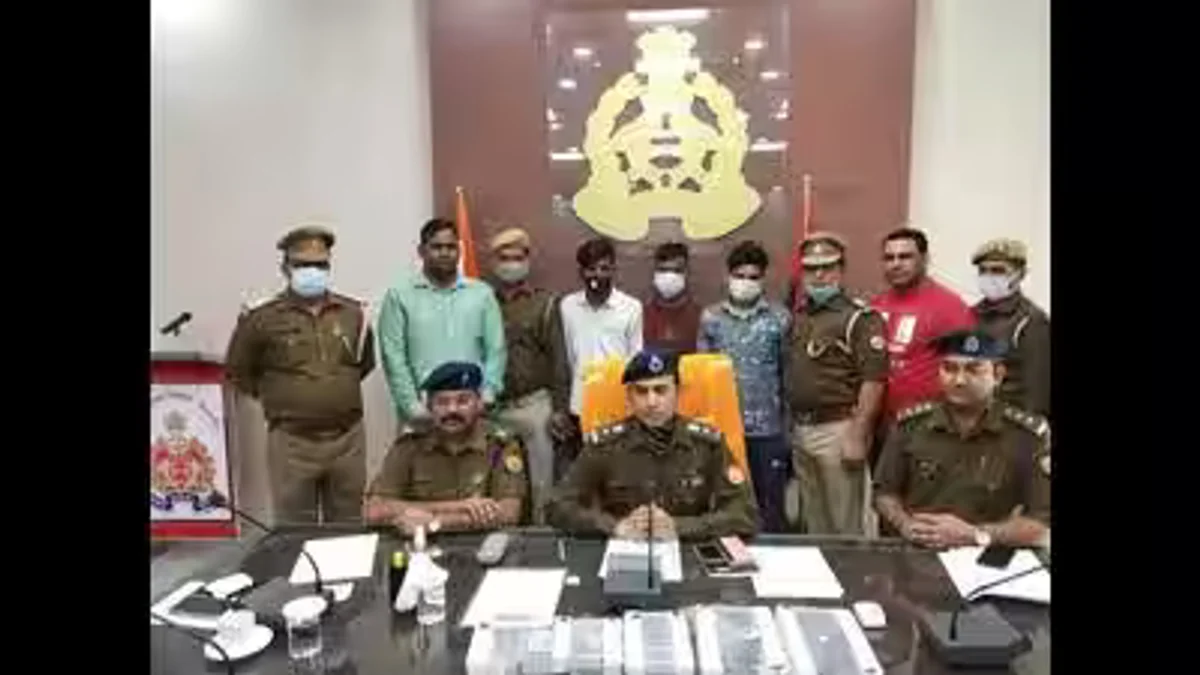
Traders Voice Apprehensions Ahead of Peak Festive Season
The Chamber of Trade and Industry (CTI), which previously petitioned authorities seeking an end to recurring blockades near central avenues, has now expressed deep reservations regarding the selection of Ramlila Maidan. Representatives emphasized that several of the nation's premier wholesale and retail trade hubs are situated right on the periphery of this designated ground.
According to business associations, commercial hubs such as Chandni Chowk, Sadar Bazar, Chawri Bazar, Khari Baoli, Bhagirath Palace, Kashmiri Gate, Paharganj, Daryaganj, Naya Bazar, and Ajmeri Gate operate within a five-kilometer radius of the venue. With festival season footfalls at their peak, widespread security cordons, barricades, and traffic curbs could paralyze regular commerce and goods transit.
Administrative Shift and Alternative Grounds
Following assessments by a high-level Union Home Ministry committee, law enforcement authorities issued orders officially updating protest venues on security grounds. The revised framework reallocated public gatherings across three specific zones:
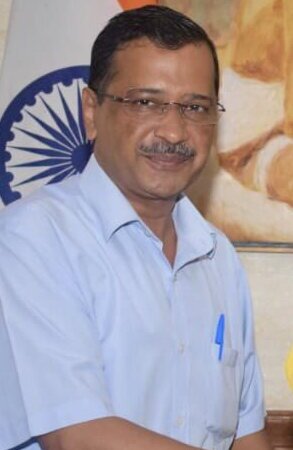
- Ramlila Maidan in Central Delhi
- Burari Grounds in North Delhi
- CBD Ground in East Delhi
While the administration cited security and seamless governance as key factors behind vacating the Lutyens zone, protest organizers face logistical hurdles as well. Commercial bookings at Ramlila Maidan remain heavily backlogged for the coming months, while event fees and applicable taxes run over a lakh rupees, posing challenges for smaller civic groups.
Need for a Pragmatic Balance
Trade bodies have urged civic and police administrators to formulate guidelines that safeguard both democratic expression and uninterrupted commercial activity. They contend that heavily populated, high-density market zones should be shielded from mass rallies to prevent severe economic disruption. Stakeholders are now awaiting the administration's response to these emerging trade concerns.
The Freelance does not independently verify the claims circulating on social media regarding this issue. This development remains a subject of widespread public and online discussion. Courtesy: Respective official handles and organizations.

States & Regional Bureau, The Freelance
Verified Editorial DeskState Affairs & Grassroots Reporting Bureau
Delivering verified, on-the-ground reporting on state governance, regional development, grassroots public challenges, and local administrative reforms across India. We are committed to unbiased, factual journalism based on verified agencies, official statements, and on-the-ground correspondents.