
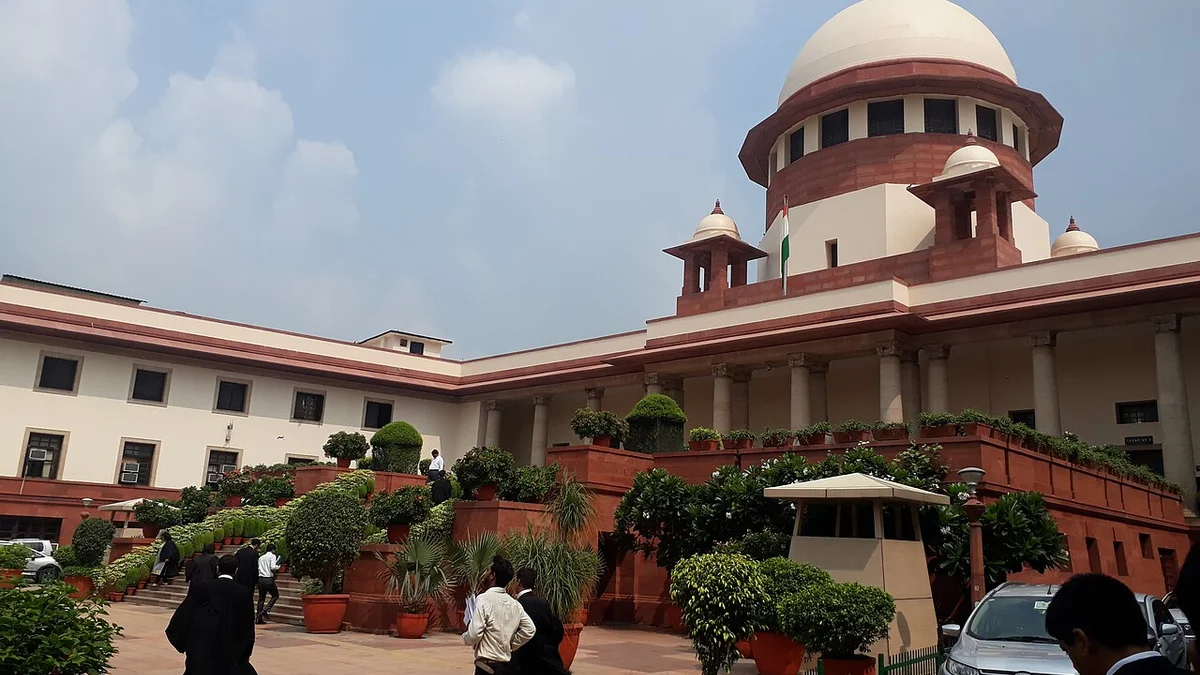
In connection with the contempt case related to the closure of metro stations, blocking of roads, and detaining of individuals in the national capital, both the Delhi Metro Rail Corporation (DMRC) and Delhi Police have filed formal affidavits in the Supreme Court.
DMRC Stand: 45 Out of 303 Stations Closed, Interchange Active
According to the affidavit filed by the DMRC Chairperson, entry and exit gates were closed at only 45 out of the total 303 metro stations on the Saturday in question. However, the corporation emphasized that interchange facilities remained operational across all stations, and alternative nearby stations were kept open to facilitate passenger movement.
Passenger Footfall Drops by Nearly 50 Percent
DMRC acknowledged that metro ridership plummeted to around 3.2 million (32 lakh) on that Saturday, compared to the usual weekend average of approximately 5.8 million (58 lakh) commuters. The corporation attributed this sharp decline to ongoing protests, which led many citizens to voluntarily avoid travel, daily commutes, and commercial activities.

Delhi Police Submits Details on Containment Measures
Meanwhile, Delhi Police stated in its affidavit that no individual was detained under Section 65 of the Police Act outside the officially notified restricted zones. The police explained that the notification under Section 163 encompasses several areas extending beyond the jurisdiction of the Jantar Mantar police station. Authorities added that barricading strategies are continuously reviewed to ensure smooth public mobility wherever possible.
This report is compiled based on official legal filings, court updates, and verified news updates. 'The Freelance' maintains journalistic neutrality in reporting judicial and administrative proceedings. Source: Official court records and agency inputs.



States & Regional Bureau, The Freelance
Verified Editorial DeskState Affairs & Grassroots Reporting Bureau
Delivering verified, on-the-ground reporting on state governance, regional development, grassroots public challenges, and local administrative reforms across India. We are committed to unbiased, factual journalism based on verified agencies, official statements, and on-the-ground correspondents.