
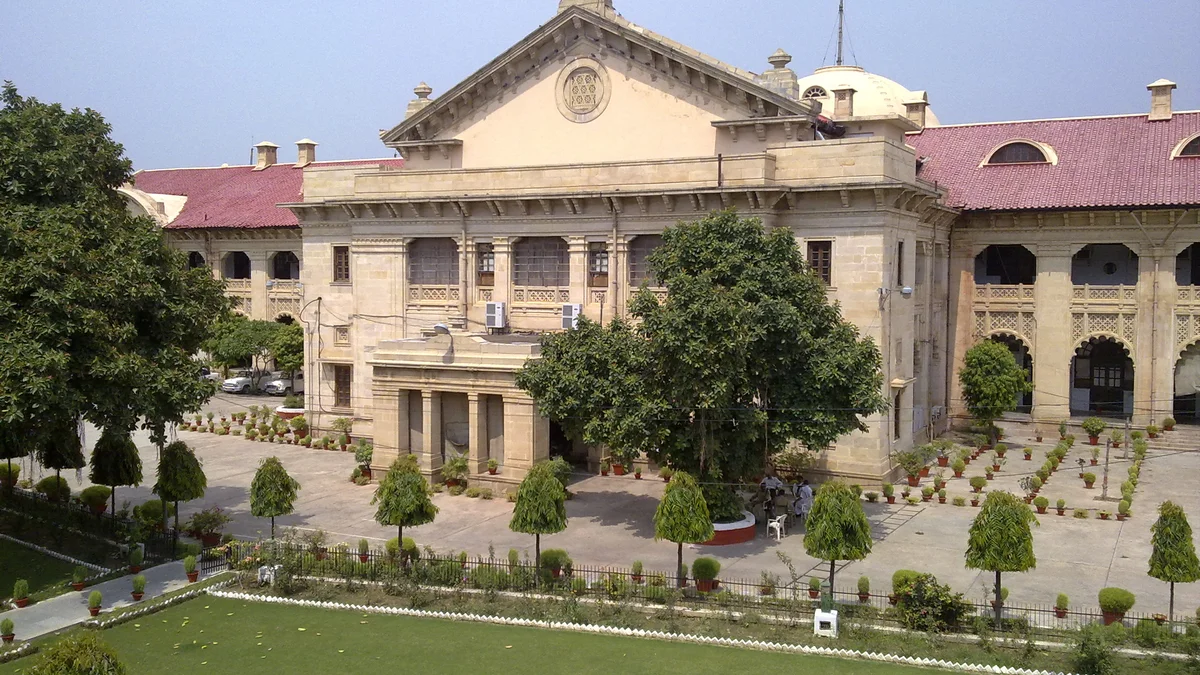
In a significant legal development regarding the high-profile Mathura Shri Krishna Janmabhoomi and Shahi Idgah mosque dispute, the Allahabad High Court conducted a marathon hearing lasting over two hours on Tuesday. The court heard original suits numbered 1 through 7 during the proceedings. However, due to time constraints, arguments on several other pending applications could not be completed, prompting the court to schedule the next hearing for November 20.
Single Bench Prepares for In-Depth Legal Scrutiny
The proceedings are being heard by a single bench of Justice Avnish Saxena of the Allahabad High Court. A total of 18 petitions related to the Krishna Janmabhoomi dispute, including the foundational original suit 1/2023, are currently under judicial review. Hearings on these petitions have been actively proceeding since October 2023, drawing substantial public and legal attention.
Core Demands Involve Entire 13.37 Acres of Land
The petitioners representing the Hindu side have termed the Shahi Idgah mosque structure as an encroachment and demanded that the entire 13.37-acre land of the disputed complex be handed over to the Shri Krishna Janmabhoomi Trust. Additionally, the suits demand the restoration and renovation of the temple along with a permanent injunction. Following the precedents set in major historical land disputes, the High Court is directly overseeing these consolidated matters.
Awaiting the Next Judicial Milestone
As the legal battle intensifies, all eyes are now set on November 20, when the court will resume its hearings on the remaining applications and chart out the further course of the trial. The outcome of these proceedings remains a subject of intense national interest.
This report is based on judicial updates and public legal proceedings regarding the Mathura dispute. 'The Freelance' maintains strict neutrality in reporting ongoing court cases and legal updates.

States & Regional Bureau, The Freelance
Verified Editorial DeskState Affairs & Grassroots Reporting Bureau
Delivering verified, on-the-ground reporting on state governance, regional development, grassroots public challenges, and local administrative reforms across India. We are committed to unbiased, factual journalism based on verified agencies, official statements, and on-the-ground correspondents.