
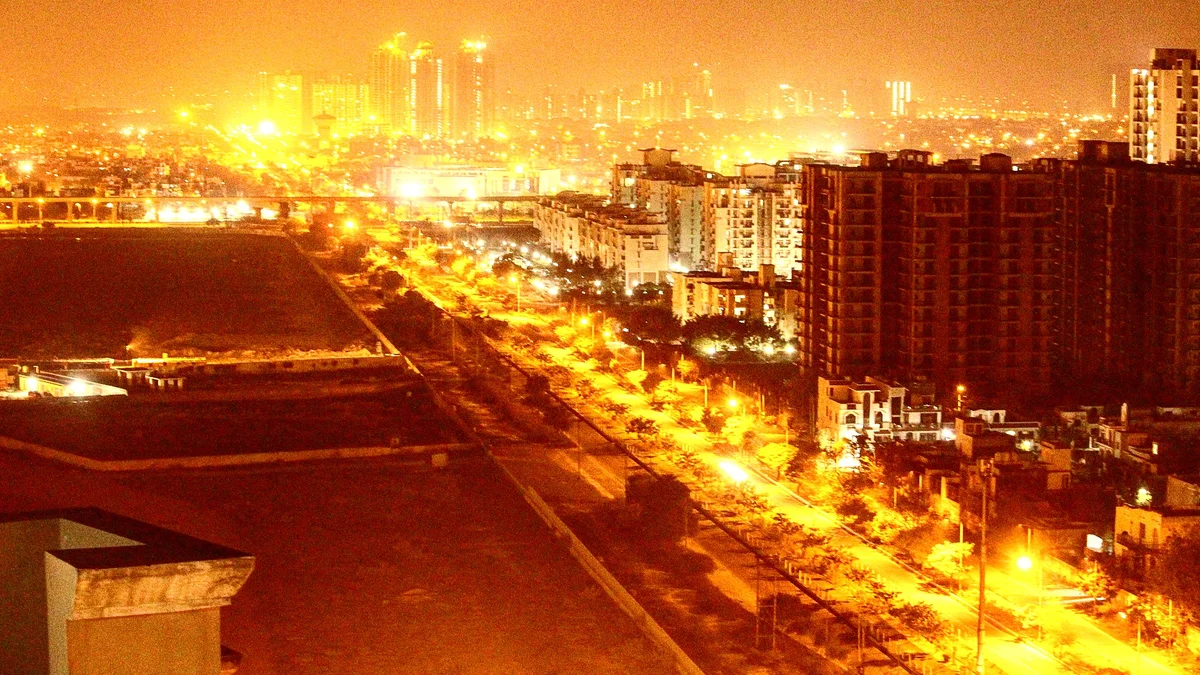
With the next assembly elections on the horizon in Uttar Pradesh, political equations are once again revolving heavily around Other Backward Classes (OBCs), particularly the Kurmi community. As the second-largest demographic block among OBCs after the Yadavs, the Kurmis hold immense electoral weight, prompting major political forces including the BJP, Samajwadi Party, and Congress to intensify their outreach.
Demographic Spread and Regional Identity
Accounting for roughly 6 to 7 percent of Uttar Pradesh's total population, the Kurmi and Sainthwar communities are identified by various surnames depending on the region. In Rohilkhand, they are predominantly known as Gangwar and Verma, while in the Kanpur-Bundelkhand belt, they use surnames like Patel, Katiyar, Niranjan, and Sachan. In Awadh and Western UP, they are commonly identified as Verma, Chaudhary, and Patel.
The community holds influence across 25 districts, with a concentration of over 12 percent in at least 16 districts such as Maharajगंज, Kushinagar, Mirzapur, Fatehpur, Pratapgarh, and Barabanki. Across nearly 50 to 60 assembly constituencies, Kurmi voters remain strong enough to either make or break electoral prospects for any political party.
Regional Leaders and Representation
Unlike monolithic voting blocks, the Kurmi community relies on regional satraps across different zones. From Union ministers and state party chiefs to regional leaders in the Samajwadi Party and Apna Dal, political parties leverage these figures to secure their support base. In the current political landscape, the community boasts substantial representation in both the legislative assembly and Parliament, highlighting their growing political assertion in the state.
'The Freelance' does not independently verify the claims made in viral social media reports regarding political equations. Content featured here serves analytical and informational purposes. Video/Media Credits: Respective Social Media Creators / Handles.


States & Regional Bureau, The Freelance
Verified Editorial DeskState Affairs & Grassroots Reporting Bureau
Delivering verified, on-the-ground reporting on state governance, regional development, grassroots public challenges, and local administrative reforms across India. We are committed to unbiased, factual journalism based on verified agencies, official statements, and on-the-ground correspondents.