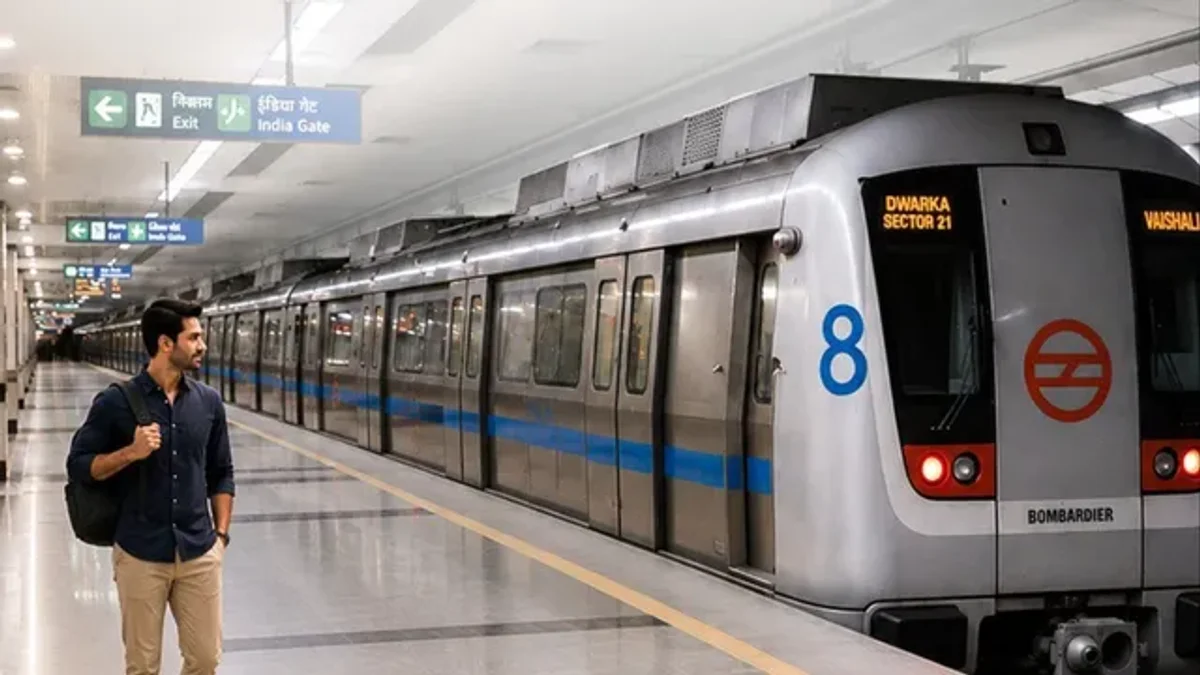
Political tensions and large-scale protests in the national capital have significantly disrupted daily commuting, prompting security agencies to enforce strict restrictions across multiple key zones. Following strict security directives, the Delhi Metro Rail Corporation (DMRC) temporarily suspended entry and exit operations at several prominent metro stations located in high-security central districts.
Critical Stations Under Lockdown Due to Protests
The restrictions primarily target crucial transit hubs in central Delhi, including Rajiv Chowk, Patel Chowk, Janpath, Mandi House, Central Secretariat, and Barakhamba Road. These measures were implemented as precautionary protocols to manage planned political marches and demonstrations organised by opposition parties and coalition groups. Authorities have invoked restrictive legal provisions under BNSS Section 163 to maintain public order and prevent potential escalations.
Despite the closure of gates for entry and exit, metro authorities confirmed that interchange facilities at these affected stations remain fully operational. This ensures that commuters can still switch train lines, although overall transit efficiency through central Delhi has experienced notable delays.
Political Marches and Intensified Security Deployment
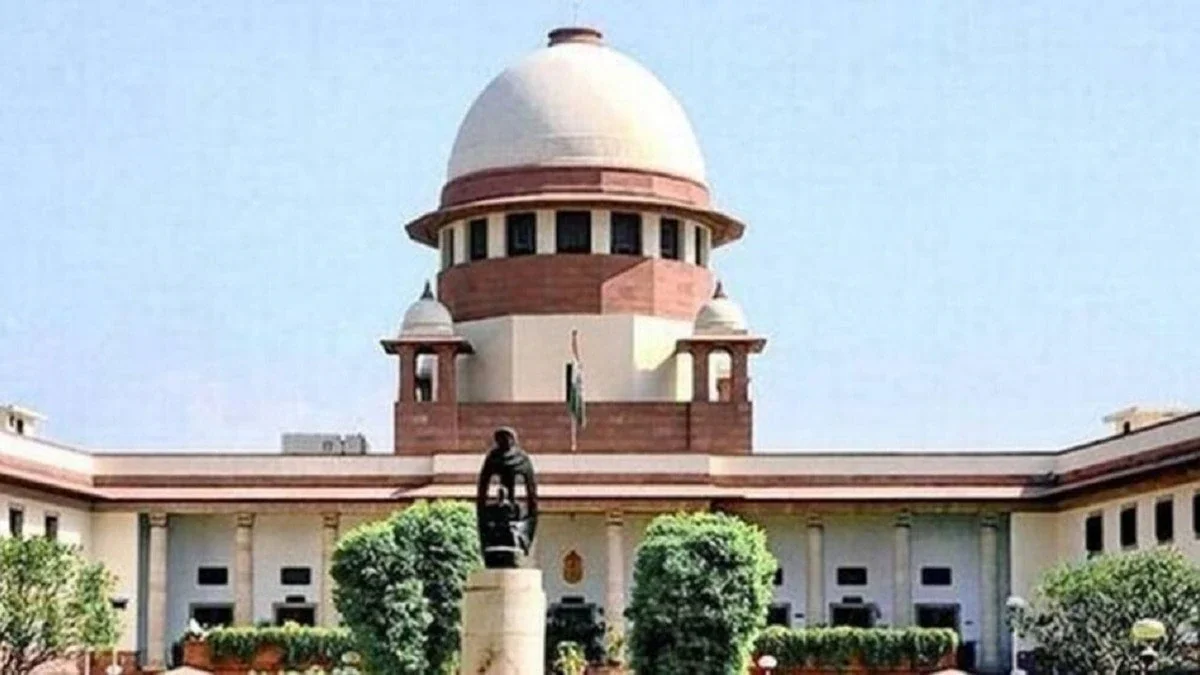
The heightened security protocols stem from announced demonstrations led by opposition leaders demanding administrative accountability and changes within election management bodies. Rallies planned towards the Supreme Court prompted heavy barricading by the police across borders and strategic intersections throughout the city, leading to significant traffic congestions.
While political figures criticize the restrictions as an infringement on peaceful assembly and democratic expression, law enforcement officials maintain that these steps are essential to safeguard public safety and prevent large-scale disruptions.
Judicial Scrutiny Over Restrictions
The restrictions and associated enforcement actions have also drawn legal attention, with petitions filed before the Supreme Court challenging administrative orders and transit shutdowns. Legal counsels representing affected groups raised concerns regarding public movement restrictions and communication limitations during the demonstrations, prompting judicial review.